
Last updated November 16, 2026
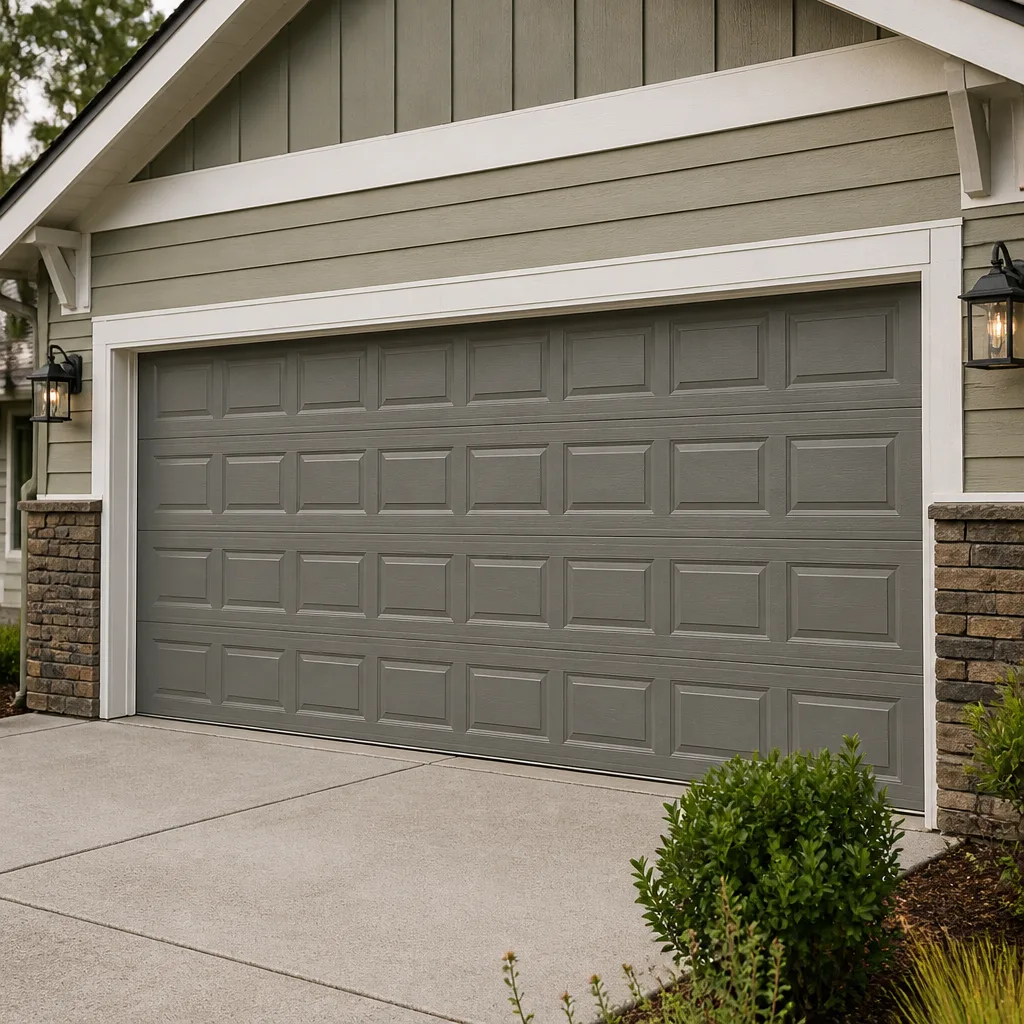 Raised-panel steel
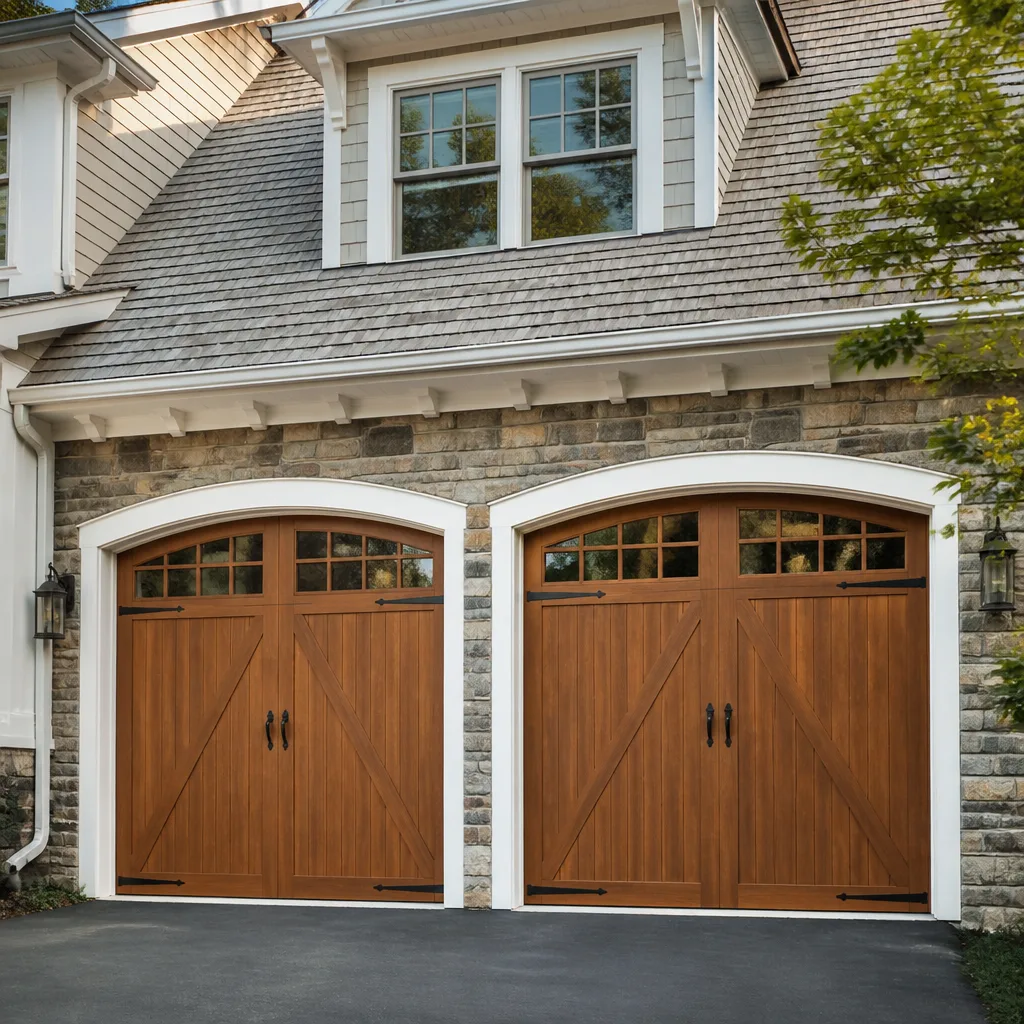 Carriage house
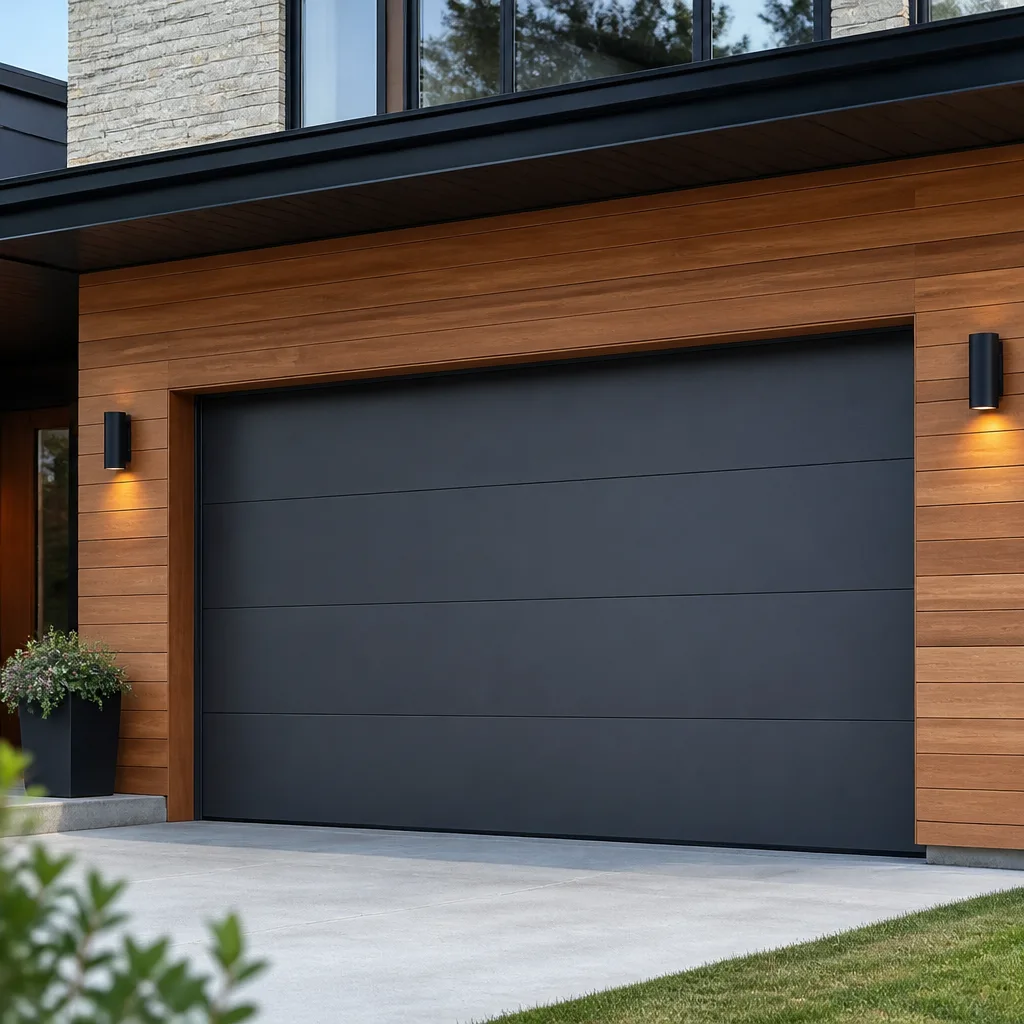 Modern flush
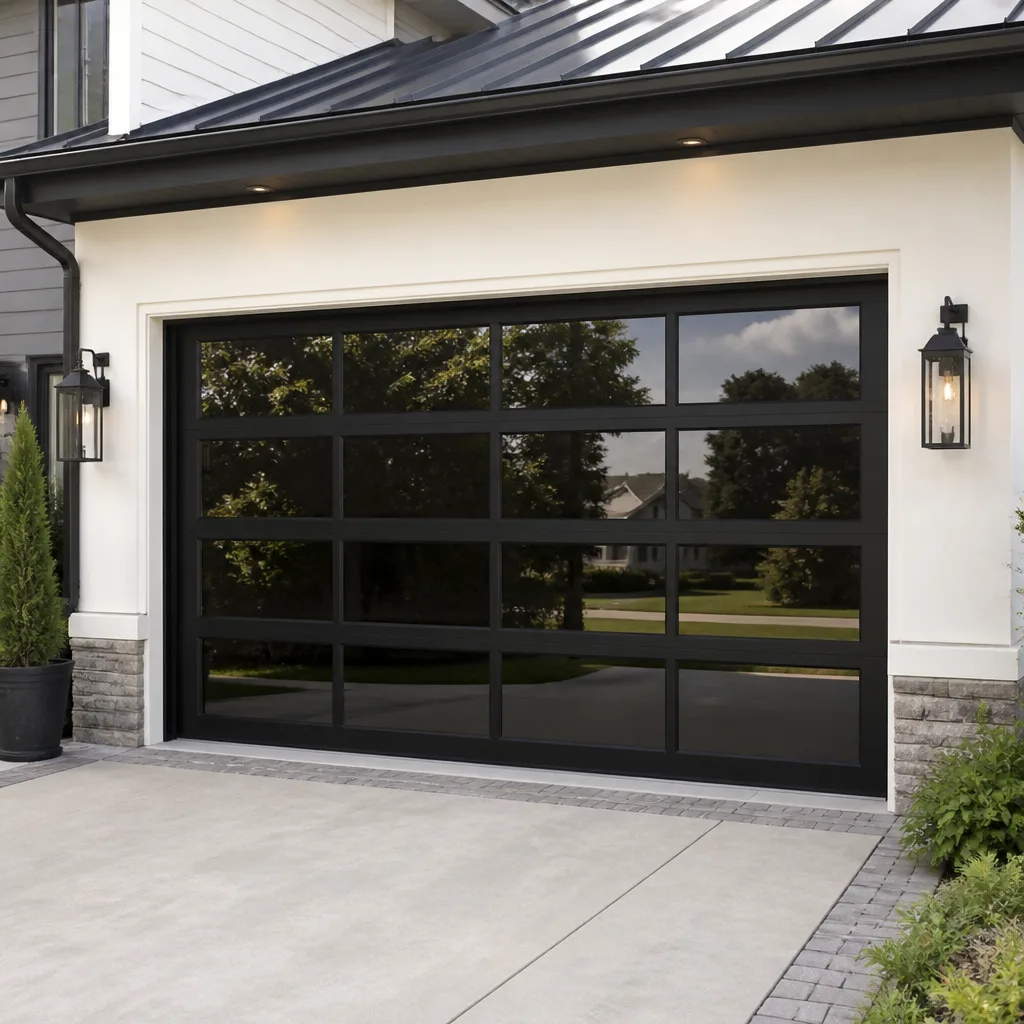 Full-view glass
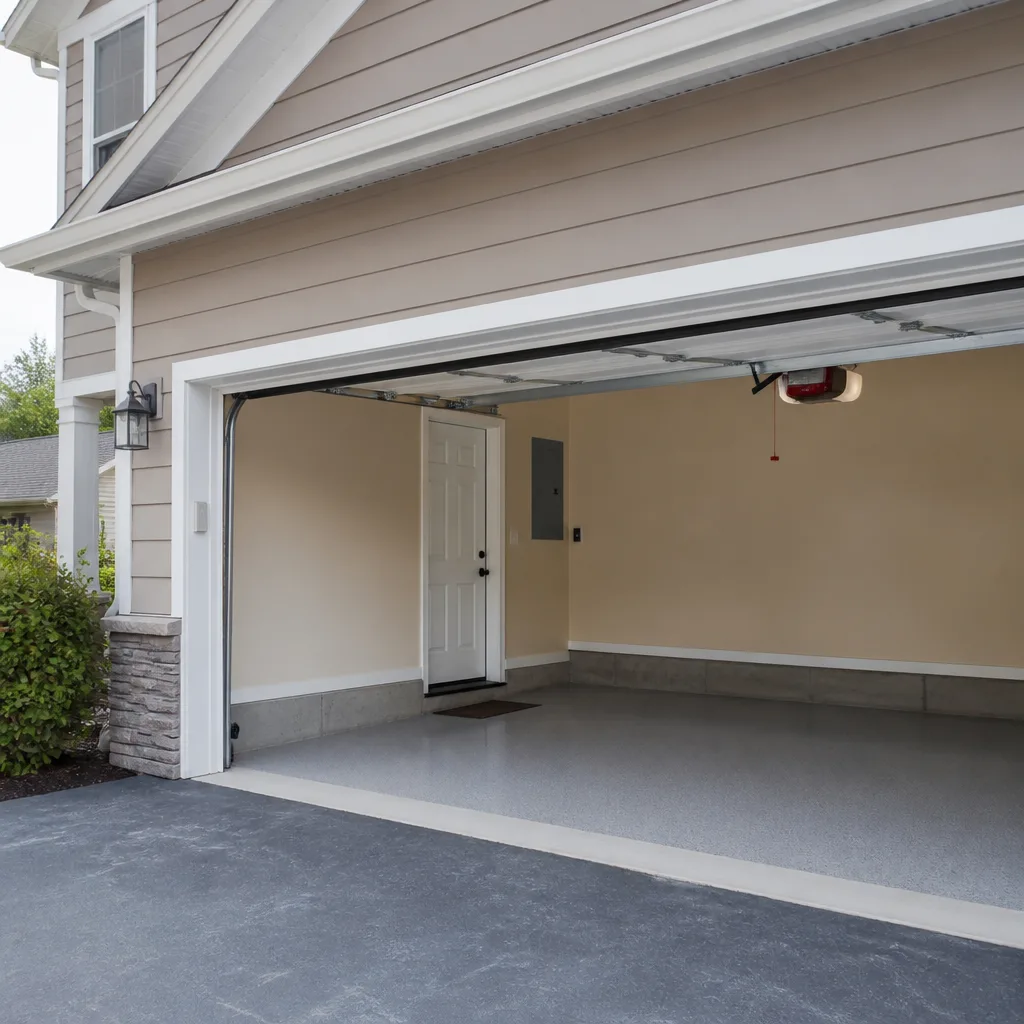 LiftMaster openers
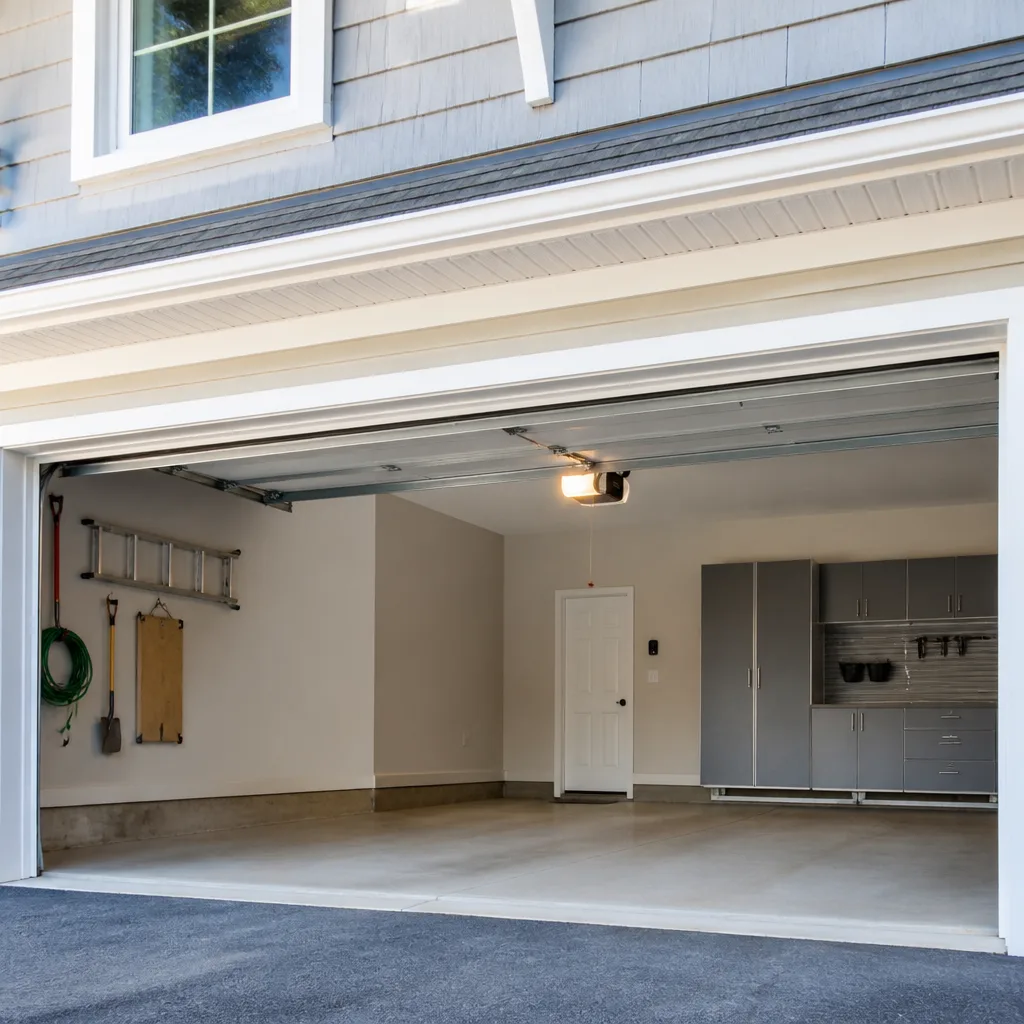 Chamberlain openers
Full 25-point door and opener safety check with every visit - springs, cables, rollers, tracks, and your LiftMaster or Chamberlain opener included
You get a price before we start. It does not change when the pro arrives.
Get your free estimateHow to Hire a Garage Door Contractor in Paradise: A Step-by-Step Guide
Here’s the part most homeowners get backwards: the cheapest quote isn’t the one that saves you money, and the fastest one isn’t the one that protects you. In Paradise, the biggest garage door risk isn’t a bad spring. It’s hiring someone who treats a door like a fence job and charges you specialist prices for guesswork. This guide walks you through vetting a contractor the way the trade itself does – license first, questions second, estimate third – and shows you exactly where generalist quotes go sideways. You’ll leave knowing how to read an estimate, what a real warranty looks like in writing, and why three quotes on a spring can make the price worse, not better.
Quick Answer
To hire a garage door contractor in Paradise, verify the Nevada contractor license and its classification first, then screen the company with a handful of trade-specific questions about torsion springs, opener diagnostics, and brand support. Ask for a written, line-item estimate with parts and labor separated, confirm the warranty terms on paper, and benchmark the price against what a specialist charges rather than what a general handyman quotes. A garage door spring replacement from a specialist runs roughly $150 to $350.
Styles & brands we work with
- Raised-panel steel
- Carriage house
- Modern flush
- Full-view glass
- LiftMaster openers
- Chamberlain openers
Table of Contents
- Why Garage Door Work Needs a Specialist, Not a Handyman
- Nevada Licensing: The Lookup and the Classification to Verify
- The Five Questions That Separate a Specialist From a Generalist
- How to Read a Garage Door Estimate Line by Line
- What a Real Warranty on Parts and Labor Looks Like in Writing
- Why Three Quotes on Spring or Cable Work Often Backfires
- Desert Climate and Paradise Homes: What It Means for Your Door
- Brand Support: Will They Work on the Door You Already Have?
Why Garage Door Work Needs a Specialist, Not a Handyman
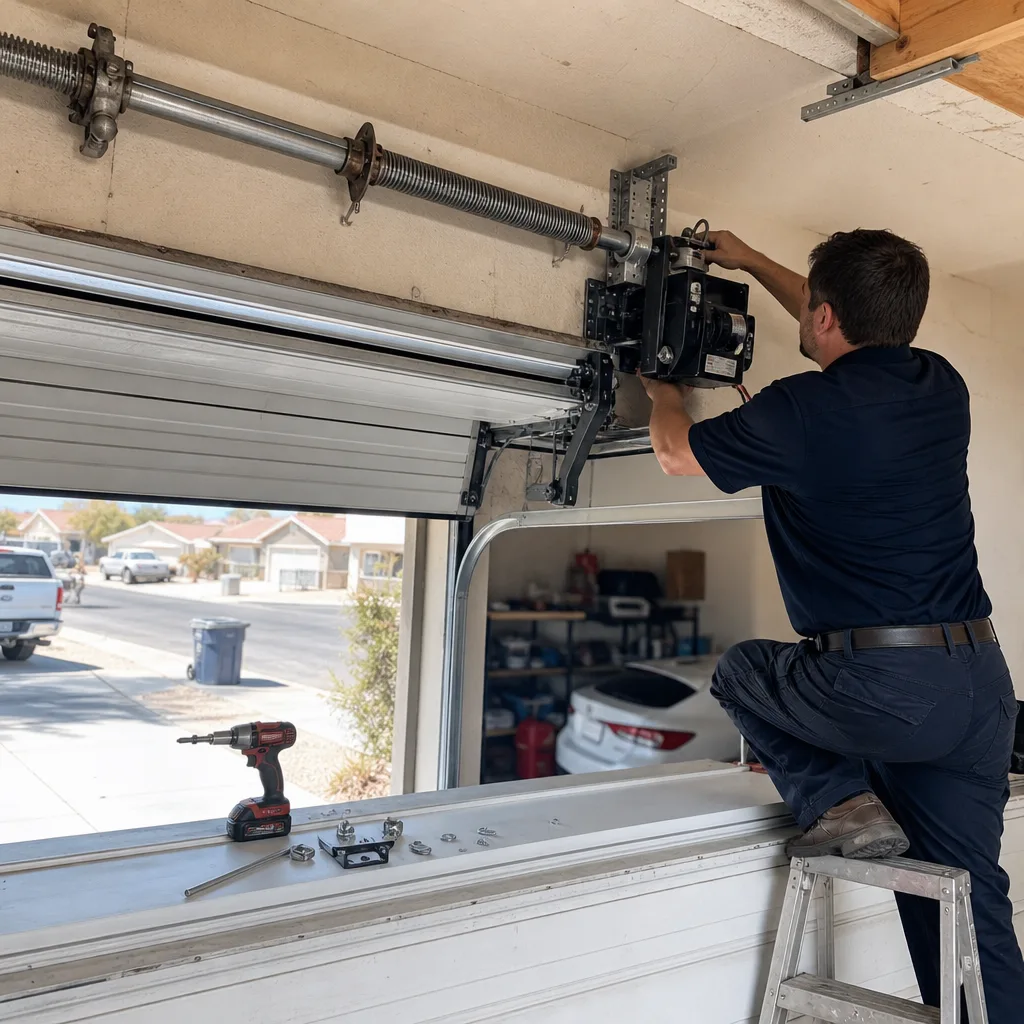
A garage door is a balanced mechanical system under serious spring tension, and repair work sits at the intersection of mechanical adjustment and electronics. That’s not the same skill set as hanging drywall or resetting a toilet. When a generalist takes the job, they’re charging for confidence they don’t have, and you’re the one absorbing the risk.
The gap shows up in three predictable places:
- Diagnosis. A specialist can tell within minutes whether a door is out of balance, a spring is fatigued, or a limit switch on the opener is the real fault. A generalist often guesses, replaces a part, and the door still sticks.
- Opener electronics. Modern openers have logic boards, travel modules, safety sensors, and force settings. Diagnosing an opener fault isn’t carpentry. It’s electronics work on a specific family of equipment.
- Brand familiarity. A technician who works on the same eight brands every week knows the failure patterns. On a Raynor or a LiftMaster, they’ve seen the same latch and limit issues enough times to head off a call-back.
At Belmont Garage Door Service, garage doors are all we do. Repair, opener repair, and new installation are the whole scope, which means the diagnostic process isn’t squeezed between plumbing calls. Repair first, replace only when it makes sense – that’s the stance a specialist can afford to take. A generalist often can’t, because a second trip out to your Paradise home is a lost half-day for them.
Nevada Licensing: The Lookup and the Classification to Verify
Nevada is one of the stricter states for contractor licensing, and the classification system matters for garage door work specifically. Before anyone touches your door, look them up in the state database and confirm the license is active and classified for the work you’re hiring for.
Here’s the process, in order:
- Ask for the license number in writing. Not “we’re licensed” – the number. A legitimate contractor will hand it over without hesitation.
- Look it up with the Nevada State Contractors Board. Verify the name matches the company, the status is active, and the classification covers garage door installation or repair work.
- Confirm classification. Garage doors are typically installed and repaired under a general building or a specialty classification, depending on the scope. If you’re unsure which applies, ask the contractor to explain which classification they hold and why it covers your job.
- Check for insurance and bonding on the record. The board listing should show the bond and insurance on file. If the company can’t point you to that, keep looking.
Why does this matter more for garage door work than for other trades? Because a torsion spring replacement involves stored energy that can hurt someone badly if it’s handled wrong, and an improperly installed door that comes off its track is a safety problem for everyone in the house. A licensed, insured contractor carries the responsibility for that work. An unlicensed one walks away from it.
If you’re hiring for a bigger job – a full replacement or new opener – you can also ask the city’s building department whether the scope requires a permit and who pulls it. Most cities require a permit for structural or electrical changes, so a quick call settles it.
The Five Questions That Separate a Specialist From a Generalist
You can’t spot a specialist by their website. You spot them in a five-minute phone conversation. These are the questions that cut through the marketing and reveal whether the person on the other end actually works on doors.
- “Do you work on the brand I already have?” Give them yours – say it’s a Genie opener and a Clopay door. A specialist answers immediately. A generalist says “we can look at anything” and hopes for the best.
- “How do you decide between repairing an opener and replacing it?” A specialist has a decision framework. A generalist defaults to replacement because it’s cleaner for them.
- “Can you diagnose both a mechanical door problem and an opener fault in one visit?” Many door problems are actually opener problems and vice versa. A company that can only handle one half of that is going to hand you off mid-job.
- “What’s your process for a torsion spring replacement, and how do you confirm the door is balanced afterward?” A specialist describes a balance test without prompting. Silence, or a vague answer, is your cue to keep calling.
- “What does your warranty cover – parts, labor, or both – and can I see it in writing?” A real answer has numbers and terms. A bad answer is “we stand behind our work.”
Five questions, five minutes. If a company answers all five cleanly, you’re talking to someone whose whole week looks like your job. If they stumble on three or more, you’re paying specialist rates for generalist guesswork.
How to Read a Garage Door Estimate Line by Line
A written estimate is where a bad contractor makes their money, and where a good one shows their work. When you get a quote in Paradise on a door repair, read it like a contract, because it is one.
What a clean estimate includes:
- Parts, itemized by name and count. “Torsion spring, one” or “pair, matched” – not “springs and hardware.”
- Labor, separated from parts. Bundled “all-in” pricing hides padding.
- Model or spec for any opener or hardware. You should be able to look up what you’re paying for.
- A clear statement of what the price covers and what it doesn’t. Extra trips, disposal of the old door, and any track or panel work should be spelled out.
- The final number written in words and digits, with the signed agreement.
Vague line items to treat as red flags: “door tune-up,” “adjustment and lubrication,” “spring replacement – full assembly,” “miscellaneous hardware,” and any line that quotes a price with no unit count. On a spring job specifically, check whether the quote is for one spring or a matched pair. A pair is usually replaced together, so a pair priced at roughly twice the single-spring rate is normal – a pair priced identically to one spring is not. A typical single-spring replacement is $150 to $350 with a specialist; a matched pair is priced accordingly.
The estimate you sign should set your final price. Ask the contractor directly: “Is this the number I pay, or do I get a new number once you’re on site?” If they can’t say yes first, the written quote isn’t worth much.
What a Real Warranty on Parts and Labor Looks Like in Writing
Verbal warranties are decoration. The only warranty that exists is the one in the estimate or a separate signed document, and it should state four things: what’s covered, for how long, on what terms, and who honors it.
Separate the parts from the labor. They’re different warranties with different durations and different holders.
- Parts warranty. Usually comes from the manufacturer, sometimes with a standalone registration card or sheet. Ask which products carry it, and whether the contractor registers it for you or hands it off.
- Labor warranty. Comes from the contractor, not the manufacturer. It’s the one that matters when the door starts misbehaving again a few weeks after a repair. Ask for the duration and the conditions.
- Exclusions. Locks that seize, panels damaged by impact, opener failures caused by a power surge or a chewed wire – these are usually not covered. The estimate should tell you that in advance.
Two rules. First, if the warranty isn’t written down, don’t count on it. “We’ll take care of you if anything goes wrong” is a customer service intention, not an enforceable term. Second, get the warranty on the same document as the price. The warranty and the estimate sit together – a company that’s careful about one tends to be careful about the other.
Ask about the warranty before you sign. The response tells you a lot about how much they trust their own work.
Why Three Quotes on Spring or Cable Work Often Backfires
The three-quote rule sounds responsible, and for a full door replacement it usually is. On a spring or cable job, it backfires for a simple reason: three quotes don’t tell you what the job is worth, they tell you what three companies happen to charge. Nothing in a three-quote process tells you which of them is doing it right.
The gap between a specialist and a generalist on a spring job can be large. A specialist typically charges $150 to $350 for a single spring replacement. A generalist working through a home services app can be two or three times that – not because the parts cost more, but because nobody’s stopping them. Three quotes doesn’t reveal that. It just shows you three prices with no context for which is fair.
Here’s the approach that actually benchmarks the number:
- Get the specific scope in writing first. “Single torsion spring, matched pair, high-cycle option” – the exact part count.
- Call a specialist and ask for one free estimate. A trade-focused company will price the specific job without pressure.
- Compare specialists to specialists, not specialists to generalists. Get two quotes from garage door companies, not one door company and two handymen.
- Focus on the stated final price, not the cheapest one. The lowest number from the least qualified bidder is the most expensive outcome if the door fails again.
Repair first, replace only when it makes sense. The company that tells you that about your own door is the one whose price you can trust. The one that recommends a full replacement on a spring call is the one to hang up on.
Desert Climate and Paradise Homes: What It Means for Your Door
Paradise is desert, and desert weather touches your garage door more than you’d think. The temperature swings here are hard on the door’s moving parts and the electronics on the opener, and the dust does its own quiet work.
What this means in practice for a Paradise home:
- Thermal cycling on springs. Springs expand and contract with the day-night temperature swing. Over time, that’s how a spring fatigues. A door that went from fine to failing in a week is often a spring that finally gave out from years of cycling, not a defective part.
- Dust and grit. The dry air and dust here wear on the rollers, hinges, and the opener’s drive mechanism. Lubrication schedules matter more, not less.
- Sun on the door face. A door on a west-facing wall takes the brunt of the afternoon heat. Fading, warping panels, and paint failure are common on that side. A quality door material and finish matter in Paradise more than in milder climates.
- Wildlife and debris. The desert pushes critters and debris into the opener’s path. An opener that goes up but not down is often a safety sensor that’s blocked, not a failed board.
When you hire a contractor in Paradise, ask a climate question: “What do you see most often on doors in this area?” A specialist has an answer. The answer tells you they’ve actually worked the local market, and not just read the manual on the way out.
Brand Support: Will They Work on the Door You Already Have?
Most homes in Paradise already have a door. The question isn’t what they install, it’s what they service. A garage door contractor whose brand roster stops at one or two names will tell you “we don’t service that brand,” and you’re back to square one.
Belmont Garage Door Service works on the brand you already have. The roster covers eight of the most widely installed residential names – LiftMaster, Chamberlain, Genie, Clopay, Amarr, Wayne Dalton, Craftsman, and Raynor – which means whether your home has an older Craftsman opener or a modern Chamberlain smart unit, you’re not stuck with a dead end. That range also covers both premium panel brands and the widely distributed consumer lines most homes are actually built with.
Ask the question in the estimate stage, not after the failure. When you call, name your door and your opener. A specialist confirms coverage in the first sentence. If the answer is “we’ll see what we can do,” the answer is no.
Common Mistakes to Avoid
- Hiring a handyman for spring or cable work. This is the most expensive mistake on this list. The stored energy in a torsion spring can injure someone badly if it’s handled wrong. Hire a trained specialist.
- Not checking the license number. “We’re licensed” is not the same as an active license in the state database. Look it up yourself. It takes two minutes.
- Accepting a verbal warranty. If the warranty isn’t printed on the estimate or a signed sheet, it doesn’t exist. Ask for it before work starts.
- Comparing prices across the wrong trade. A specialist’s $150 to $350 for a spring and a generalist’s higher bid are not comparable. Compare specialist to specialist.
- Ignoring the balance test after a repair. A door that’s not balanced will fail again, fast. Ask the technician to demonstrate that the door stays put at the halfway point before they leave your Paradise home.
- Letting the estimate stay vague. If the line items say “door tune-up” or “spring assembly,” ask for a count and a name. Vague pricing is where the padding lives.
- Replacing the whole door when a repair makes sense. Many openers and doors that get quoted for replacement only need a part. Get a second opinion from a specialist before you commit to a replacement.
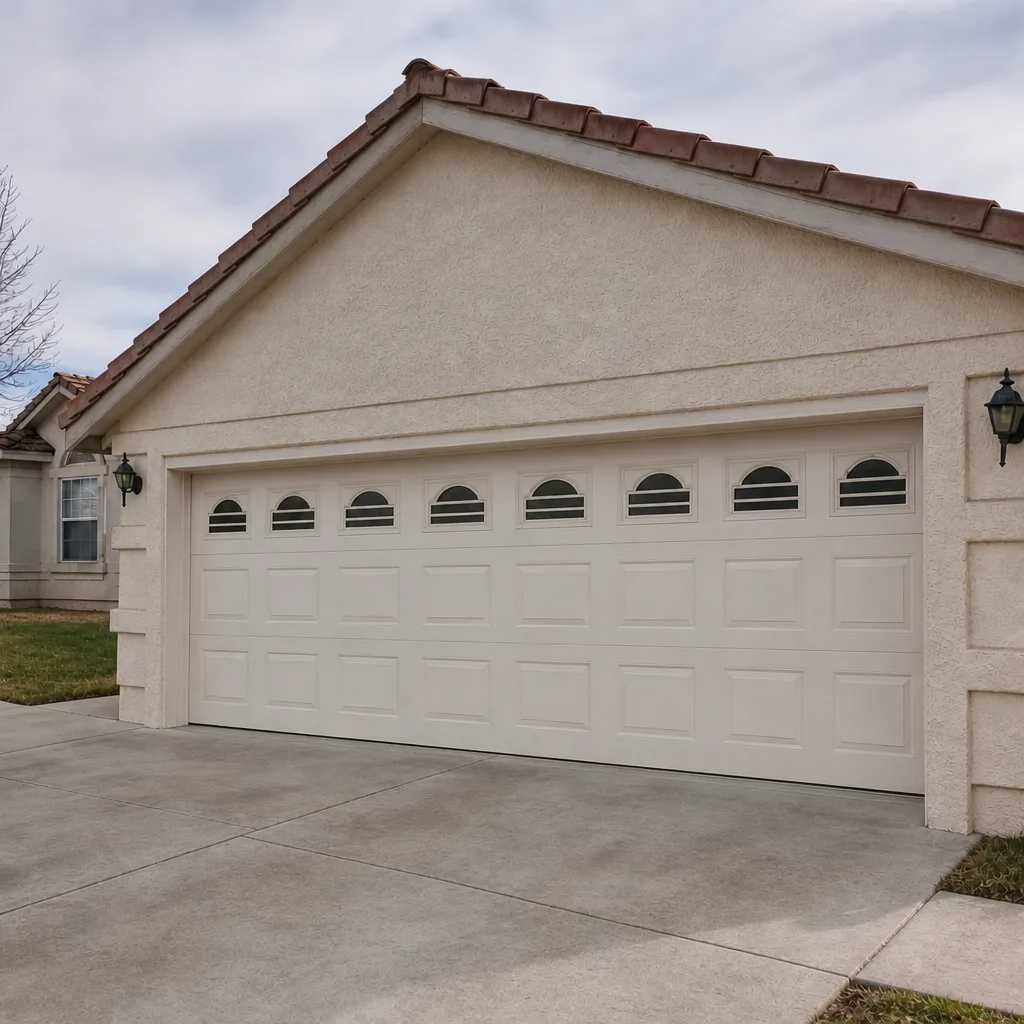
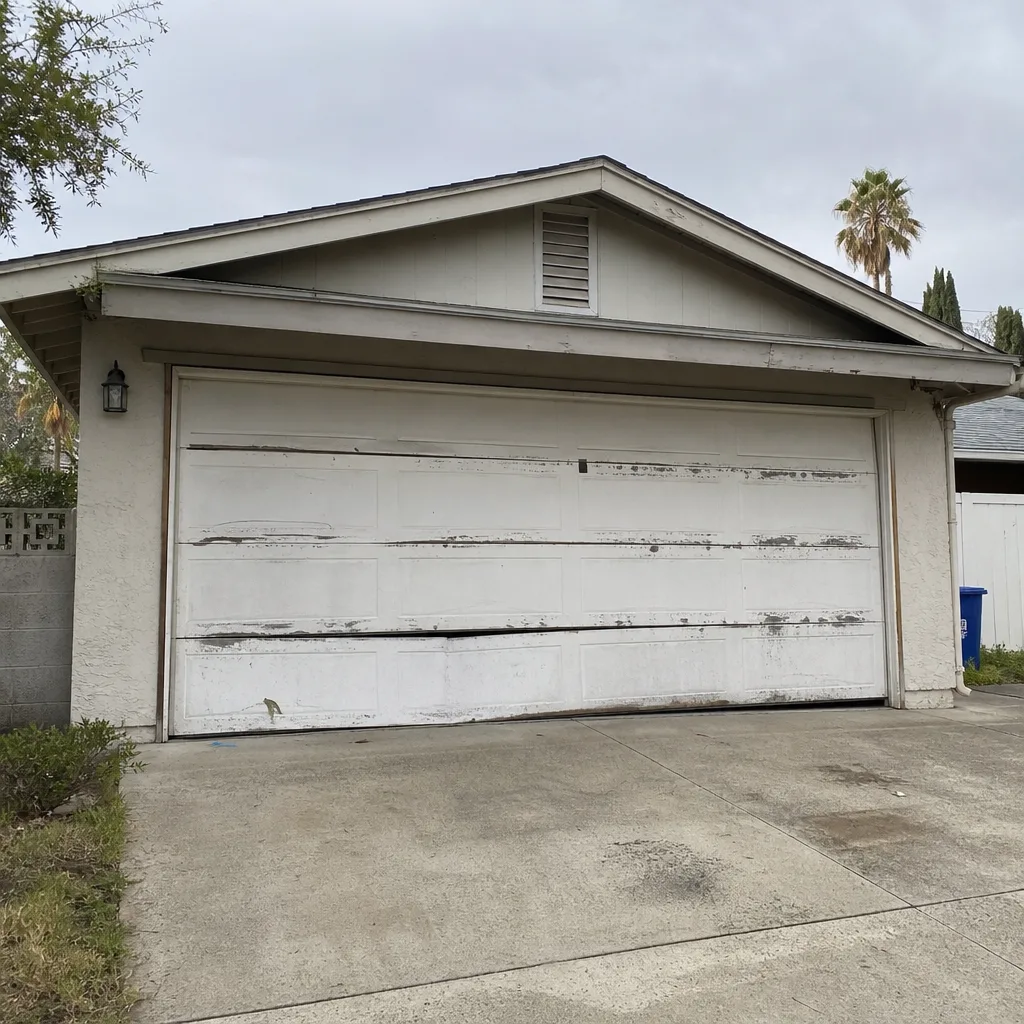
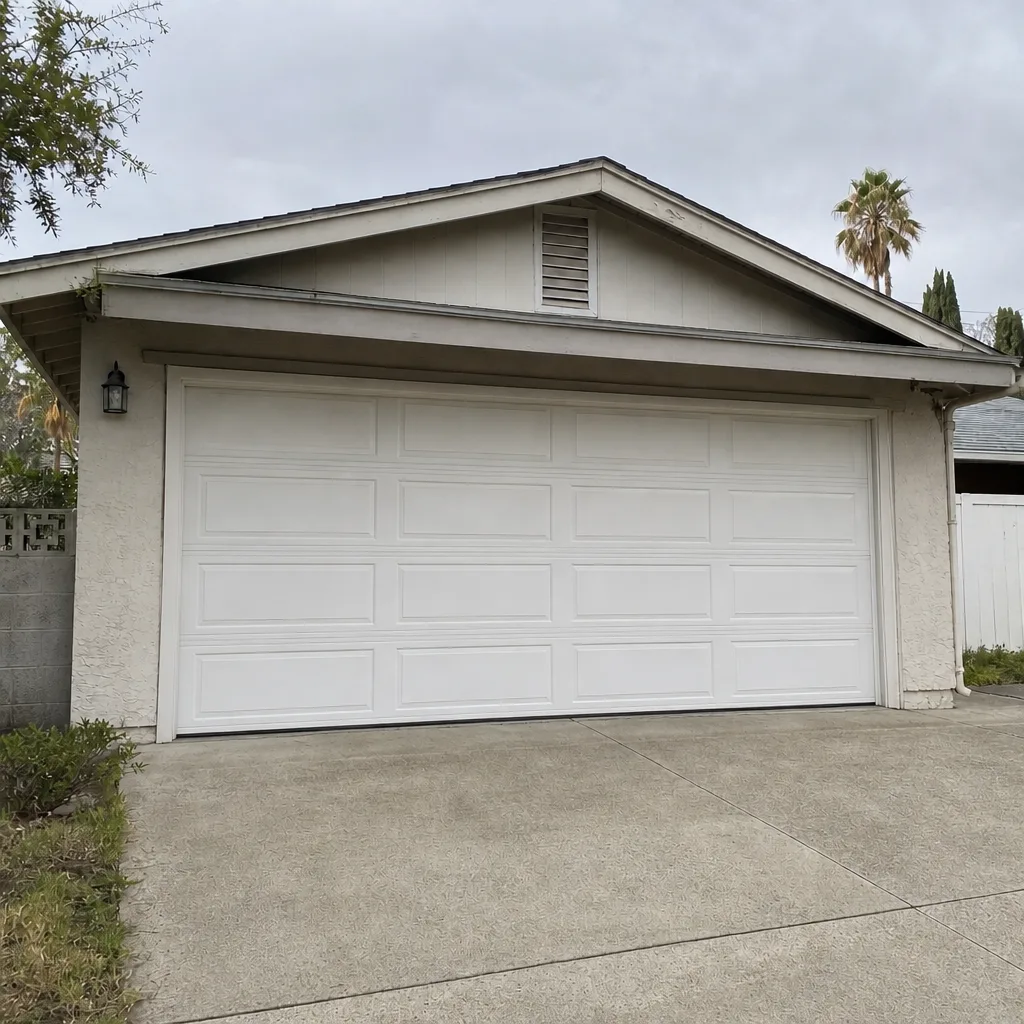
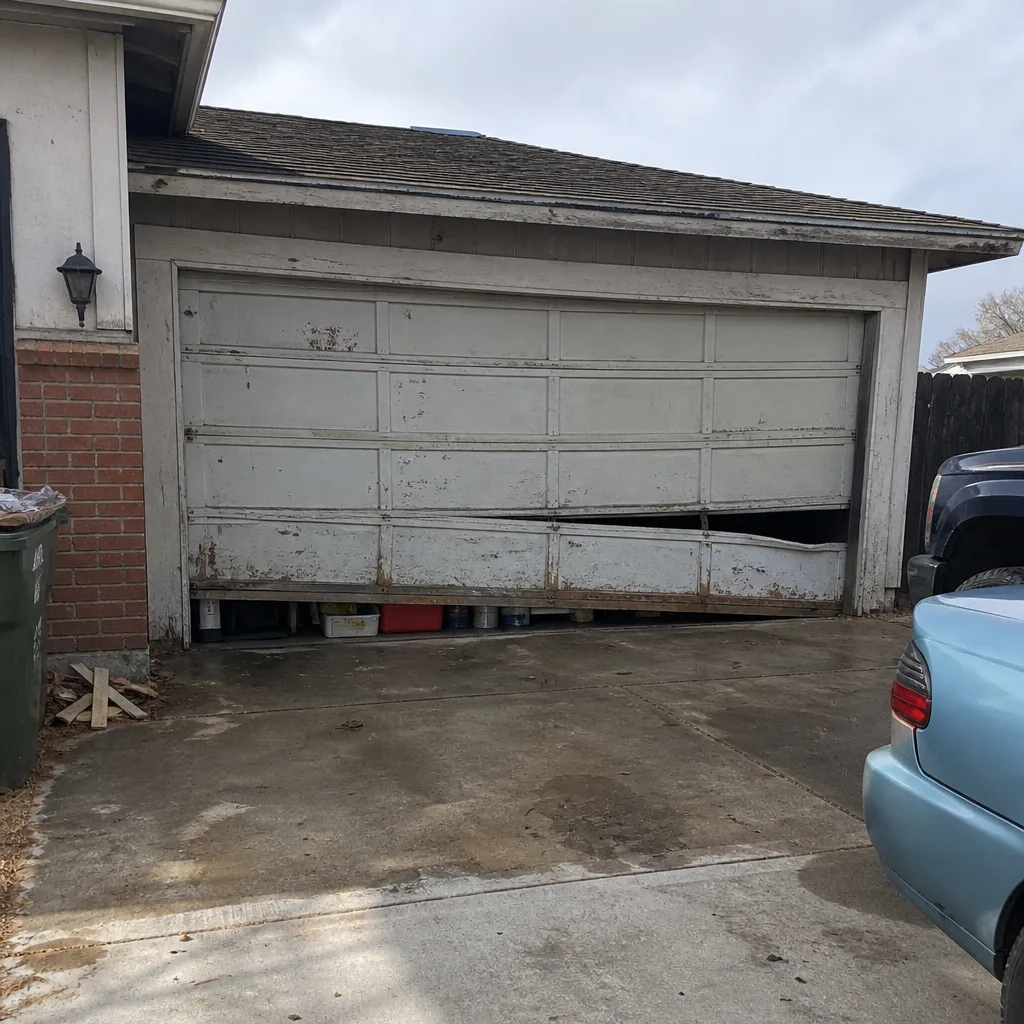
See the difference
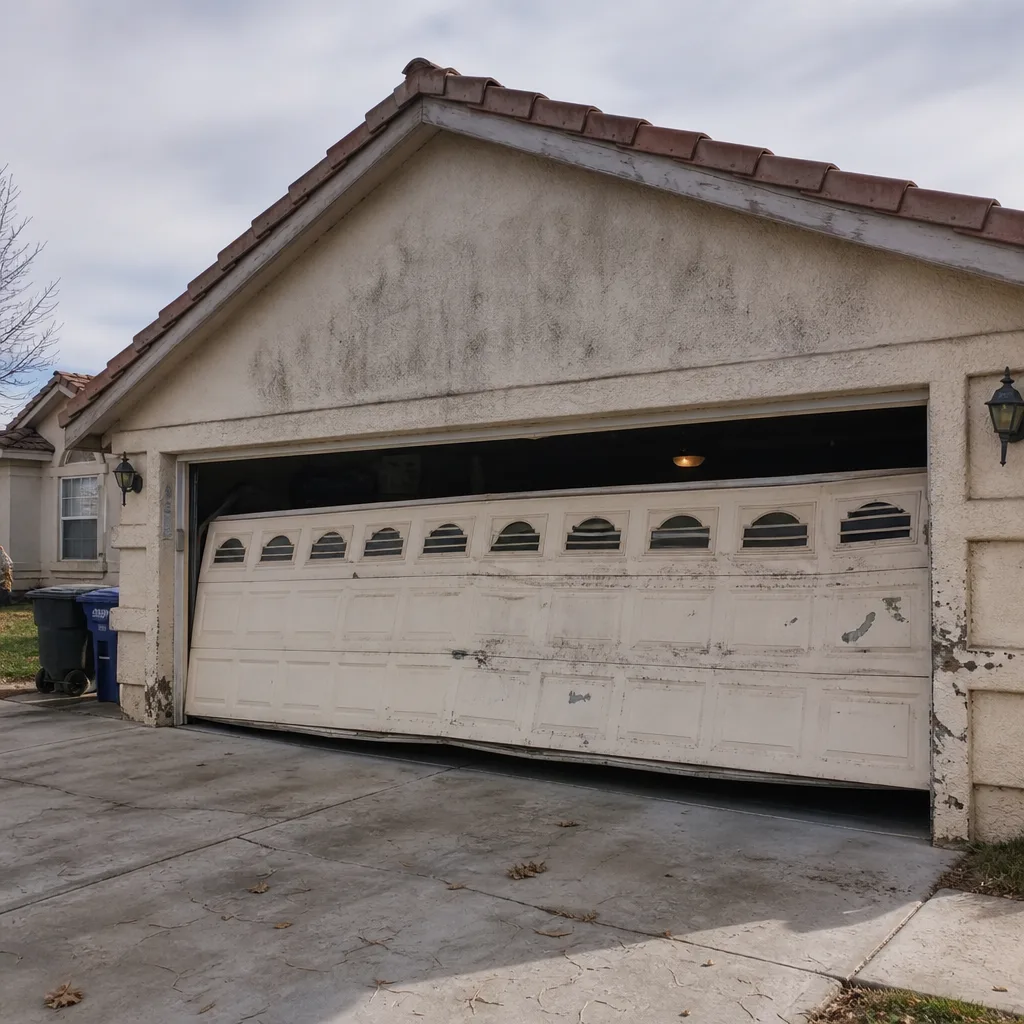 Before
 After
 Before
 After
 Before
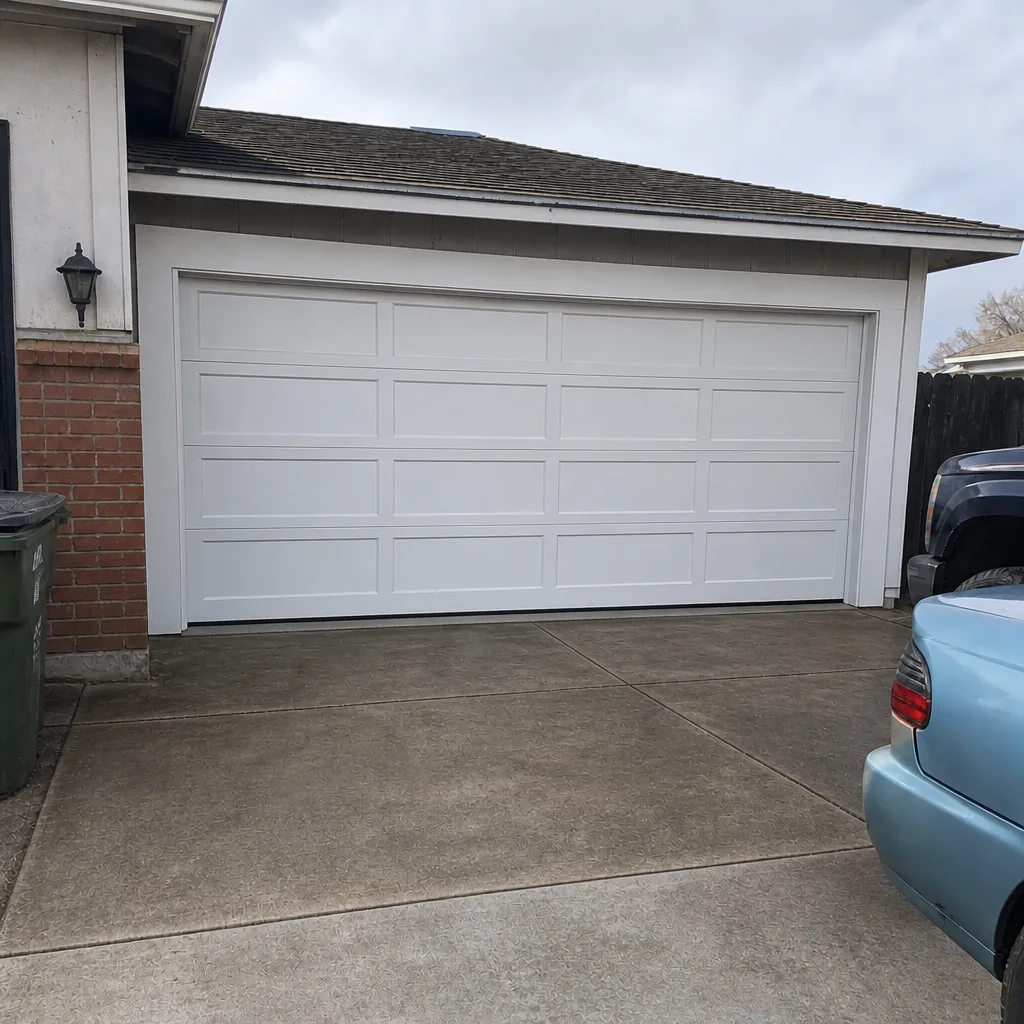 After
When to Call a Professional
Some things around the house you fix yourself. A garage door under tension is not one of them. Call a professional if you hear a loud bang from the garage, the door won’t go all the way up or down, the door is visibly sagging on one side, the opener runs but the door doesn’t move, the safety sensors keep triggering, or the door reverses on its own. Any of those is a trained-technician job, and the danger of pushing through it yourself isn’t worth the savings. If you’re mid-vet process and don’t want to keep calling around, Belmont Garage Door Service offers free estimates in Paradise – call (844) 665-0023. We answer 24/7. Fast dispatch from 7am to 7pm, Sunday through Friday. Same-day service on repair work is common, and the written price is set before any work starts.
Frequently Asked Questions
A single torsion spring replacement in Paradise typically runs $150 to $350 from a specialist, and a matched pair is priced at about twice that. The written estimate sets the final price before any work starts. Call (844) 665-0023 for an exact quote – estimates are free.
Yes. Nevada is a strict-licensing state, and garage door work – especially spring and cable work – carries real injury risk. Look the contractor up in the Nevada State Contractors Board database and confirm the license is active and the classification covers garage door work before you hire.
They can try, and that’s the problem. Torsion springs are stored-energy components, and a mistake on the winding process can injure the person doing it. Hire a specialist. It’s the difference between a repair that holds and an injury that doesn’t.
Because the quotes come from different types of contractor. A specialist prices the actual job with the actual part count; a generalist working through a referral app may price the same job two or three times higher because there’s no trade benchmark holding them to a number. Compare specialist to specialist, not specialist to generalist.
A clean estimate lists parts by name and count, separates labor from parts, names any opener model or spec, states what the price covers, and sets the final number in writing. Any line item that says “tune-up” or “spring assembly” without a count is a red flag.
Same-day repair is often available – call (844) 665-0023 and we’ll tell you. We answer 24/7. Fast dispatch from 7am to 7pm, Sunday through Friday. The written price is set before any work starts.
The Bottom Line
Hiring a garage door contractor in Paradise comes down to four moves: check the Nevada license and classification, ask the five questions that separate specialists from generalists, read the estimate line by line, and get the warranty in writing. Skip the three-quote ritual on spring work – it doesn’t benchmark the price, it just builds a list. Compare two specialists against each other and focus on the stated final number. Repair first, replace only when it makes sense. That’s the standard a specialist can hold to and a generalist can’t. If you want the process done in one call, we work on the brand you already have, and the price is quoted before work starts. For a garage door repair or garage door opener repair in Paradise, call (844) 665-0023 for a free estimate. If you’re still comparing options, learn more about Paradise and what your neighbors deal with in the local market.
Written by the team at Belmont Garage Door Service.