
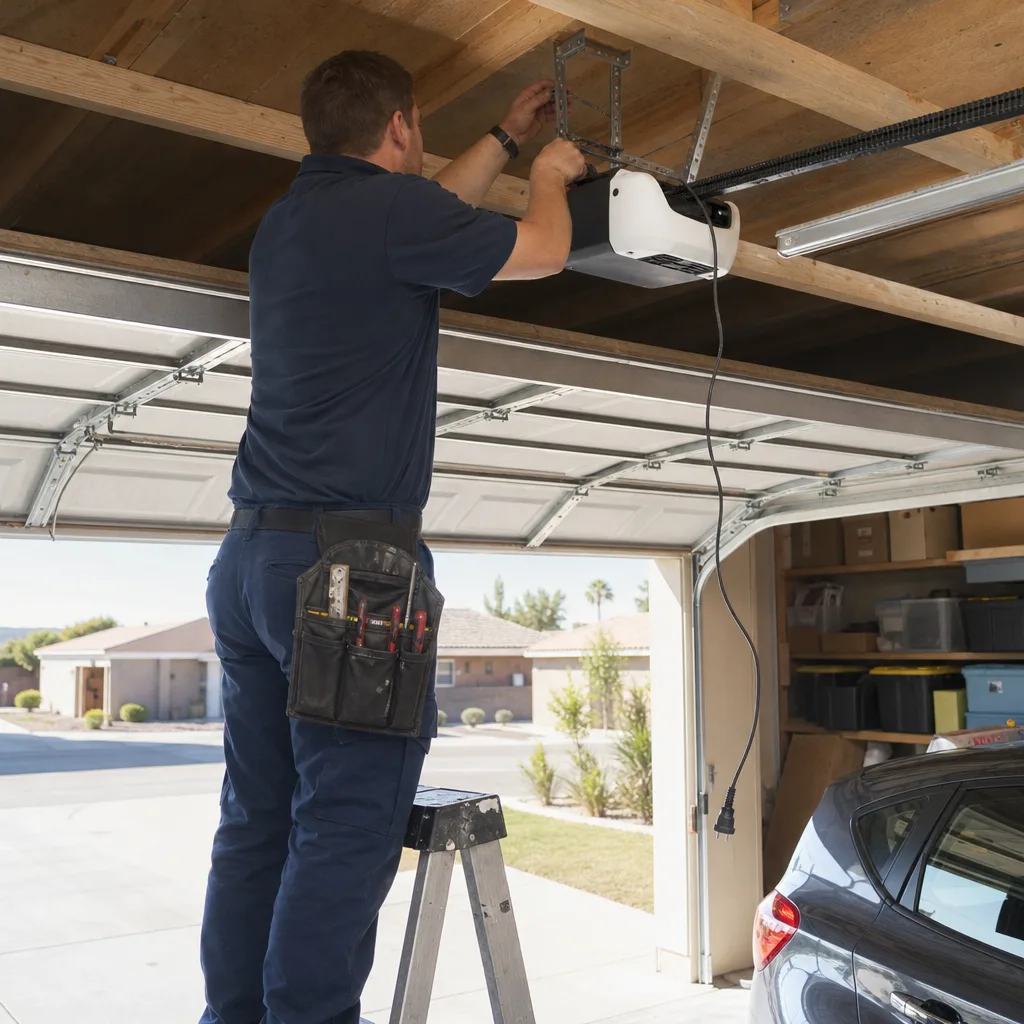
Last updated November 16, 2026
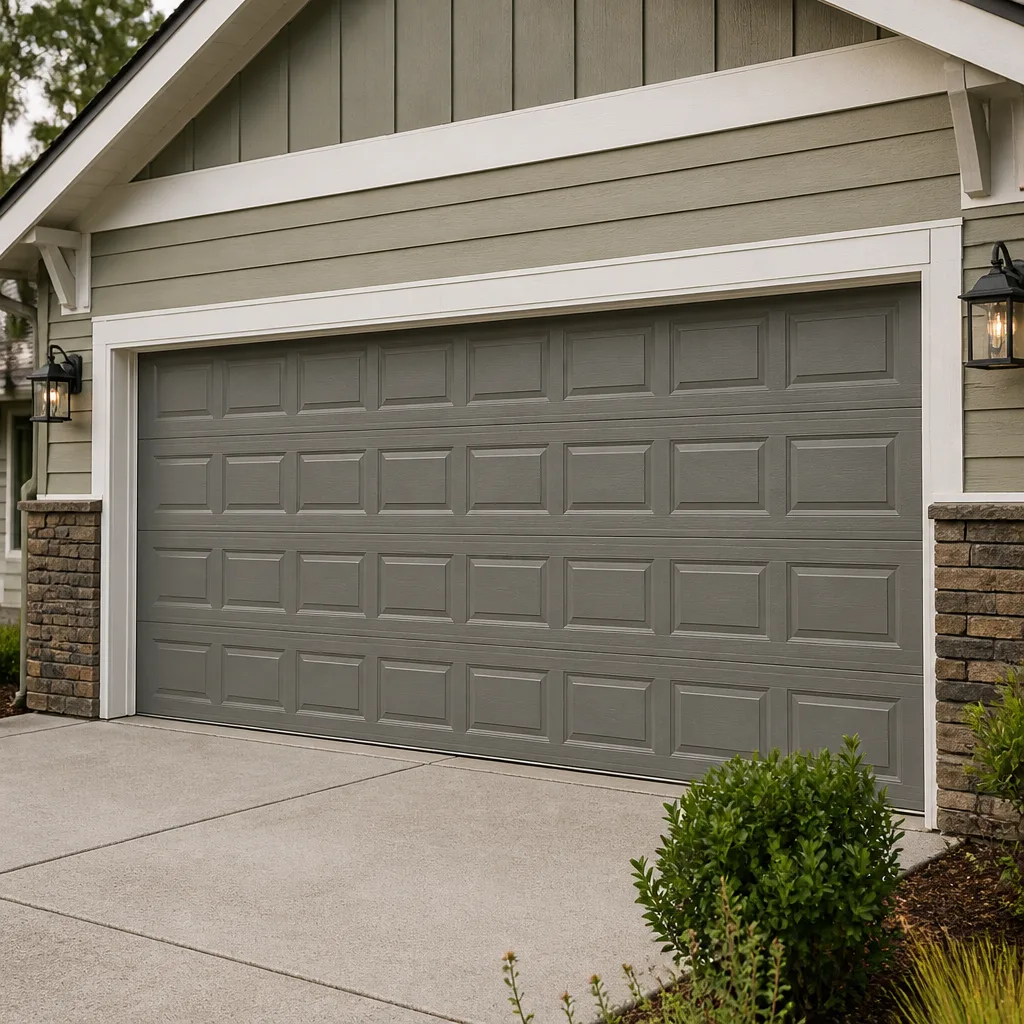 Raised-panel steel
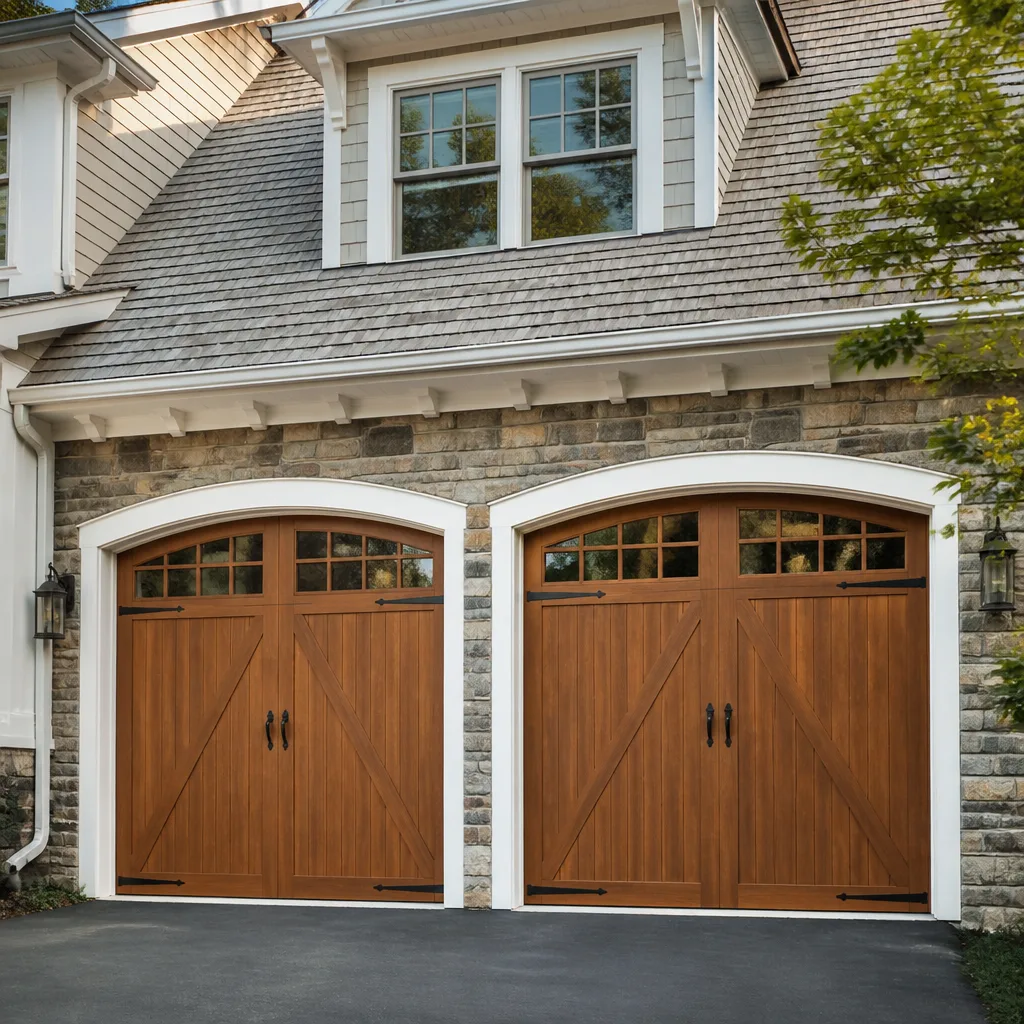 Carriage house
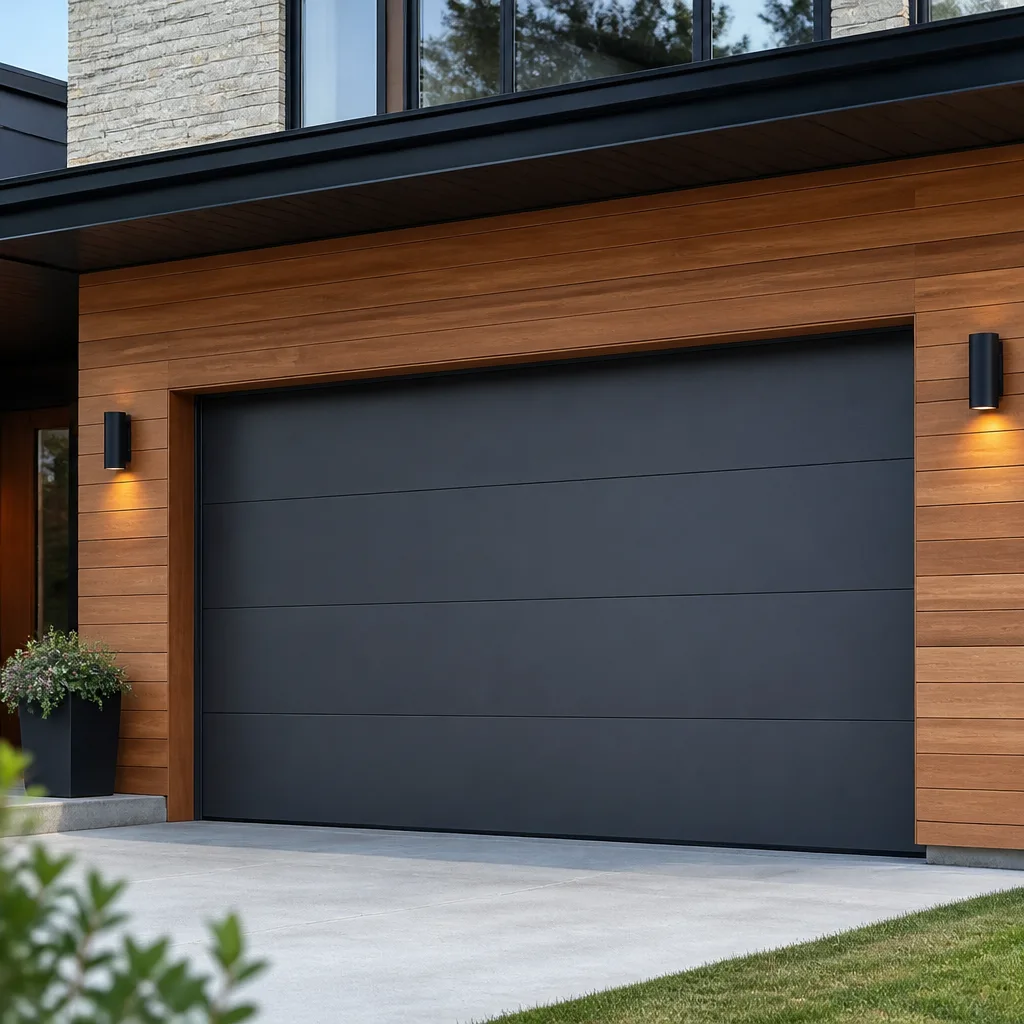 Modern flush
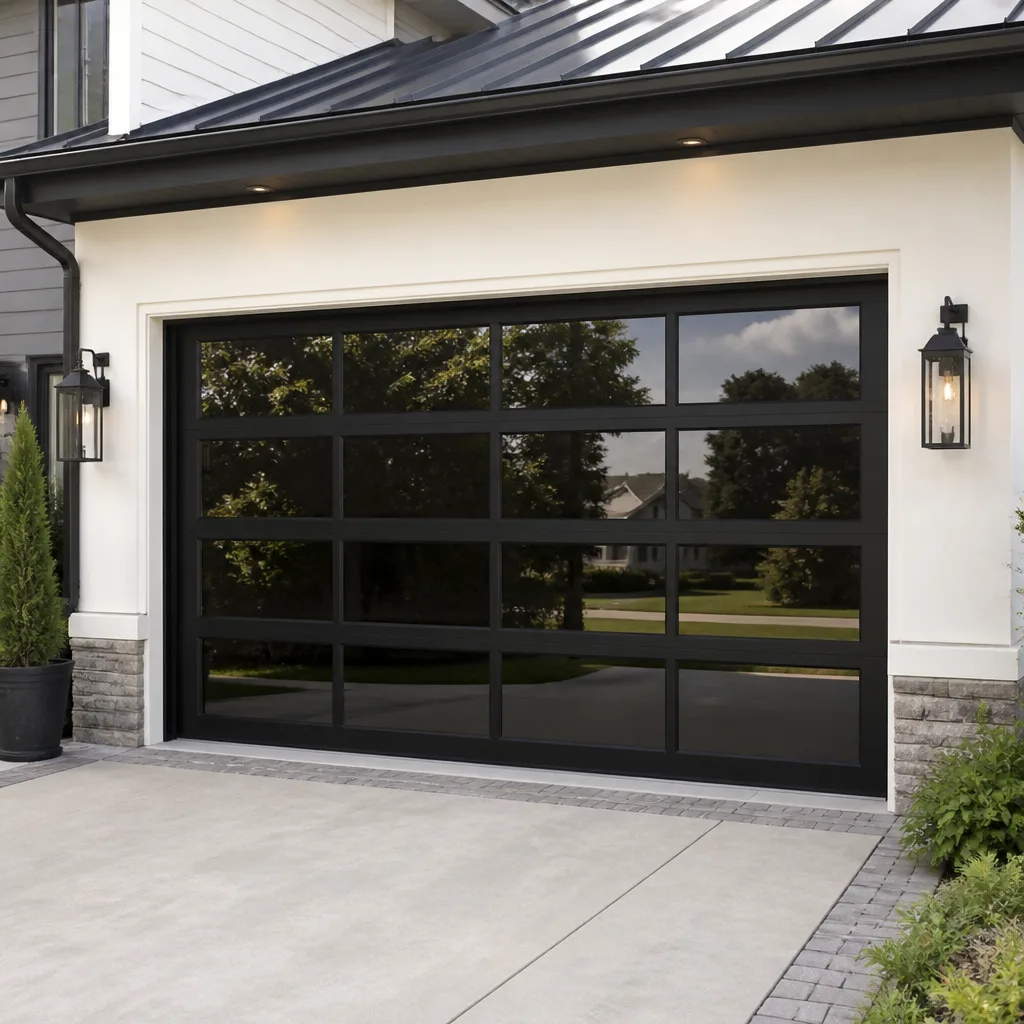 Full-view glass
 LiftMaster openers
 Chamberlain openers
Full 25-point door and opener safety check with every visit - springs, cables, rollers, tracks, and your LiftMaster or Chamberlain opener included
You get a price before we start. It does not change when the pro arrives.
Get your free estimateSeasonal Garage Door Care for Paradise: Year-Round Homeowner’s Guide
Most garage door maintenance advice you’ll find online assumes four tidy seasons spread evenly across the calendar. Paradise doesn’t work that way. What we actually get is a long, punishing hot stretch from late spring into early fall, a mild shoulder period, and a short winter where overnight temperatures slide toward 40°F and people are surprised by what that does to hardware. The “fall tune-up” every national guide recommends is, in Paradise, the single most important maintenance window of the year: it’s the last real chance to correct what summer did to your door before cool weather hides the stress that can snap a spring by February. This guide walks through the Paradise maintenance calendar month by month, what to check at each stage, and where the job stops being a homeowner task and becomes a call to a specialist.
Quick Answer
Garage door care in Paradise follows one hot peak, a mild shoulder season, and a brief cold snap rather than four equal seasons. Run hardware and seal checks in spring before June heat builds, clean tracks and sensors when spring winds die down, book a full inspection in October or November because that’s your highest-value maintenance window, and pay attention to spring tension once overnight lows hit the 40s. Remove the generic quarterly schedule and you’ll catch most failures before they leave you with a door stuck open.
Styles & brands we work with
- Raised-panel steel
- Carriage house
- Modern flush
- Full-view glass
- LiftMaster openers
- Chamberlain openers
Table of Contents
- Why the Paradise Calendar Isn’t Four Equal Seasons
- Pre-Summer Prep: What to Check Before June
- Mid-Summer Monitoring: What to Watch Without Opening Anything Up
- Dust Season and Your Tracks and Sensors
- The October – November Window: Your Highest-Value Maintenance Moment
- Winter Readiness: Why 40°F Nights Matter More Than You’d Think
- What You Can Safely Do Yourself (and What You Can’t)
- When to Call a Professional
Why the Paradise Calendar Isn’t Four Equal Seasons
If you moved to Paradise from a place with real winters, you probably brought a maintenance schedule built for a climate you no longer live in. That schedule is doing you a disservice. Paradise runs on thermal stress for most of the year, and thermal stress is what ages garage door hardware. Metal expands and contracts with heat. Lubricant thins in the summer and thickens in the cold. Seals dry and crack. Springs carry load differently depending on temperature.
Here’s the practical consequence: your door’s hardest working months are June through September, not December through February. A national guide tells you to prepare for snow; in Paradise, you should be preparing for a long run of triple-digit afternoons that quietly wear down the torsion system, the rollers, and the weather seal while everything still looks and sounds fine. By the time the cooler shoulder months arrive, some of that damage is already done and starting to hide. Cooler temperatures can make a tired spring feel more normal than it is, while the fatigue underneath hasn’t gone anywhere.
So the maintenance calendar we recommend for a Paradise home looks like this:
- March – May: pre-summer checks. Hardware inspection, seal condition, balance test, lubricant refresh.
- May – June: dust season cleanup. Tracks and sensors cleaned once the spring winds settle.
- July – August: observation only. No hands in the mechanism. Watch, listen, and note anything irregular.
- October – November: the big one. Full inspection, spring assessment, adjustment, and a written note of anything that should be watched next year.
- December – February: winter attention. Hearing and watching the door as overnight lows dip, plus one spring tension check.
That’s five touchpoints across the year, but they’re not evenly weighted. The October – November inspection does more for your door’s longevity than the other four combined. We’ll explain why in its own section, but the short version is that it’s the only window where summer damage is still visible and still fixable before cold weather puts extra load on already-tired hardware.
Pre-Summer Prep: What to Check Before June
Pre-summer prep is about finding small problems while they’re still cheap to fix and the heat hasn’t arrived to amplify them. You’re not disassembling anything. You’re walking around the door, listening, and observing. If you do these five checks once a year in April or May, you’ll have a good baseline for what “normal” sounds and feels like on your door.
1. Listen to the door from outside while someone else runs it
Stand on the driveway and have another person in the house open and close the door with the wall button or remote. You’re listening for grinding, scraping, or a rhythmic thumping. Smooth operation has one constant sound. Anything that pulses or scrapes is telling you a roller, hinge, or track is doing extra work. Note which side of the door it comes from.
2. Check the weather seal at the bottom of the door
Get down at eye level with the concrete and look along the bottom seal. It should sit evenly against the floor the whole way across with no daylight underneath. In Paradise, the combination of summer heat and desert dust dries the rubber until it hardens and separates slightly. A seal that’s cracking or hanging loose is a heat-leak problem in the summer and a dust-and-critter problem year-round. Replacing a bottom seal is a small job; ignoring it lets the gap widen and start straining the door’s balance.
3. Run the balance test with the door disconnected
With the door fully closed, pull the manual release cord to disconnect the opener. Lift the door by hand to about waist height and let it go. A properly balanced door stays put or moves very slightly. If it drops fast or needs real effort to lift, the spring tension is off. Reconnect the door before doing anything else, and get the balance checked by a technician before the hot months arrive.
4. Look at the rollers, hinges, and track joints
Don’t put your hands in anything, just look. Rollers should be round and quiet and seated fully in the track. Hinges should be tight with no visible bend. Track joints should line up. Any roller that looks flat-spotted or hinge that’s bent is a candidate for replacement before summer.
5. Refresh the lubrication on the moving parts
A light application of a manufacturer-appropriate lubricant on rollers, hinges, and the torsion spring coils (not the track itself) is a homeowner-safe task. Do this in spring, before the heat thins whatever’s left in the joints. Don’t over-lubricate, and never put lubricant on the flat surface of the track where the rollers ride – it attracts dust.
If any of these checks flags something, that’s the moment to get it handled. A pre-summer repair in Paradise usually costs a fraction of what the same failure costs once July heat has forced a door off track or stalled it open. If you’re a homeowner who wants a professional eye on it before the season, garage door repair starts with an inspection, and that’s often all you need in a well-maintained door.
Mid-Summer Monitoring: What to Watch Without Opening Anything Up
July and August in Paradise are not the months to be working on your garage door. It’s too hot, the metal is at its most expanded, and anyone opening up hardware on a door that’s still under spring tension is taking an unnecessary risk. What you should be doing in midsummer is observing. Think of it as the check-engine-light phase, not the open-the-hood phase.
Watch for these six midsummer warning signs
- The door reverses before closing. That’s a sensor or opener logic issue, not a door balance issue. Stop forcing it. Do not tape over the sensors.
- The opener strains or the door slows down. Hot weather loads the opener’s motor and gearing more than cool weather does. A door that labors in August may already be running on a tired spring.
- The door rides unevenly side to side. One side higher than the other is a track or cable issue. Do not try to adjust it. Call.
- You hear a bang or pop from the door itself. Torsion springs fail loudly. Stop using the door and get it looked at.
- The exterior paint looks chalky or the wood trim is fading. Cosmetic at this stage, and a reminder in Paradise that the sun-facing side of the door takes more UV than you’d expect.
- The garage interior stays hotter than you’d think. A worn bottom seal or side seal lets hot air in. Both are easy to replace once temperatures drop.
Notice what’s not on this list: lubrication, adjustment, hinge replacement. That’s deliberate. In mid-summer heat, a spring under tension is already at its working limit and the metal is at its most expanded. Anything that involves touching the torsion system, the cables, or the track that carries them is a job for a technician who knows the door. If you suspect a problem during the hot stretch, note it and get it looked at rather than attempting a fix. We answer 24/7 at (844) 665-0023, and fast dispatch runs from 7am to 7pm if you need a technician out. Our technicians have up to 8 years of experience and can tell you on arrival whether it’s a door issue or an opener issue, which matters because the two fail for very different reasons.
Dust Season and Your Tracks and Sensors
Spring winds in Paradise carry fine dust and grit onto everything in the garage, and the most important result is what lands in your door tracks and on your safety sensors. Most maintenance guides never mention this because it isn’t a problem in wetter, greener climates. Here, it’s one of the top three reasons a door starts acting up in May and June.
Why dust matters to a garage door
The door’s rollers ride in tracks with a small clearance on each side. A film of fine dust in that clearance adds friction, and friction loads the opener. It also works its way into the rollers themselves and into the hinges, and a roller that should turn freely starts skidding along the track. Meanwhile, the safety sensors at the bottom corners of the door rely on sending an infrared beam back and forth. Dust on the sensor lenses, and the dust sitting between them, can throw the beam off, and the door reverses when nothing is in the way.
How to clean both once the winds die down
- Use a dry microfiber cloth or a soft brush to wipe the inside of both tracks from top to bottom. Don’t use oil or a wet cleaner; you’ll just build a sticky surface that attracts the next round of dust.
- Wipe the sensor lenses at the bottom corners of the door frame with a dry cloth. Do the same for the sensor on the door itself if your opener uses a door-mounted reflector.
- Re-lubricate the rollers and hinges with a small amount of manufacturer-recommended lubricant, since the dust removal has taken some of the original film with it. Do not lubricate the track itself.
- Run the door once and listen. If it’s noticeably quieter and the door no longer reverses at the same spot, the cleaning fixed it. If the door still reverses with clear lenses, that’s an opener issue, not dirt.
Dust cleanup is easy and safe for a homeowner. What you’re looking for after the cleanup is confirmation that the door runs normally again. If it doesn’t, don’t assume the dust was the whole story. Something else is underneath, and that’s a call to a technician for a proper look at the opener and door system together. That’s the kind of single-visit diagnosis where a specialist-only shop earns its keep.
The October – November Window: Your Highest-Value Maintenance Moment
The October – November window is the most important maintenance appointment of the year in Paradise, and it’s the one that most homeowners skip because the door is working fine. That’s exactly the problem. Summer has just finished working your door over for four months, and every bit of stress the heat caused is still visible in the hardware. Once the cooler nights arrive and the door starts running at lower temperatures, that damage gets harder to see and easier to compound.
Here’s the specific reason it matters: a torsion spring doesn’t typically snap in August when it’s under steady load. It snaps when the load changes, and the first real overnight cool-down in fall is a load change. Springs that have been losing their energy through the summer often give out in the fall or winter, not in midsummer. The October – November inspection is your chance to catch that before it happens.
What a proper fall inspection covers
- The torsion spring’s wire condition and coil spacing – look for tight spots or visible stretching
- Cable tension and wear, especially at the drums
- Roller condition and correct seating in the track
- Hinge tightness and any loosened fasteners after a summer of expansion and contraction
- Bottom seal and side seal condition
- Opener performance and safety reverse test with a real object in the path, not just the sensor beam
- Track alignment and operation through the full up-and-down cycle
Rebalancing, spring tension changes, cable replacement, and any work on the torsion system or the cables should be done by a trained technician. The stored energy in a wound torsion spring is enough to cause serious injury, and it’s not a job to attempt at home. If you’re looking for the right time of year to check garage door opener repair off your list, do it in the same visit – the opener and door get inspected together so you’re not paying for two separate callouts. Even if you don’t book a technician this fall, at least do the visual checks and hear what the door sounds like. A door that’s started grinding on the way down in October is telling you something the summer damage is about to make worse.
Winter Readiness: Why 40°F Nights Matter More Than You’d Think
Paradise winters aren’t severe, but they aren’t nothing. When overnight temperatures slide into the 40s and hold there, the door’s metal contracts and the spring load shifts. Most homeowners don’t think of a 40°F night as “cold” the way someone in the Midwest would, but your torsion spring does. It’s not about freezing; it’s about the delta between the spring’s set load and the load the door carries at a lower temperature.
What overnight temperature drops do to a garage door
A torsion spring is a steel coil under permanent tension. Steel’s tension characteristics change with temperature, and a spring that felt perfectly balanced in a warm September is slightly tougher to move in a 40°F November morning. That’s the load change that finds the weak spots. Rollers stiffen slightly, hinges stiffen slightly, and the opener has to work a touch harder for the first cycle of the day. If any part of the system is already tired, this is where it fails.
Your winter readiness checklist
- Run the door once slowly on the first cold morning and listen carefully. Any new noise that wasn’t there in fall is a signal.
- Watch the door travel all the way down. If it stops before reaching the floor, reverses on its own, or contacts the floor harder than usual, note which and call.
- Check the weather seal again – cold stiffens it, and a seal that was loose in the summer may now leave visible gaps.
- Look at the springs. If they look unevenly spaced, stretched, or show a visible gap anywhere on the coil, stop using the door and get a technician to look at it before you run it again.
- Re-lubricate the moving parts once at the start of winter, because cold thickens the lubricant remaining from summer and a light refresh helps the door run smoother on the first cool mornings.
The most common winter failure in Paradise is a spring that was already on its way out and finally gave way on the first genuinely cold morning. A trained professional can spot the fatigue before the failure. That’s the whole point of the autumn inspection we covered above. If you only do one proactive maintenance act this entire year in Paradise, do it in October or November.
What You Can Safely Do Yourself (and What You Can’t)
We get this question a lot, and the honest answer has a clean line down the middle. There’s a meaningful set of garage door maintenance tasks a homeowner can handle safely, and there’s a small set that carries real risk of serious injury. Knowing which is which is what matters.
Safe homeowner tasks
- Visual inspection of the door, tracks, rollers, hinges, and seals from a safe distance
- Cleaning the tracks (dry) and the safety sensor lenses
- Applying a light manufacturer-approved lubricant to rollers and hinges
- Testing the opener’s safety reverse with a real object in the door’s path
- The manual balance test described above, with the door disconnected from the opener
- Replacing the battery in the wall button or remote, and re-pairing the remote
Jobs to leave to a technician
- Any work on the torsion spring or the springs at either end of the door – these are under extreme tension and can cause serious injury if released unexpectedly
- Any work on the lift cables or their attachment points
- Track adjustment or replacement
- Replacing hinges that require the door to be secured in place first
- Any adjustment of the opener’s force or travel limits, which affect how the door behaves on safety reverse
- Replacing rollers that require the door to be lifted out of the track
If the check you want doesn’t appear on the first list, treat it as though it belongs on the second. That’s the safe default. The parts of a garage door under tension are genuinely dangerous, and no amount of video tutorials changes the underlying physics. We’ll always tell a homeowner straight if the answer is “leave it alone and call us” rather than a polite maybe. It’s the same principle we apply on any call: repair first, replace only when it makes sense.
Common Mistakes to Avoid
- Following a national four-season schedule. A maintenance plan written for a place with real winter doesn’t match a Paradise calendar. Your hardest months are the hot ones, and your maintenance should follow that pattern.
- Skipping the fall inspection because the door is working fine. Summer damage is at its most visible in October and November, precisely when the door is behaving too well to get noticed. That’s the window where a tired spring gets caught before it snaps in the cold.
- Lubricating the tracks. A little lubricant on the flat surface of the track picks up dust from the next wind event and turns the track into a grinding problem. Lubricate the moving parts, not the track.
- Forcing the door when it reverses or strains. A door that reverses is trying to tell you something. Taping over the sensors or holding the wall button is a shortcut to a bigger failure.
- Ignoring spring noise. A pop or a bang from the door itself is a torsion spring event. Running the door afterward can move it further out of position and turn a repair into a replacement.
- Cleaning the tracks with a wet or oily product. Dust in Paradise is fine and dry. A wet cleaner just creates a sticky surface that holds the next round of grit. Wipe dry.
- Assuming an older door “still works” equals no maintenance needed. Working isn’t the same as healthy. Springs, cables, and rollers fail without warning when they’ve been understated for too long.
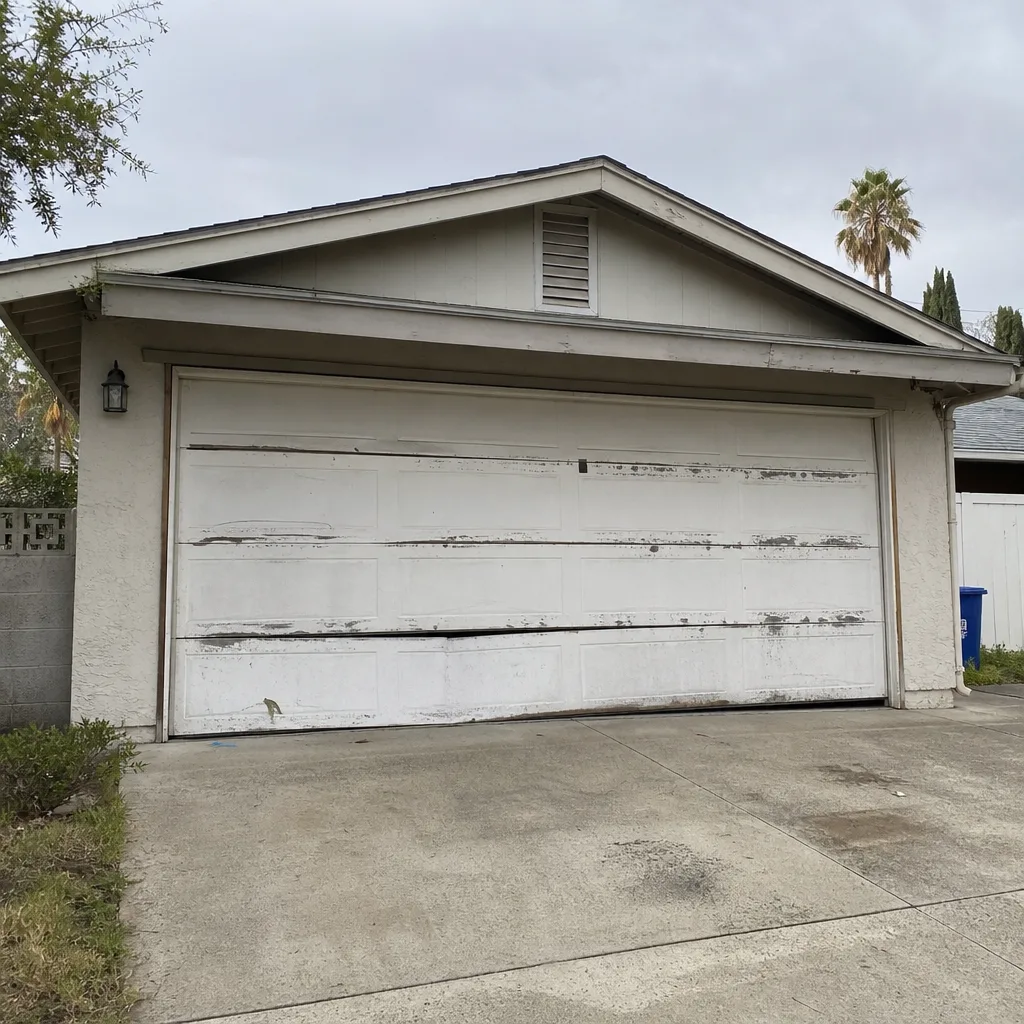
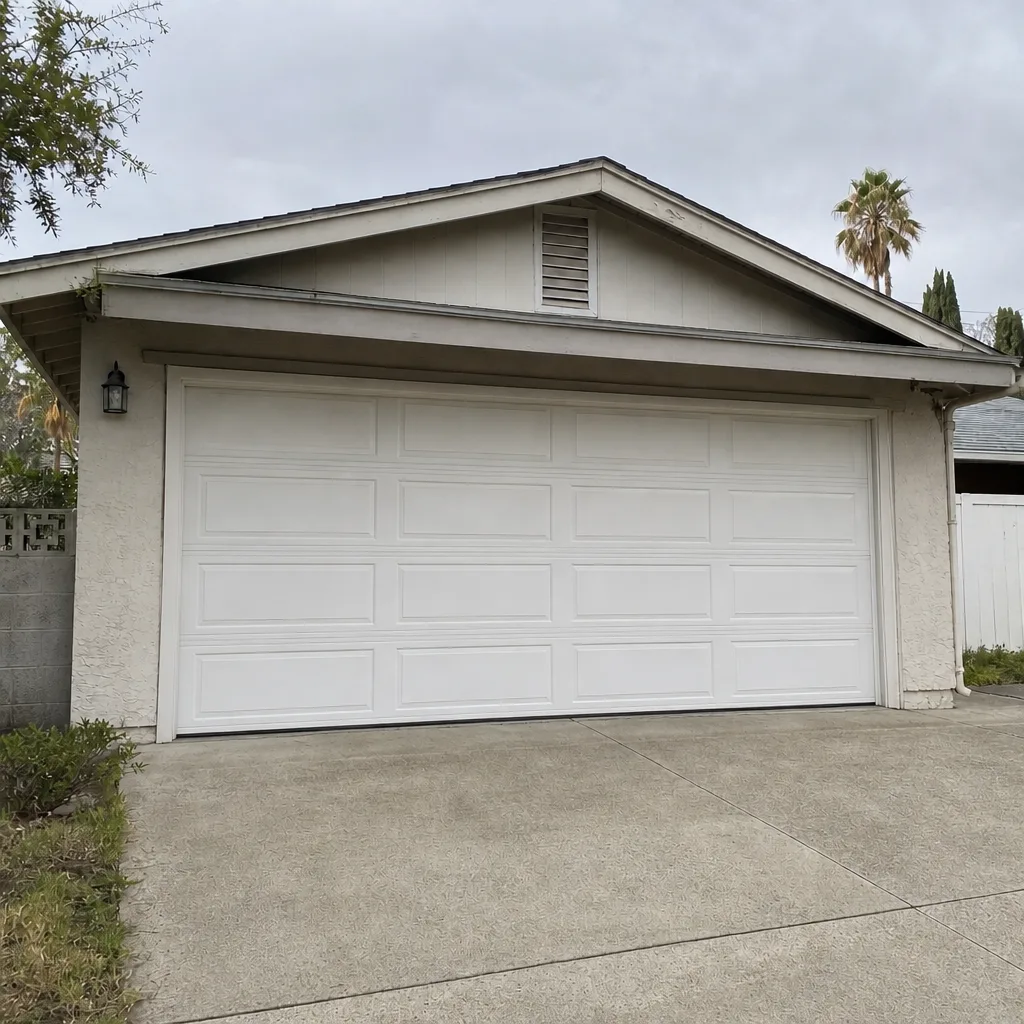
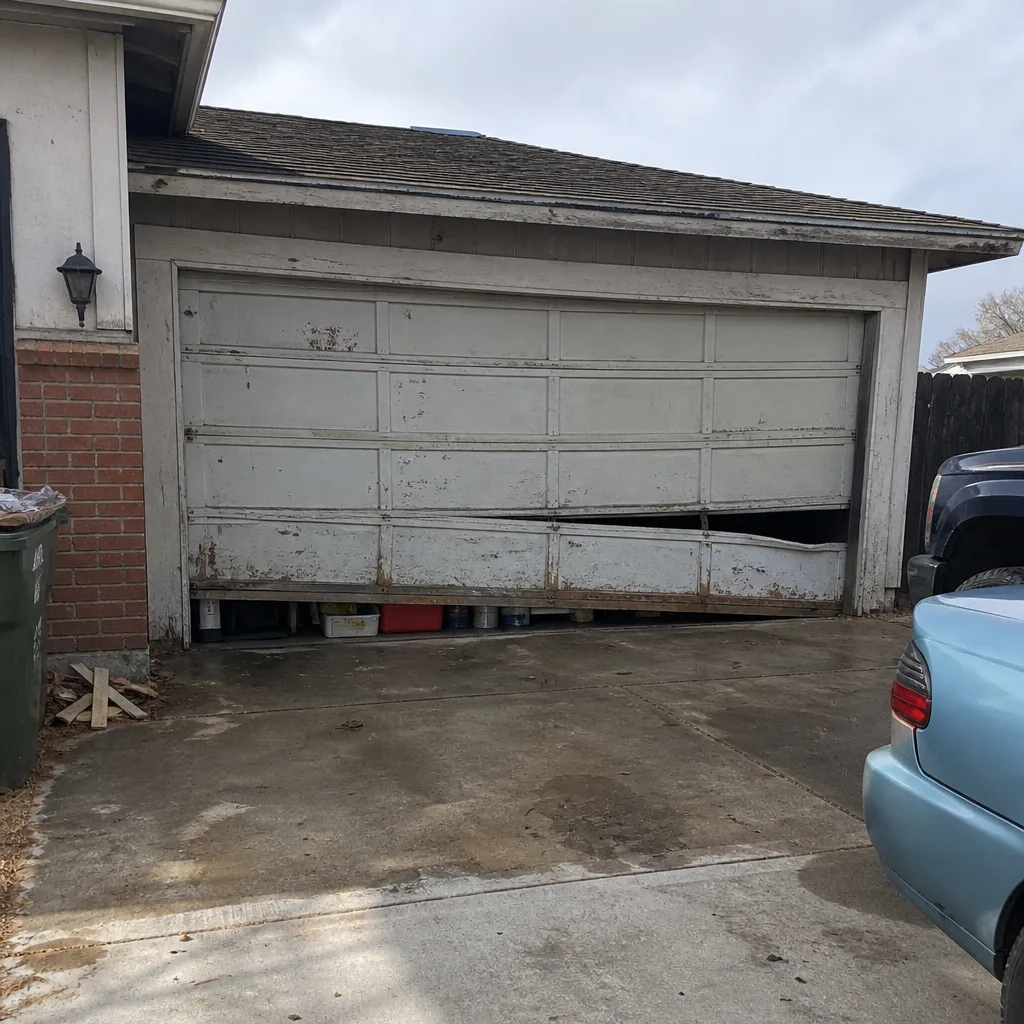
See the difference
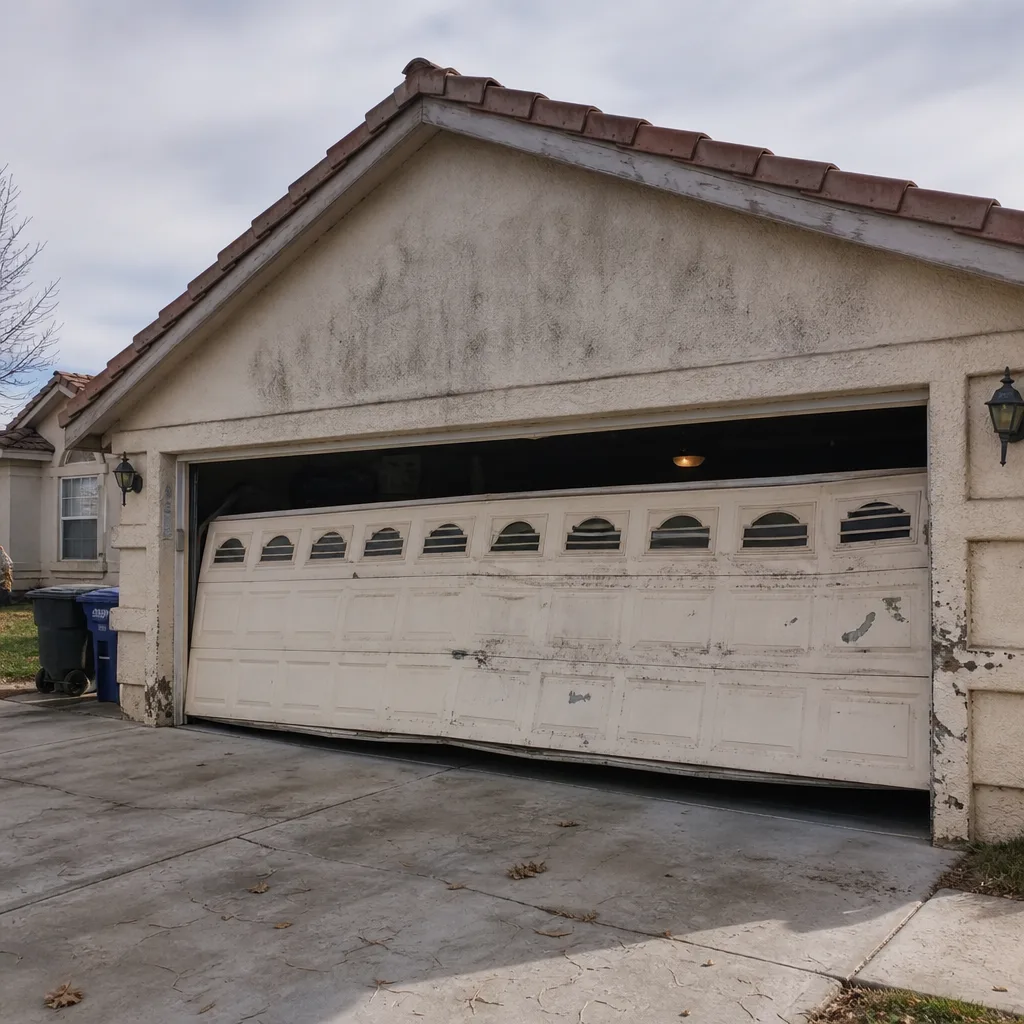 Before
 After
 Before
 After
 Before
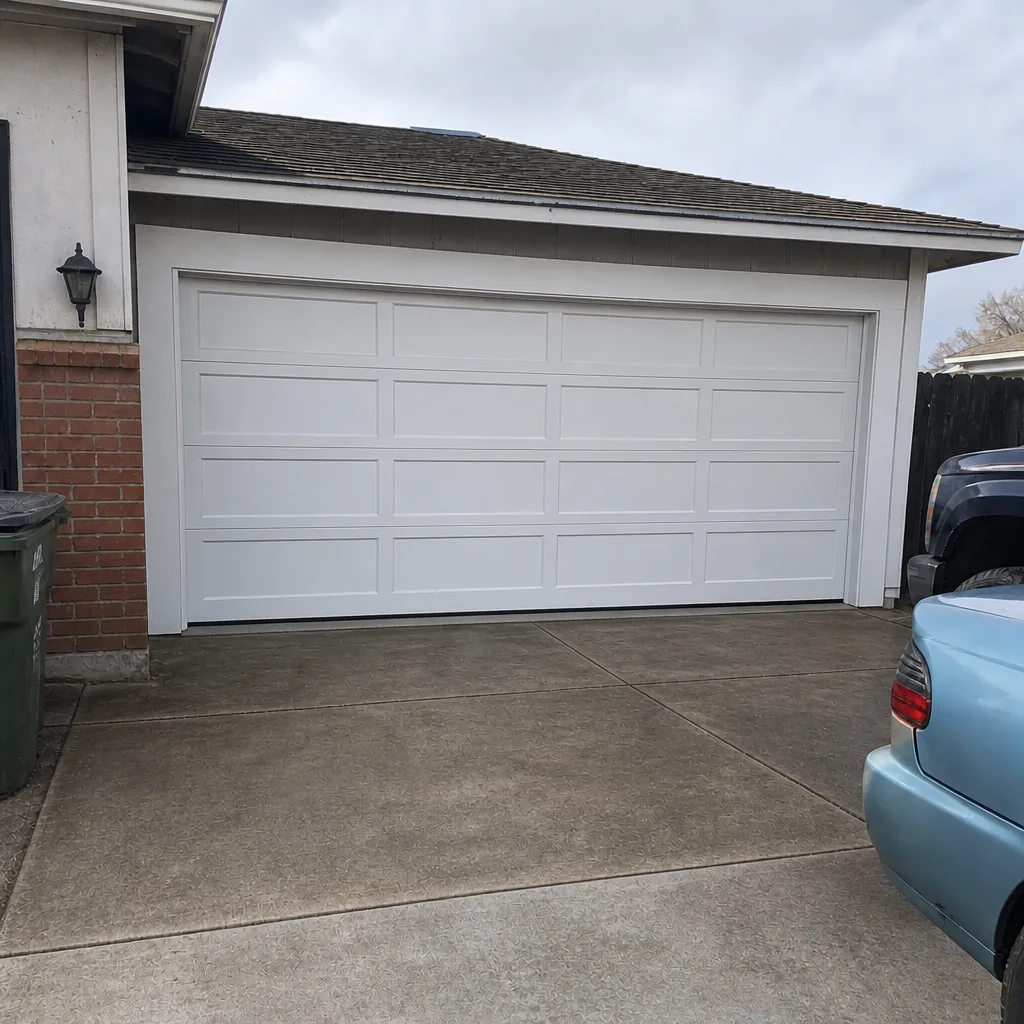 After
When to Call a Professional
Most garage door problems announce themselves before they become emergencies. The door reverses for no reason, the opener strains, the door rides unevenly, one side lags the other, or you hear a pop from the spring. Any of these means it’s time for a specialist to look at it – not because the door is dangerous in that moment, but because these are the signals that a bigger failure is on the way. Worn rollers, tired springs, and loosened cables don’t fix themselves with more use. They compound.
Call a professional if you hear any spring or cable noise, if the balance test fails, if the door won’t close fully, or if the door’s mechanical and electronic systems are both acting up. Those two areas fail for different reasons, and diagnosing both in one visit is what Belmont Garage Door Service is built for. Our technicians work across the major residential brands, so the door and opener you already own are the ones they’ll be servicing – no dead ends at a brand name. Belmont Garage Door Service offers free estimates in Paradise. Call (844) 665-0023. We answer 24/7. Fast dispatch from 7am to 7pm, Sunday through Friday.
Frequently Asked Questions
Once a year is enough for most well-maintained doors, but the timing matters more than the frequency. Book the full inspection in October or November, when summer wear is at its most visible and cold weather hasn’t started hiding it. Do the pre-summer checks in spring yourself, and keep an eye on the door through midsummer without opening up any hardware. Between these, you’ll catch most failures early.
Torsion spring fatigue after a long hot summer, followed by the cold-weather load change that finally breaks it. The spring loses energy gradually through the summer heat, and the first stretch of 40°F nights in winter is where the weakened spring tends to give out. The second most common cause is dust in the tracks and on the safety sensors, which causes doors to reverse in spring and early summer.
No, and that’s the single biggest maintenance mistake we see. A door that hasn’t failed yet is exactly the door a fall inspection is designed for. It’s the cheapest point in the year to catch a tired spring, a stretched cable, or a worn track. Waiting for the door to fail usually turns a straightforward repair into a bigger one. Call (844) 665-0023 to schedule an inspection before winter if the door hasn’t been looked at since the summer.
Yes, with the right parts in mind. Lubricating rollers, hinges, and the torsion spring coils (not the flat surface of the track) is a homeowner-safe task. Never touch the springs under tension, the cables, or the track adjustments themselves. If you’re unsure whether a part qualifies, it doesn’t. Call us and we’ll tell you straight.
Stop using the door and call a technician. A loud pop is very often a torsion spring failing, and the door is now running on unbalanced or unsafe tension. Don’t try to lift it, and don’t force it up with the opener. Wait for a professional who can safely assess the spring and cable system before the door moves again. We answer 24/7 at (844) 665-0023. A call outside dispatch hours is booked into the next opening, Sunday through Friday, 7am to 7pm.
We work on eight of the most widely installed residential brands: LiftMaster, Chamberlain, Genie, Clopay, Amarr, Wayne Dalton, Craftsman, and Raynor. That range spans older systems like a legacy Craftsman opener as well as current smart openers and popular door brands like Clopay and Wayne Dalton. If your home has any of those, the door you already own is the door we service. Call for a free estimate if you’re not sure.
The Bottom Line
Paradise runs on one hot stretch, a mild shoulder period, and a short winter, and your garage door maintenance should follow that shape rather than a generic four-season calendar. Prepare before June, monitor through the hot months without touching the hardware, clean tracks and sensors after dust season, book the big inspection in October or November, and pay attention to the door once overnight lows reach the 40s. Spring fatigue and cold-weather load changes are what catch most Paradise homeowners off guard, and the fall window is where you head them off. If you want a specialist’s eyes on the door before the next season turns, Paradise homeowners can reach us for a free estimate. Call (844) 665-0023. We answer 24/7. Fast dispatch from 7am to 7pm, Sunday through Friday.
Written by the team at Belmont Garage Door Service.