
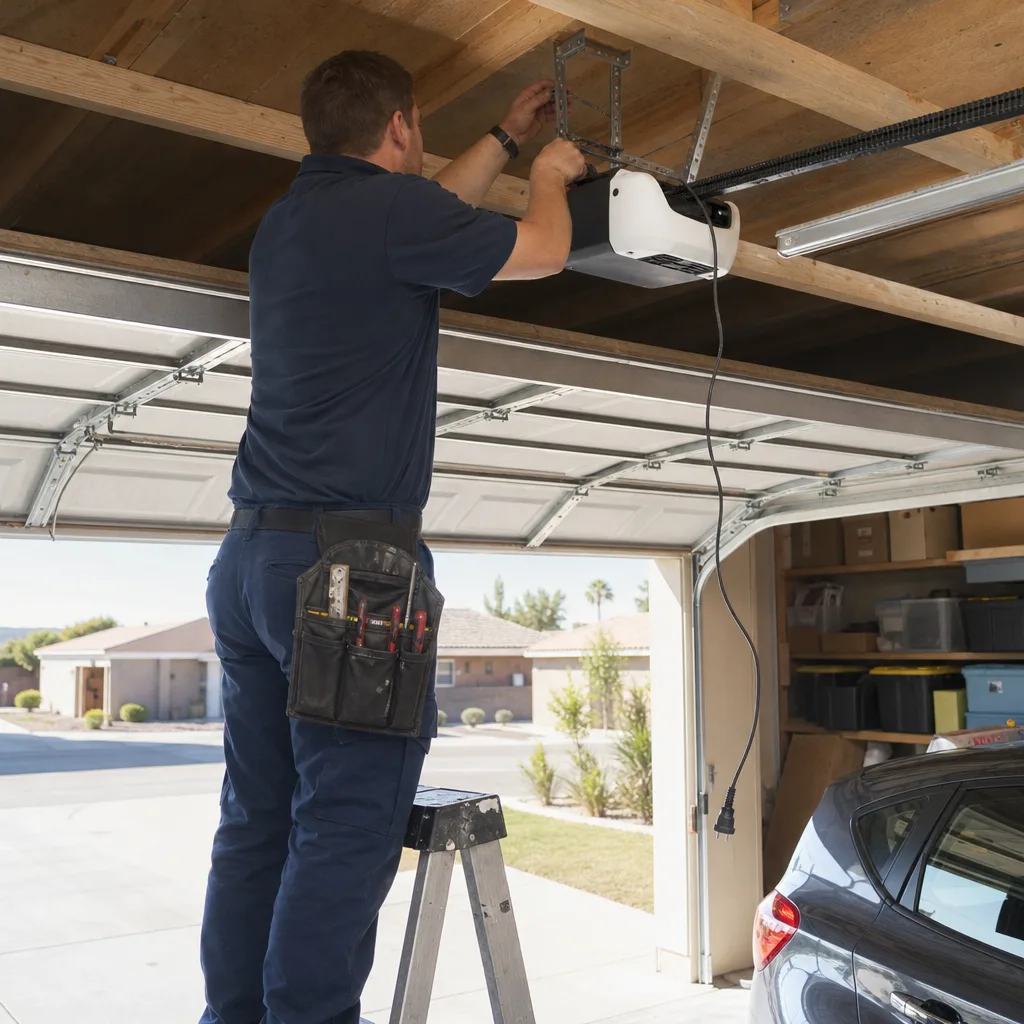
Last updated November 16, 2026
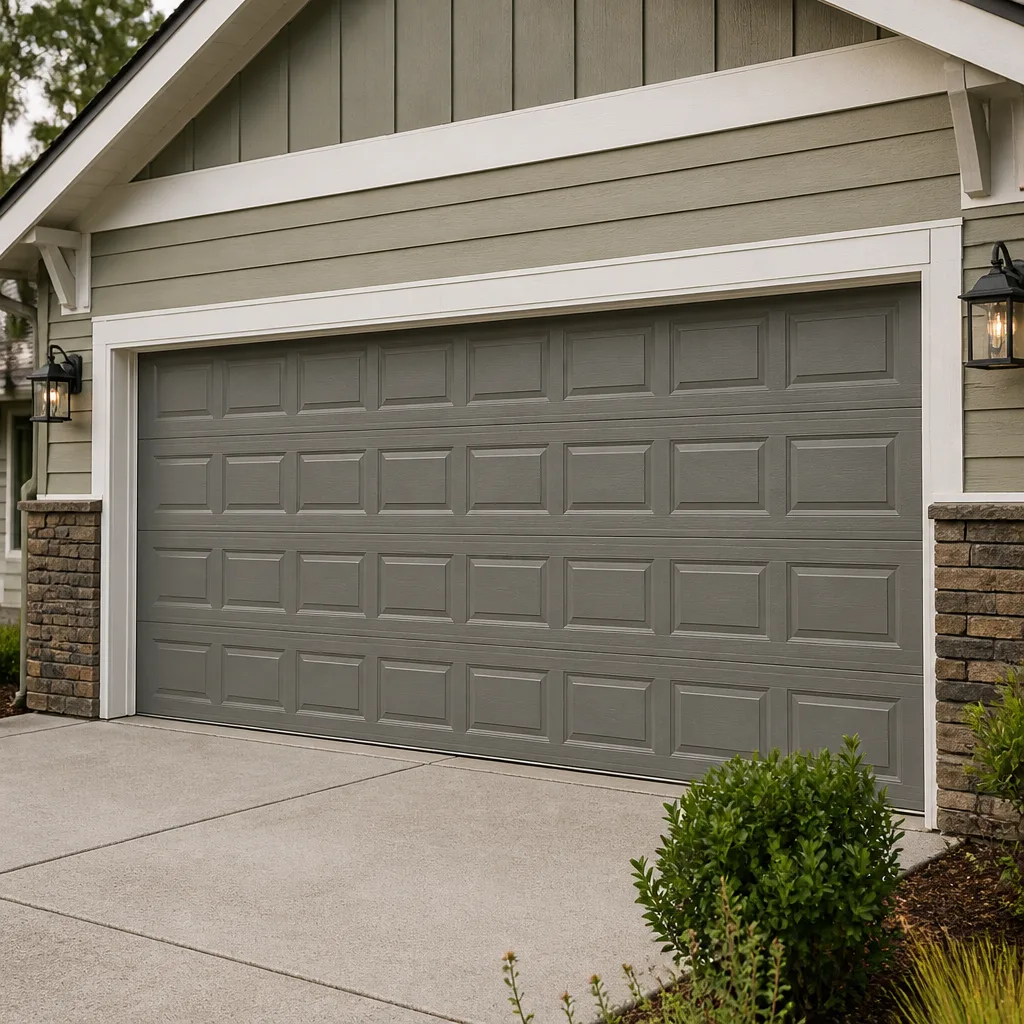 Raised-panel steel
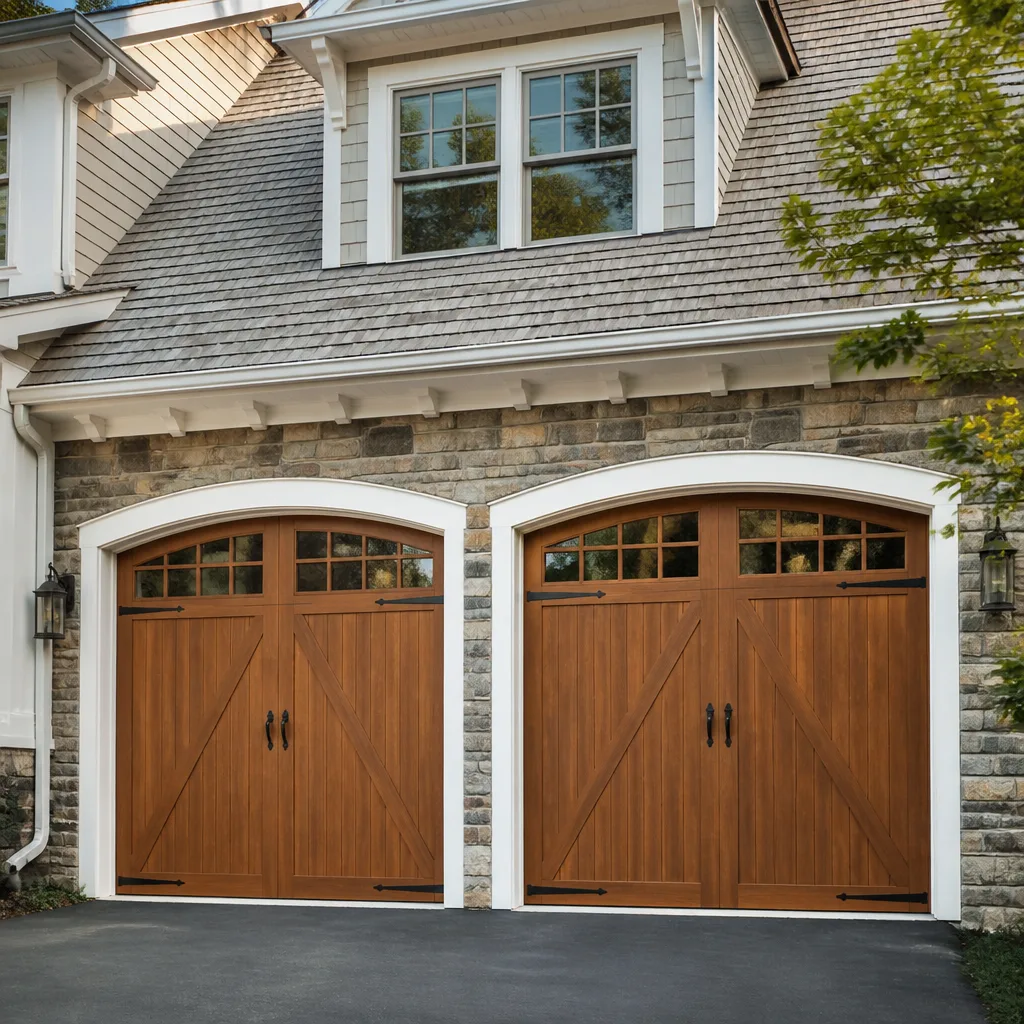 Carriage house
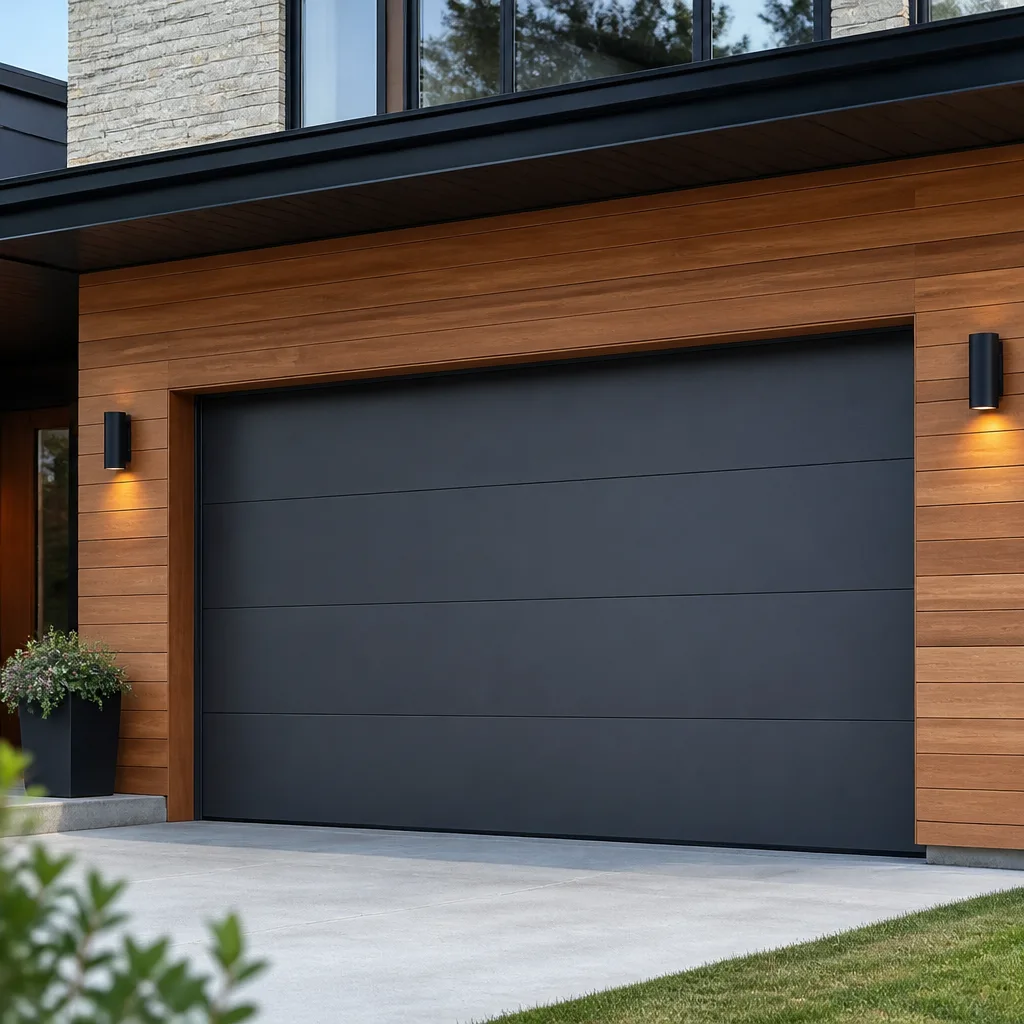 Modern flush
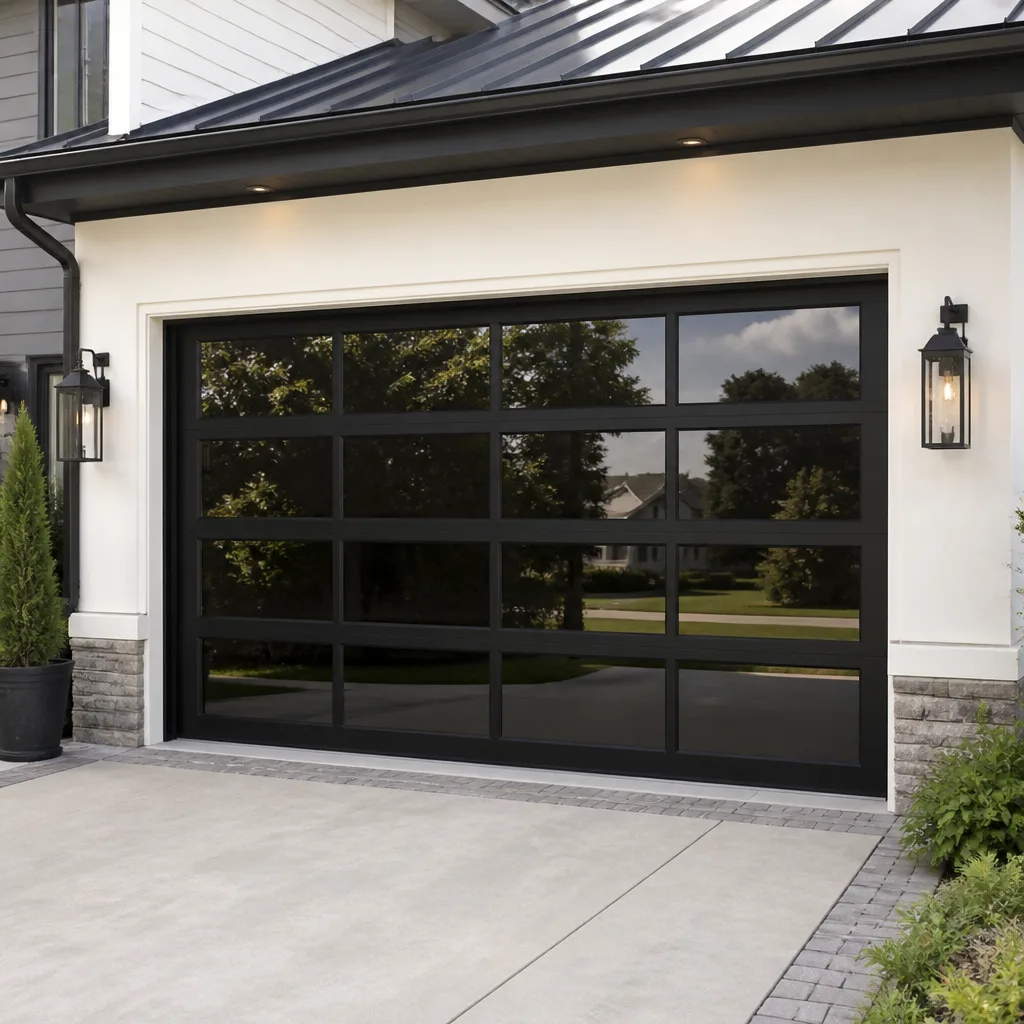 Full-view glass
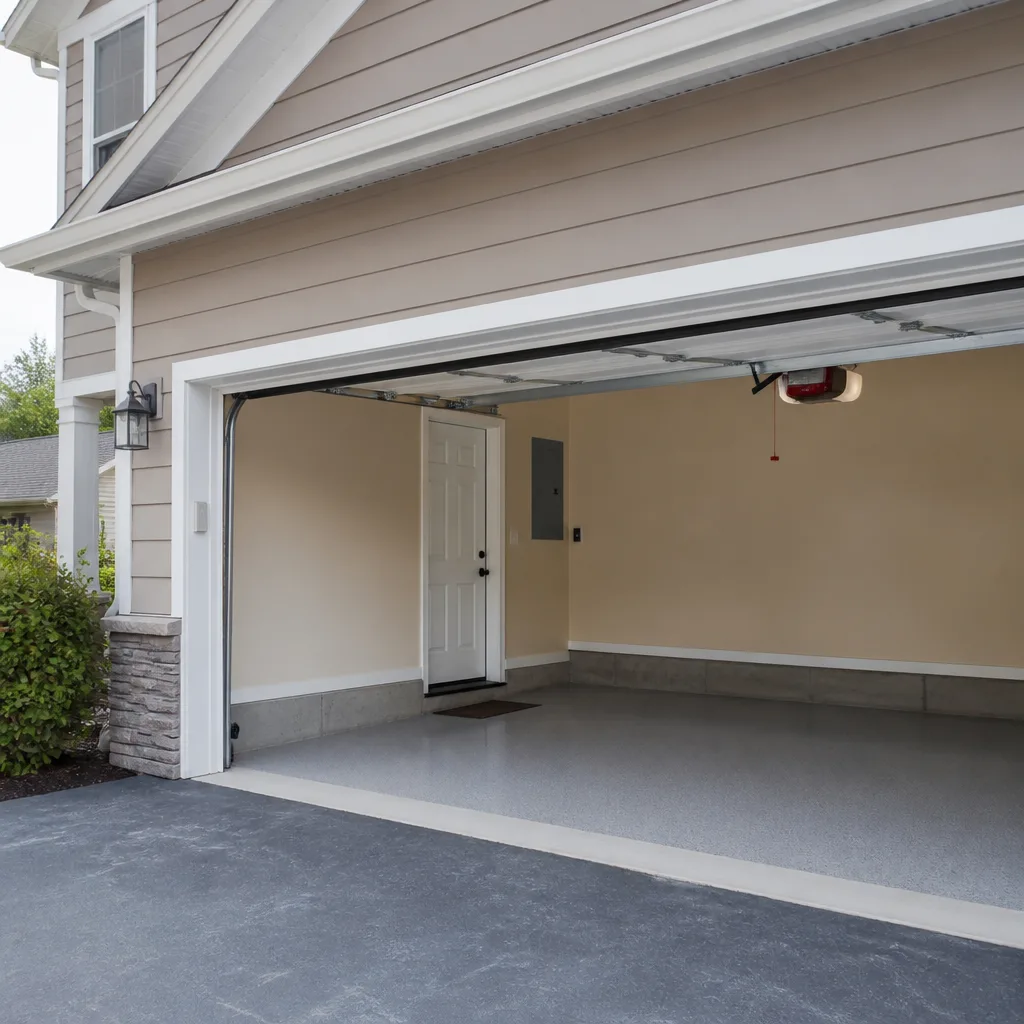 LiftMaster openers
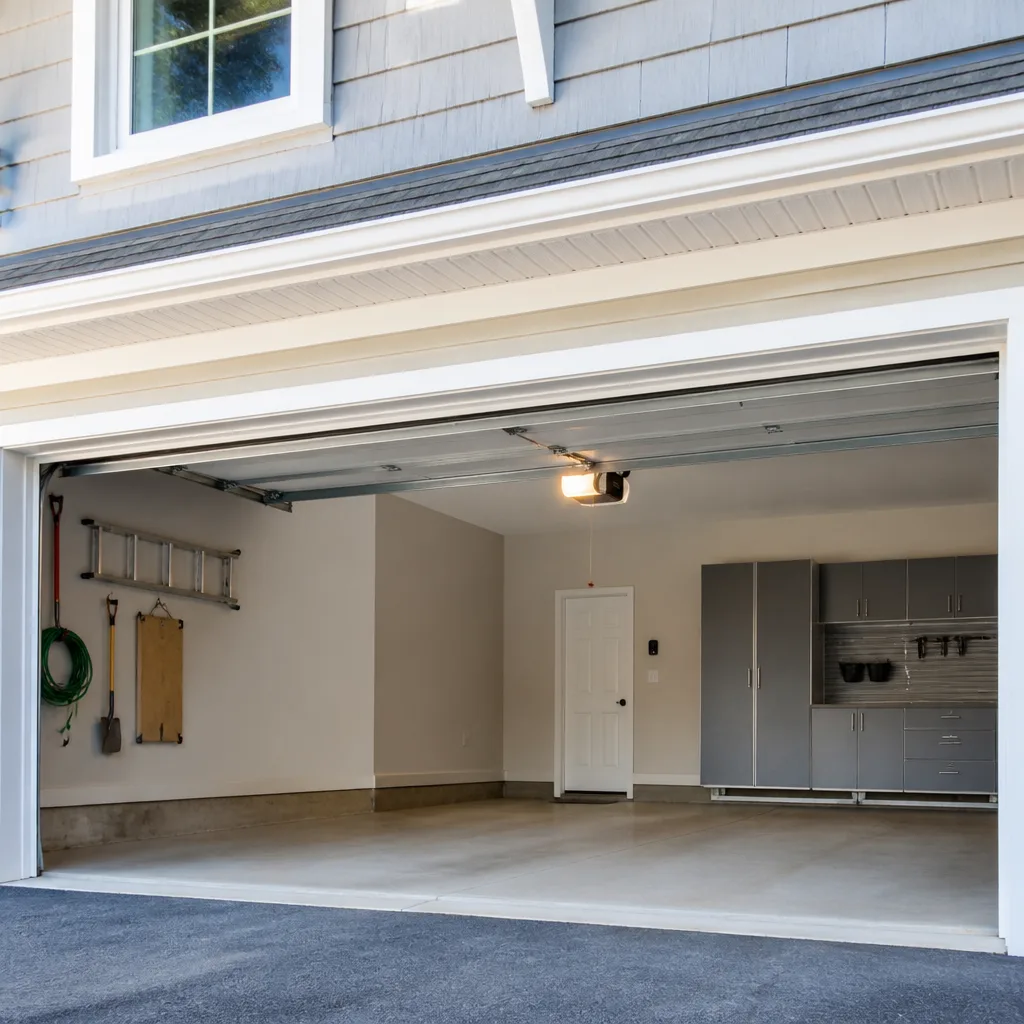 Chamberlain openers
Full 25-point door and opener safety check with every visit - springs, cables, rollers, tracks, and your LiftMaster or Chamberlain opener included
You get a price before we start. It does not change when the pro arrives.
Get your free estimateChoosing the Right Garage Door Brand: A Buyer’s Guide for Paradise
A steel door rated “excellent for durability” by a reviewer in Ohio can show finish delamination within three summers in Paradise. Not because it’s a bad door, but because the testing conditions that earned that rating look nothing like a 110°F Nevada driveway. Brand reputation in garage doors gets built on national averages, and those averages quietly assume a temperate climate with mild summers and gentle temperature swings. Paradise doesn’t offer those conditions. This guide sorts the major brands by what actually matters here: heat resistance, UV stability, insulation performance, and how the opener holds up in a garage that bakes through July. You’ll learn how to read a climate rating, which specs to require in a quote, and where the real tradeoffs sit between entry-tier and premium brands.
Quick Answer
For a Paradise home, the right garage door brand is the one whose finish system, steel gauge, and insulation core are rated for sustained heat and high UV exposure, not the one with the biggest following in national reviews. Amarr and Clopay entry-tier doors make sense for tight budgets if the finish specs hold up, while Wayne Dalton and Raynor premium lines justify their cost through durability over a Paradise ownership cycle. The door brand and the opener brand should be chosen separately, and for heat, LiftMaster and Chamberlain units tend to hold up best in a garage that runs hot.
Styles & brands we work with
- Raised-panel steel
- Carriage house
- Modern flush
- Full-view glass
- LiftMaster openers
- Chamberlain openers
Table of Contents
- How to Read a Garage Door Climate Rating
- Insulation Cores: Polyurethane vs. Polystyrene in Desert Heat
- Steel Gauge and Finish Coating: The Specs That Survive Paradise UV
- Budget vs. Premium Brands: Framing the Cost Around Paradise Ownership
- Why Door Brand and Opener Brand Are Separate Decisions
- What We See Across the Major Brands
- A Step-by-Step Way to Choose
- Common Mistakes to Avoid
- When to Call a Professional
How to Read a Garage Door Climate Rating
A manufacturer’s climate rating tells you what conditions the door was tested in, not what your garage door faces in Paradise. That’s the gap most buyers miss. When a spec sheet says “extreme heat,” it usually means a lab cycle that pushes a section to a high temperature for a defined period, then a thermal swing, then a humidity bake. The test is real and the data is useful, but it’s a repeatable lab protocol, not a summer in a Nevada driveway where the door sits in direct sun for hours and the surface temperature runs well above air temperature.
Here’s how to read the ratings without getting fooled:
- Lab “extreme heat” is a cycle, not a season. Ask what the test cycle was (hours at temperature, number of swings). A protocol built around a few short peaks doesn’t test sustained heat the way a Paradise August does.
- Humidity testing doesn’t map to dry desert air. Many finish tests bake in humidity to check corrosion. Paradise air is dry for most of the year, so corrosion cycles over-weight a risk you barely face and under-weight the UV exposure you face every day.
- UV hours matter more than the “extreme heat” label. A finish system rated for high sun exposure tells you more about how it will hold up in Paradise than a heat-only rating.
- Color changes the test. A dark-colored door absorbs far more heat than a white or light-tan one. A rating that’s fine on a light door may not hold on a dark one, so match the rating to the actual color you’re buying.
In practice, we treat a manufacturer’s climate rating as a floor, not a promise. A door that clears a heat test but skips a UV-hours spec still deserves a hard look. If you’re comparing two doors at a similar price, the one with the clearer finish and UV documentation is the safer pick for Paradise. When you’re ready to have a specific model checked against your exposure, our team can walk through the specs with you.
Insulation Cores: Polyurethane vs. Polystyrene in Desert Heat
The insulation core decides two things: how much heat reaches the inside of your garage and whether the door stays structurally sound after years of thermal cycling. In Paradise, both matter. A west-facing garage can turn into an oven by late afternoon, and if the door is the only barrier, the core is doing the heavy lifting.
The two cores you’ll see in residential doors behave differently in sustained heat:
- Polyurethane foam has a tighter, denser cell structure, so it insulates with less thickness. In a desert garage it resists heat transfer well and holds its shape through repeated heating and cooling. It costs more, but it’s the core we’d point most Paradise homeowners to for an attached garage where the door faces afternoon sun.
- Polystyrene (beadboard or foam board) insulates well for the price but has a looser structure. Under sustained heat and daily thermal swings it can sag, gap at the panel edges, and lose some of its performance over time. It’s a reasonable choice for a detached shop, a rental, or a garage that isn’t part of the living space.
The energy-bill angle matters too. A poorly insulated door lets heat radiate straight into the garage, and if that garage shares a wall or a ceiling with conditioned rooms, your home’s cooling system absorbs the difference. A better core doesn’t just feel better in the garage; it eases the load on the house. The catch is that a great core inside a thin, flimsy steel skin still underperforms, which is why the next section on gauge and finish is worth reading before you commit.
One more Paradise note: the thermal swing here is real. Winter nights get cold and summer afternoons get hot, and a door that expands and contracts that much every year stresses its own joints. A core that stays stable through the swing protects the whole panel, not just the insulation value.
Steel Gauge and Finish Coating: The Specs That Survive Paradise UV
Finish failure is the number one cosmetic complaint we deal with on Paradise doors, and it’s almost always a UV story. The desert sun breaks down cheap coatings over a few years, and once the finish starts to chalk, fade, or delaminate, the steel underneath is exposed to everything else. Two specs decide whether a door holds its color and surface: steel gauge and the finish system.
Steel gauge is the metal thickness. Lower gauge numbers mean thicker steel. For a residential door in Paradise, we’d push you toward thicker 24-gauge or better on the panels and a reinforced or double-wall design on any door facing long afternoon sun, because thin steel dents and warps more easily and holds heat differently across the panel face. Entry-tier doors often use 26 or 27 gauge, which is fine for a well-shaded or rarely used door but works harder everywhere else.
Finish system is where desert doors win or lose. Here’s what to require in a quote:
- Ask for the coating spec in writing. A base coat plus a top coat with documented UV resistance is the minimum. A single-coat or “pre-painted” line with no finish spec is a red flag for Paradise.
- Require a colorfast warranty for the finish, separate from the structural warranty. Structural warranties often run long while the finish warranty is short. Read both. A finish that fades fast isn’t covered by a structural guarantee.
- Match the color to the exposure. A white or light-colored door reflects heat and protects its own finish. If you want a dark color, ask what finish system the manufacturer recommends for that color in high-UV areas.
- Look at panel texture and embossing. A printed woodgrain finish and a smooth steel face age differently in the sun. Ask which is rated for long sun exposure in that color.
- Confirm the warranty terms for your application. Heat, sun, and finish coverage don’t always apply the same way in a hot, dry climate. The written estimate should note which finish and structural terms apply.
Doors we see from Amarr and Wayne Dalton in the mid and upper ranges consistently handle the Paradise sun better than the cheapest tiers, because their finish systems are documented and their panels are thicker. A cheap door that needs replacing in a handful of years costs more than the quote on the invoice. If a finish is already failing on a door you own, get the damage assessed before it spreads; that’s the kind of thing covered on our garage door repair page.
Budget vs. Premium Brands: Framing the Cost Around Paradise Ownership
Most buyers frame this as purchase price. In Paradise, the smarter frame is ownership cost, which is purchase price plus what the door costs you in upkeep, energy, and replacement timing. The gap between the tiers is real, but it’s not as wide as the sticker suggests once you do the math on a desert sun exposure.
Entry-tier brands (Clopay, Amarr and similar lower lines)
These are honest, widely installed doors that cover a lot of homes. A mid-range Amarr or a Clopay entry door, well specced with the right finish and a decent core, is a reasonable buy for a shaded or secondary garage. The tradeoff is that at the bottom of the line, you sometimes get thinner steel, a shorter finish warranty, and a hand that betrays the budget a few summers down the road. That’s not a reason to skip the tier; it’s a reason to buy the top of the budget tier rather than the floor of it.
Premium brands (Wayne Dalton, Raynor and similar upper lines)
Where premium brands earn their price in Paradise is on the finish system and panel construction. Better coating, thicker steel, tighter tolerances, and a documented heat-and-UV spec mean fewer trips out to fix a door and a longer window before you’re buying again. Wayne Dalton and Raynor both have lines that hold up well here when the finish spec matches the exposure.
| Decision | What to weigh |
|---|---|
| Detached shop or rental | Entry-tier is often enough if the core and finish are honest |
| Attached, west-facing garage | Premium finish system and polyurethane core pay off fastest here |
| Dark color on a sunny wall | Require a specific finish rating for that color; don’t assume the base line clears it |
| Very long ownership horizon | Premium brand with a documented finish warranty beats a cheap door replaced sooner |
The takeaway: buy the best-in-tier rather than the cheapest-in-tier for a Paradise door, and let the finish and core drive the choice. The brand matters, but the spec inside the brand matters more.
Why Door Brand and Opener Brand Are Separate Decisions
A lot of buyers assume they should buy the door and opener from the same brand. In reality, they’re two different products with different failure modes, and in Paradise they should be evaluated separately. The door is a passive structure fighting heat, UV, and thermal swing. The opener is an electronic and mechanical unit running in a garage that can run very hot, and its survival depends on how well it’s built for heat and how well it’s matched to the door.
Why the opener runs hotter here
Openers live over the door, which means they sit in the hottest part of the garage and they operate in a lot of heat. A garage that bakes all afternoon is a hard life for a motor and a circuit board. Belt-drive and screw-drive units from LiftMaster and Chamberlain tend to hold up well in high-heat environments, and modern smart openers from those lines have the thermal protections that matter. That said, brand alone doesn’t save an opener that’s undersized for a heavy door. A premium double door with a thick steel panel needs an opener rated for the door’s weight and cycles. Pairing a light-duty opener with a heavy door in a Paradise garage is a fast route to repeat repairs.
What to evaluate on the opener side
- Rated door weight and cycles. Match the opener to the door, not just to the home’s size.
- Drive type. Belt-drive is quieter and easier on the airframe; screw-drive is simple and durable. Both are fine in heat when specified correctly.
- Safety features. Auto-reverse and a working safety sensor aren’t extras. They’re the reason a door doesn’t come down on a person or a car.
- Battery back-up. Worth having if you’ve ever been stuck outside after the power went out.
- Smart features. Nice to have, not a reason to pay for a piece of a modern brand if the base unit is undersized.
Where this gets practical: if your existing door is solid and the opener is dying, replace the opener, not the door. If the door is failing and the opener is sound, keep the opener and fit the door to it. Both are handled by the same provider, and both can be diagnosed on the same visit. If you want the opener checked, that’s covered on our garage door opener repair page. For either repair, the price is quoted and agreed before any work starts, so there’s no invoice surprise.
What We See Across the Major Brands
We work across the brands that show up most in Paradise homes, and that breadth is the reason we can give you a straight answer instead of steering you toward whatever one brand pays the best. Our technicians have up to 8 years of experience working on equipment from LiftMaster, Chamberlain, Genie, Clopay, Amarr, Wayne Dalton, Craftsman, and Raynor. That covers both legacy systems and current ones, so a home with an older Craftsman opener and a home with a modern Chamberlain smart unit both start from the same place: a diagnosis, not a sales pitch.
What we’ve seen in Paradise, brand by brand:
- Raynor and Wayne Dalton premium and mid lines tend to hold finish and panel geometry well through the seasonal swing. When specced with the right core, they’re the least likely to come back for finish complaints.
- Amarr entry and mid doors cover a wide range of homes and budgets. A well-specced Amarr is a sensible buy; the finish spec is the deciding factor.
- Clopay offers a very broad line, which is also the trap. Two Clopay doors at the same price can carry very different finish and gauge specs, so read the model sheet.
- Craftsman has decades of units in the field. An older Craftsman opener is usually serviceable well past the point a homeowner expects.
- LiftMaster, Chamberlain, and Genie are the openers we see most, and the one area where brand alone doesn’t decide is opener health in heat. A correctly sized unit from any of these three will outlast an oversized load on a poorly matched one.
Here’s the honest point: garage doors are all we do. Every service call, every technician, every tool is built for door and opener work, not squeezed in between other trade jobs. That’s why the brand question usually comes down to the spec on the door in front of us, not a brand-wide rep. We work on the brand you already have, and we repair first, replace only when it makes sense.
A Step-by-Step Way to Choose
Here’s the process we’d walk a Paradise homeowner through, in order:
- Start with the garage’s exposure, not the brand. Which direction does the door face? How many hours of direct sun? Is the garage attached or detached? This determines your finish and core requirements before you look at a single brand.
- Set the core from the garage’s function. Attached and used daily: polyurethane. Detached shop or rental: polystyrene can make sense if the finish is honest.
- Set the minimum steel gauge and finish spec. Thicker panels and a documented UV-resistant finish system are the floor, not the upgrade.
- Now compare brands inside your spec. Take the requirements from steps 1 through 3 to a quote and compare like for like. This is where Amarr vs. Wayne Dalton vs. Raynor actually gets decided.
- Evaluate the opener separately. Match it to the door’s weight and cycles. Consider LiftMaster, Chamberlain, or Genie, and size the unit up if the door is heavy.
- Get the written estimate. The written quote sets the final price. Compare finish and structural warranty terms side by side, not just the total.
- Plan the repair-vs-replace call. If the door is sound and the opener is dying, replace the opener. If the door is failing and the opener is fine, replace the door. Don’t let a quote for one turn into a quote for both unless the diagnosis supports it.
This process keeps the brand decision in its place. Brand reputation is a useful signal, but the right spec for a Paradise garage decides the brand, not the other way around. If you’re not sure which step you’re on, that’s a good time to talk to a specialist. You can start from our Belmont Garage Door Service page to see how the pieces fit together.
Common Mistakes to Avoid
- Buying on a national review score. A door rated “excellent for durability” worked for the reviewer’s climate, not yours. Check the finish and UV specs against a Paradise sun exposure before the review score sways you.
- Assuming “extreme heat” testing maps to a Nevada summer. Lab cycles aren’t seasons. Ask what the test actually did, then match it to the real exposure on your garage.
- Picking a dark color without checking the finish spec for that color. Dark doors absorb more heat. A finish that clears a light door may not hold on a dark one, so get the color-specific finish rating in the quote.
- Buying the same brand for door and opener for no reason. Door and opener are separate decisions. Size the opener to the door and check its heat tolerance on its own.
- Choosing the cheapest in a budget tier. The floor of the entry tier is where finish and gauge specs get thin. Buy the top of the tier instead of the bottom.
- Replacing a door when the opener is the problem, or vice versa. A single visit can diagnose both. Don’t let a failing opener become a door replacement.
- Skipping the written estimate and warranty details. The written estimate sets the final price, and the warranty terms differ by climate. Read both before you say yes.
See the difference
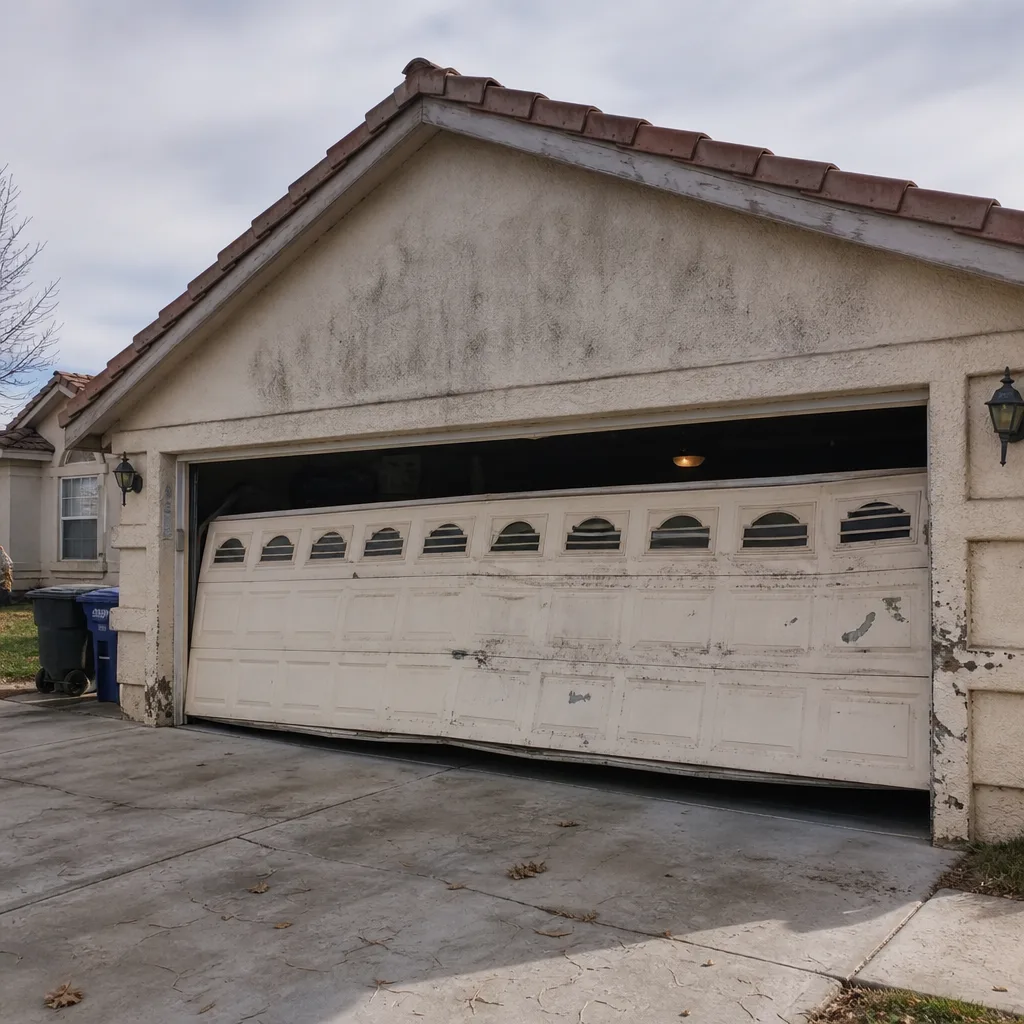 Before
 After
 Before
 After
 Before
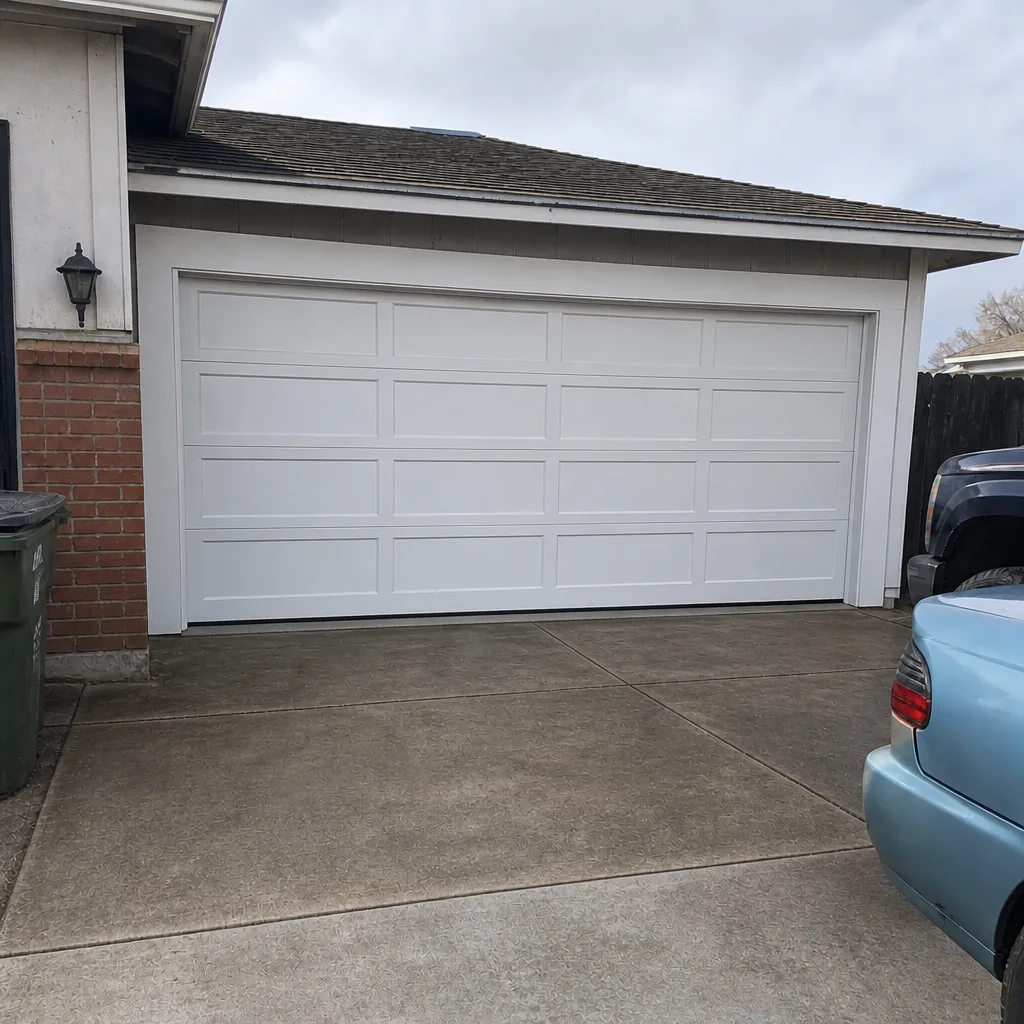 After
When to Call a Professional
Some brand and spec questions are answered on paper, and some need a pair of eyes on the actual door. Call a professional when the finish on your existing door is chalking, fading, or delaminating and you want to know whether it’s cosmetic or structural; when an opener is straining, running hot, or reversing for no reason; when you’re weighing a repair against a replacement and want the diagnosis before the quote; or when you’ve narrowed the brand and need the finish and gauge specs confirmed against your actual garage exposure. Torsion springs, cables, and the high-tension hardware on any door are dangerous to work on, and electric openers carry the same caution: a trained technician handles those safely, and we recommend it. Belmont Garage Door Service offers free estimates in Paradise. Call (844) 665-0023. We answer 24/7. Fast dispatch from 7am to 7pm, Sunday through Friday.
Frequently Asked Questions
There’s no single best brand for Paradise, but the doors that hold up best here share the same traits: a documented UV-resistant finish, thicker steel, and a core matched to the garage’s exposure. Wayne Dalton and Raynor lines with the right finish specs tend to do well on sun exposure, while Amarr and Clopay entry and mid lines are sensible buys when the spec is honest. Call (844) 665-0023 to have your specific model checked against your garage – estimates are free.
Read the test conditions, not just the label. A rating that says “extreme heat” tells you the door passed a heat cycle; it doesn’t tell you it faced sustained UV for years in a dry desert. Ask what the cycle tested (hours, swings, humidity) and whether there’s a separate UV-finish spec. If the finish spec is missing or vague, treat the rating as a floor, not a guarantee.
Yes, in an attached garage that faces afternoon sun. Polyurethane foam resists heat transfer with less thickness and holds its shape through repeated thermal swings better than polystyrene. Polystyrene can sag and gap at the panel edges over time under sustained heat. If your garage is detached or a shop, polystyrene is often enough.
No. Door and opener are separate products with separate failure modes, and in Paradise the opener works in a hot garage. Match the opener to the door’s weight and cycles rather than to the door’s brand. LiftMaster, Chamberlain, and Genie units tend to handle high-heat environments well when correctly sized.
Our roster covers most of the residential brands installed in Paradise homes: LiftMaster, Chamberlain, Genie, Clopay, Amarr, Wayne Dalton, Craftsman, and Raynor. That covers a very wide range of legacy and current systems, so most homes start with a diagnosis rather than a “we don’t service that brand” dead end. Call (844) 665-0023 and we’ll confirm your model.
It depends on the garage. For a west-facing, attached, heavily used garage, a premium brand’s finish system and panel construction earn their price over a long ownership horizon. For a shaded or detached garage, a top-of-tier budget brand is often the smarter buy. The written estimate sets the final price, so compare the finish and structural warranty terms before you decide.
The Bottom Line
Brand reputation gets built on national averages, but a Paradise garage sorts brands by a different test. The finish system and steel gauge decide how a door survives the sun, the insulation core decides how your garage feels and how hard your home’s cooling works, and the opener is a separate decision sized to the door rather than matched by brand. Buy the top of your budget tier rather than the floor, read the finish and climate specs instead of the review score, and let the written estimate set the price. For brand-level detail across the doors and openers most Paradise homes run, see our Paradise page.
If the door or opener is already failing, get it looked at before the damage spreads. Call (844) 665-0023 for a free estimate. We answer 24/7. Fast dispatch from 7am to 7pm, Sunday through Friday. Our technicians have up to 8 years of experience, and every price is quoted and agreed before any work starts.
Written by the team at Belmont Garage Door Service.