
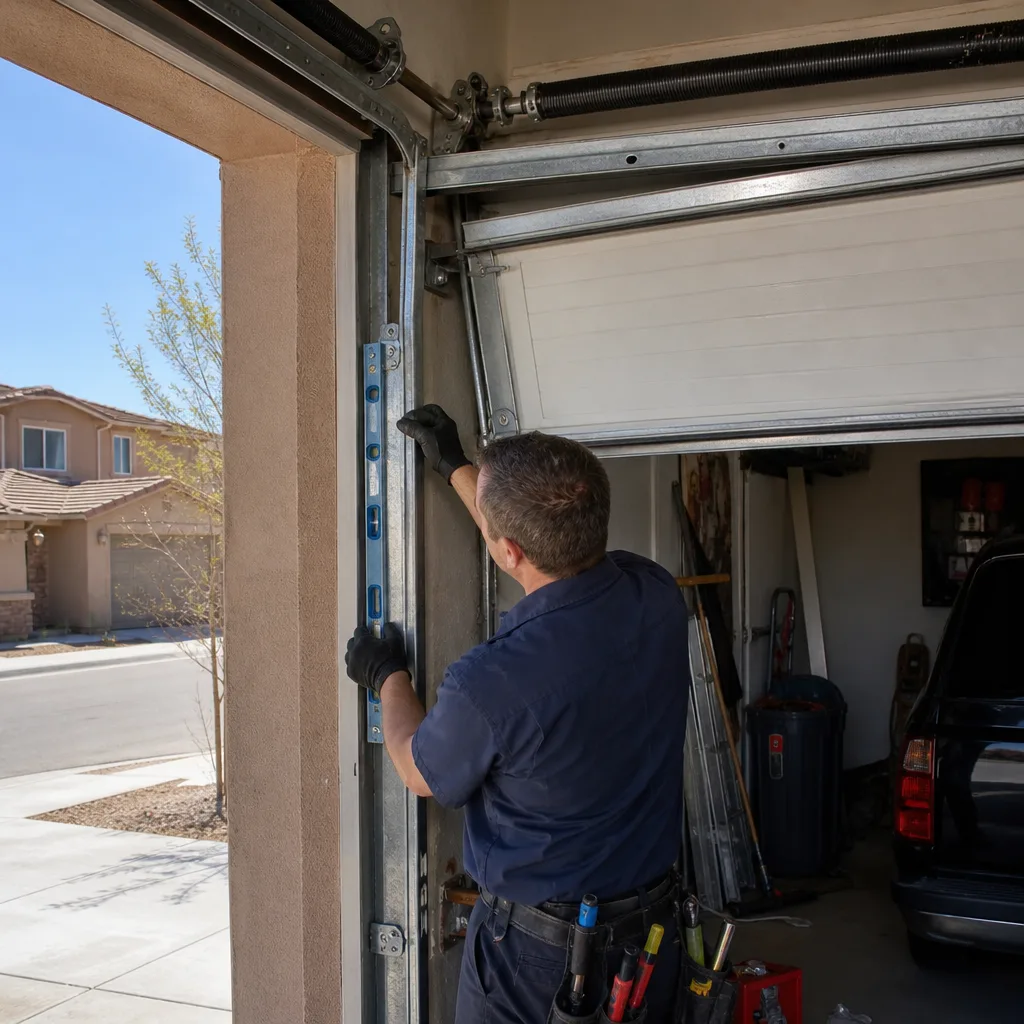
Last updated November 16, 2026
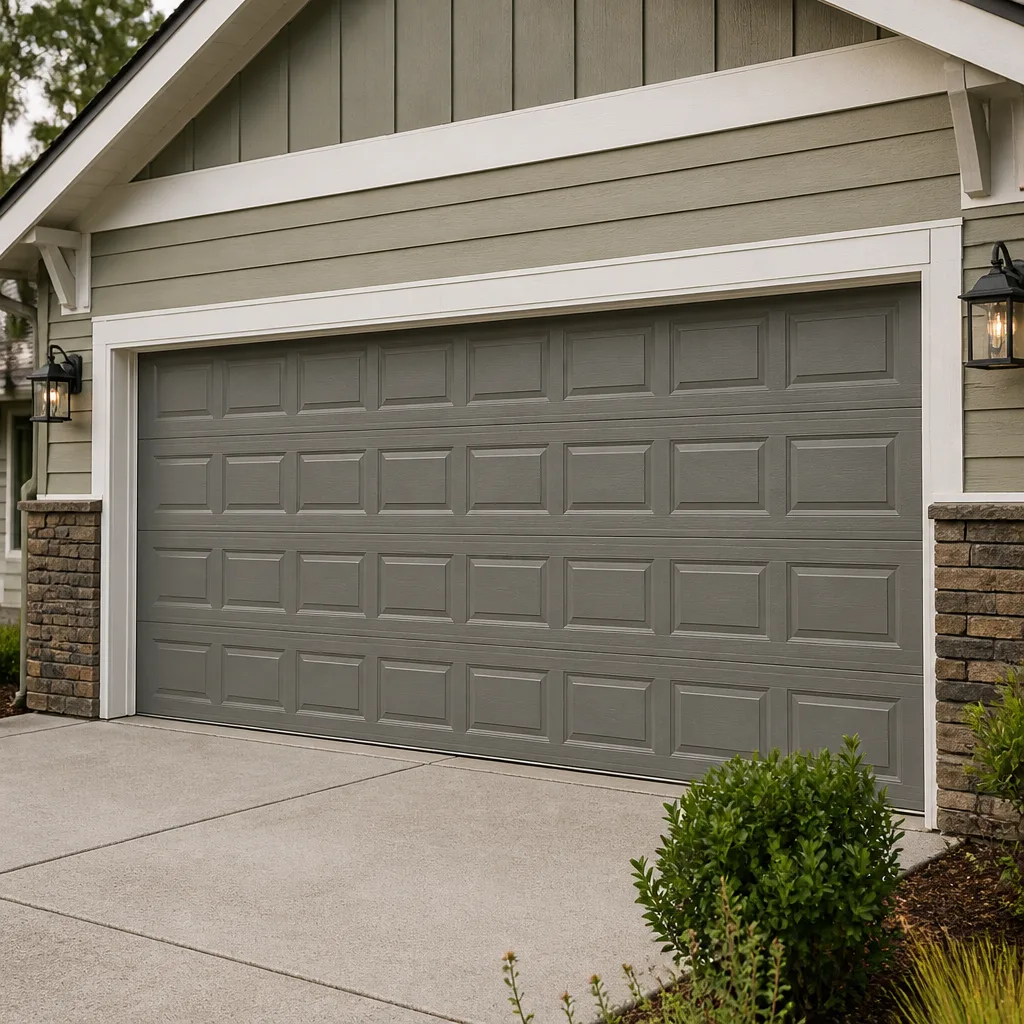 Raised-panel steel
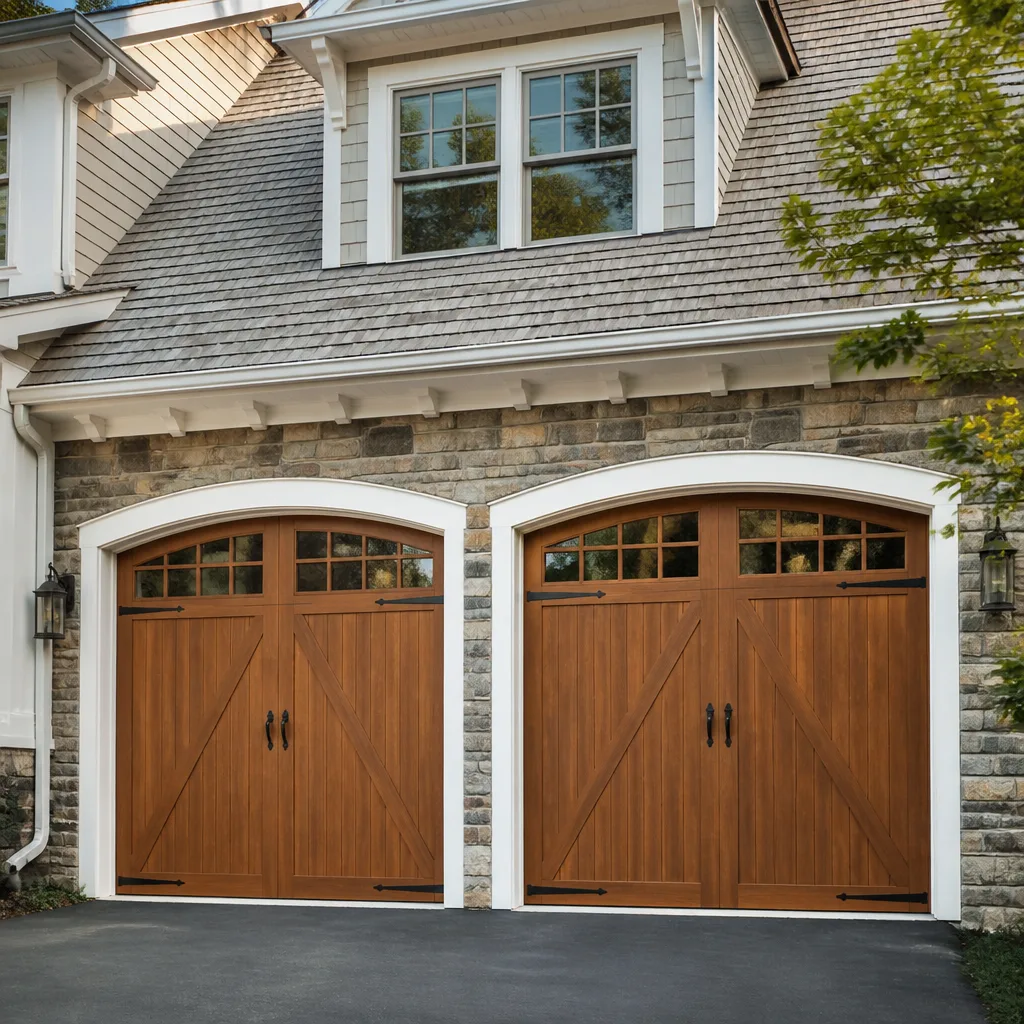 Carriage house
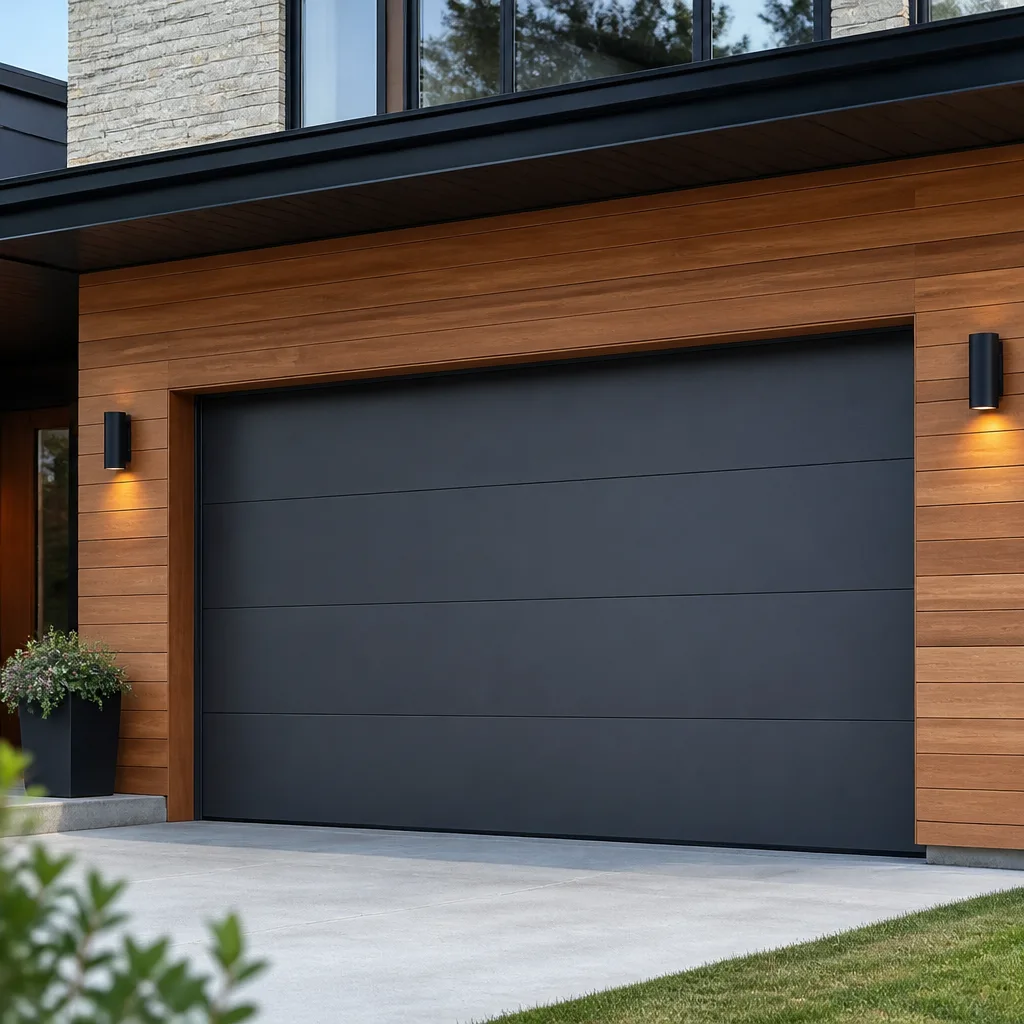 Modern flush
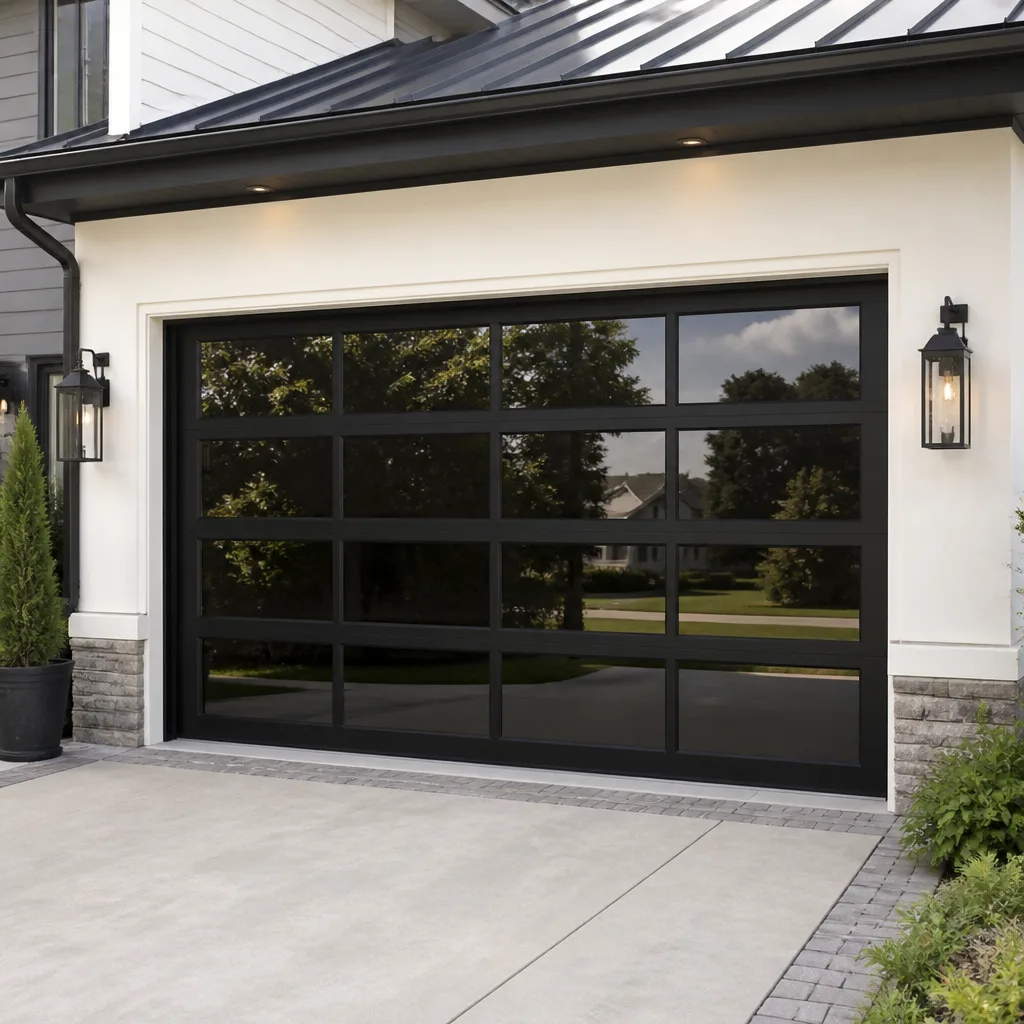 Full-view glass
 LiftMaster openers
 Chamberlain openers
Full 25-point door and opener safety check with every visit - springs, cables, rollers, tracks, and your LiftMaster or Chamberlain opener included
You get a price before we start. It does not change when the pro arrives.
Get your free estimateGarage Door Warning Signs: A Paradise Homeowner’s Reference Guide
A garage door that hesitates for half a second before it moves is easy to dismiss as just getting older. In Paradise summer heat, that hesitation is often a torsion spring that’s closer to snapping than the homeowner realizes. The dramatic failures get all the attention, but the subtle ones matter more here, because heat, UV, and desert dust wear down specific parts of a door in a specific order. This guide walks through the early indicators worth watching, the checks you can safely do yourself, and the point where a door needs a trained eye.
Quick Answer
The warning signs that matter most in Paradise are subtle ones: a door that moves slower at 3pm than at 8am, chalky or faded panel surfaces, a bottom seal that fails the one-inch gap test, and photo-eye sensors clouded by desert dust. These point to heat and UV wear on springs, seals, and electronics long before a door stops working entirely. Catch them early and most repairs stay small.
Styles & brands we work with
- Raised-panel steel
- Carriage house
- Modern flush
- Full-view glass
- LiftMaster openers
- Chamberlain openers
Table of Contents
- Why Your Door Behaves Differently in the Afternoon Heat
- Torsion Spring Warning Signs Most Homeowners Miss
- UV Degradation: What Faded Panels and Cracked Seals Are Telling You
- Desert Dust and Your Photo-Eye Sensors
- The One-Inch Gap Test for Bottom Seal Failure
- Cosmetic Dent or Structural Bend? How to Tell the Difference
- Opener Warning Signs: When the Motor Is the Problem
- A Seasonal Inspection Checklist for Paradise Homeowners
Why Your Door Behaves Differently in the Afternoon Heat
If a door glides smoothly at 8am and drags or stutters at 3pm, the difference isn’t your imagination and it isn’t random. Metal expands as it heats, and in Paradise the swing between a cool morning and a peak afternoon is wide enough to change how a door balances on its tracks and how much load the springs carry. A door that’s already marginal will show it first in the heat of the day.
Here’s what’s usually happening behind that pattern:
- Spring tension shifts with temperature. A torsion spring that’s lost some of its winding holds a cold door fine but struggles once heat adds friction to the system. The afternoon strain is the spring telling on itself.
- Track alignment changes. Metal tracks expand too. A track that’s slightly out of line can bind a roller once things warm up, then release as the evening cools.
- Lubrication thins out. Heat softens grease on hinges, rollers, and the torsion bar. What was slick at dawn gets tacky by mid-afternoon, and friction climbs.
- The opener works harder. A marginal opener with a tired capacitor will labor more when the door resists. That’s often the first place a heat-related problem shows up as a symptom.
None of this means a door is about to fail catastrophically. But a consistent afternoon pattern is one of the clearest early signals you’ll get, and it’s worth acting on before it turns into a door that won’t budge at all. If your door is already doing this, garage door repair can address the underlying cause rather than the symptom.
Torsion Spring Warning Signs Most Homeowners Miss
Torsion springs are the counterweight that makes a heavy door feel light, and they’re under enormous tension at all times. They also fail more often in hot climates, because repeated heating and cooling cycles fatigue the steel faster. The trick is that springs rarely fail without warning. They telegraph it, quietly, for weeks.
Watch for these signs:
- Slower movement on the way up. The door should rise at a steady pace. If it lags at the start or labors near the top, the spring is likely losing tension.
- A door that feels heavy when you disengage the opener. With the opener released, a balanced door should stay put when you lift it halfway. If it drops or feels like dead weight, the spring isn’t doing its job.
- A gap between spring coils. On a torsion spring, the coils should sit close together. A visible gap means the spring has stretched and is heading toward failure.
- A slight bang or pop on startup. Springs don’t just snap all at once. A faint noise at the start of travel is often the first sign that one is about to give.
A safety note worth taking seriously. Torsion springs and the cables they tension are dangerous to work on. A spring under load can release with enough force to cause serious injury, and the tools needed are specific to the job. This is one area where we’d always recommend a trained technician. A technician can check spring health, measure remaining tension, and replace a fatigued spring before it strands your door.
If a spring has already broken, don’t run the opener. Call and get it looked at. Our technicians have up to 8 years of experience with this exact failure, and it’s one of the most common calls we handle in Paradise.
UV Degradation: What Faded Panels and Cracked Seals Are Telling You
Paradise gets a lot of sun, and the garage door takes more of it than almost any other exterior surface on a house. UV exposure doesn’t just fade paint. It breaks down the materials that make up the door itself, bit by bit, in ways that look cosmetic for a long time and then stop being cosmetic.
Three areas degrade in a predictable order:
- Panel surfaces. Chalking, fading, and a fine crackle in the finish are the first visible signs. Steel panels lose their protective coating, which eventually opens the door to rust. Wood and composite panels dry out and can split.
- Weather seals. The rubber or vinyl strip along the bottom and sides of the door hardens and cracks in UV light. Once it stops flexing, it stops sealing, and dust and heat get in.
- Cable sheathing. The coating on the lift cables is also a UV target. Cracked sheathing exposes the steel inside, which then corrodes and weakens. This one matters because a weakened cable is a safety issue, not a cosmetic one.
The frustrating part is timing. Fading and early cracking happen slowly enough that most homeowners adjust to the look without registering it as a problem. By the time a seal is fully cracked or a cable’s coating is peeling, the wear has already reached the functional layer. Clopay and Amarr doors both use finishes that hold up well to sun, but no finish lasts forever in this climate. If your door is showing chalking or seal cracks, it’s worth a look before the next season of hard sun.
Desert Dust and Your Photo-Eye Sensors
The most common misdiagnosis in a Paradise garage isn’t a mechanical one. It’s electrical. A door that reverses for no apparent reason, or closes partway and then goes back up, is usually blamed on the opener when the actual culprit is a dirty photo-eye sensor.
Photo-eye sensors sit a few inches off the ground on each side of the door. They beam an invisible line across the opening, and if that line is broken, the door reverses as a safety measure. In a dusty environment, that beam gets interrupted by a film of dust on the lens, not by anything real.
Here’s how to check safely, without tools:
- Look at each sensor lens. A dull or cloudy film of dust is the usual problem.
- Wipe the lens gently with a soft, dry cloth. Never spray cleaner directly on the sensor.
- Check that both sensors point at each other. A bumped sensor tipped slightly out of alignment will cause the same reversal symptoms.
- If the indicator light on the sensor blinks after cleaning, the sensor is still not receiving a clear signal and needs a closer look.
If cleaning and alignment don’t fix it, the problem is likely in the wiring or the sensor unit itself. That’s where garage door opener repair comes in. A technician can test the sensor circuit and tell you whether you need a new sensor or whether the opener board is the real issue. Because we work on Chamberlain and Genie units alongside older Craftsman systems, we can diagnose both the mechanical and electronic side in the same visit, which saves you a second appointment.
The One-Inch Gap Test for Bottom Seal Failure
Most homeowners have never heard of this check, and it takes about 30 seconds. It’s the fastest way to tell whether your bottom seal is still doing its job or has quietly failed.
With the door closed, slip a coin or a thin ruler under the door at several points along its width and try to push it through. If it slides through easily, the seal has failed at that spot. A healthy seal should press against the floor firmly enough that nothing passes underneath without resistance.
Why it matters here: a failed bottom seal lets in the dust, insects, and heat that a garage is supposed to keep out. In a Paradise summer, a garage that can’t seal is a garage that gets baked. The seal also protects the door itself, because dust and moisture that get past it work their way into the tracks and rollers.
Check the sides and top too. Run your hand along the vertical seals and the top weatherstrip. Hard, cracked, or crumbling material means the seals are done. This is one of the least expensive fixes on a garage door, and it’s also one of the easiest to put off until a bigger problem shows up. If the seals are gone and your door is also showing spring or track issues, it often makes sense to handle all of it together rather than in separate visits.
Cosmetic Dent or Structural Bend? How to Tell the Difference
A dented panel is common. A bent one is a different problem. The two look similar at a glance, and confusing them is how homeowners end up replacing a door that could have been repaired, or repairing one that really needs replacing. Here’s how to tell them apart.
- A dent is localized. It’s a depression in one spot with the surrounding panel surface still flat and true. The door still travels smoothly and sits evenly in the opening.
- A bend involves the door’s structure. The panel line is out of plane, the door sits unevenly when closed, or you can see the panel’s framing strained. The door may bind or rub on one side as it moves.
- The gap test. Close the door and look along the sides. A door with a structural bend often shows uneven gaps between the door edge and the jamb, with a wider gap on one side than the other.
- Movement tells the story. Run the door up and down a few times. A cosmetic dent changes nothing about how it moves. A bent door usually stutters, scrapes, or pulls to one side.
Cosmetic dents are a straightforward repair or, in some cases, something to leave alone if the finish is intact. Structural bends are a different conversation, because a door that’s out of square puts extra load on the springs and opener. A Clopay or Amarr panel can often be matched and replaced if the rest of the door is sound, but a door with multiple bent panels and a strained frame may be better served by a new door.
The right answer depends on the door, not on a rule of thumb. Our approach is repair first, replace only when it makes sense. For a closer look at what a new door involves, the full service picture is on our main Belmont Garage Door Service page.
Opener Warning Signs: When the Motor Is the Problem
It’s tempting to blame the opener for every door problem, and just as tempting to ignore it when the door is the real issue. The useful skill is telling the two apart. The good news is that openers give fairly clear signals about their own health.
These point to the opener rather than the door:
- The door reverses at random, with no obstruction. Usually the photo-eye sensors, as covered above, but a failing logic board can cause it too.
- The opener hums but the door doesn’t move. That’s often a stripped gear or a worn drive, which is an opener repair rather than a door repair.
- The remote only works up close. Weak range points to the opener’s receiver or antenna, not the door.
- The opener runs but stops partway. If the door moves freely by hand with the opener disengaged, the problem is in the opener’s force settings or motor.
- A grinding or rattling sound from the motor unit. Mechanical wear inside the opener, distinct from the door’s own track noise.
The reverse test matters: disengage the opener and move the door by hand. If it moves easily and evenly, the door is fine and the opener is the problem. If it fights you, the door is the problem and the opener is just struggling to overcome it. Getting that distinction right saves money, because it tells you which part of the system actually needs work. A technician can run both tests in one visit and give you a straight answer.
A Seasonal Inspection Checklist for Paradise Homeowners
A short inspection a few times a year catches most of the problems above before they turn into failures. Nothing on this list requires tools or climbing. It’s all done from the floor with your eyes and hands.
- Listen at startup. A steady, quiet hum is what you want. Any bang, pop, or grind is worth noting.
- Watch the door travel. It should rise and lower evenly. Note any lag, stutter, or pull to one side.
- Check the springs visually. Look for gaps between torsion coils or, on extension springs, stretched or worn coils.
- Run your hand along the seals. Hard, cracked, or crumbling rubber means it’s time for replacement.
- Do the one-inch gap test. Coin or thin ruler under the closed door at several points.
- Wipe the photo-eye sensors. A soft dry cloth on each lens, plus a check that both point at each other.
- Look at the cables. Fraying or peeling sheathing is a stop-and-call sign.
- Check the panel finish. Chalking, fading, or surface cracks point to UV wear that will spread.
Do this after the hottest stretch of the year and again after the cool season, and you’ll have a running picture of how your door is holding up. It’s the single best way to avoid a breakdown at a moment that isn’t convenient. For a closer look at local service, see our Paradise page.
Common Mistakes to Avoid
- Ignoring the afternoon slowdown. A door that works fine in the morning and drags in the heat is telling you something. Waiting until it fails turns a small spring repair into a bigger one.
- Assuming every reversal is an opener failure. In a dusty climate, most random reversals are dirty or misaligned photo-eye sensors. Clean and align first, then call if the problem persists.
- Trying to work on torsion springs yourself. The tension in those springs is dangerous. This is the one check on the whole list where the right move is always to call a trained technician.
- Treating cracked seals as purely cosmetic. A failed bottom seal lets dust and heat into the garage and wears the door’s tracks and rollers. It’s a small fix with a real payoff.
- Replacing a door when a panel would do. One cosmetic dent on an otherwise sound door doesn’t call for a new door. Match the panel and keep the rest.
- Repairing a door that’s structurally out of shape. A door with a bent frame and uneven gaps will keep straining the springs and opener no matter how many small repairs you throw at it.
- Mixing up door noise and opener noise. Track rattle and motor grind sound similar from the driver’s seat. Knowing which one you’re hearing tells you what actually needs attention.
See the difference
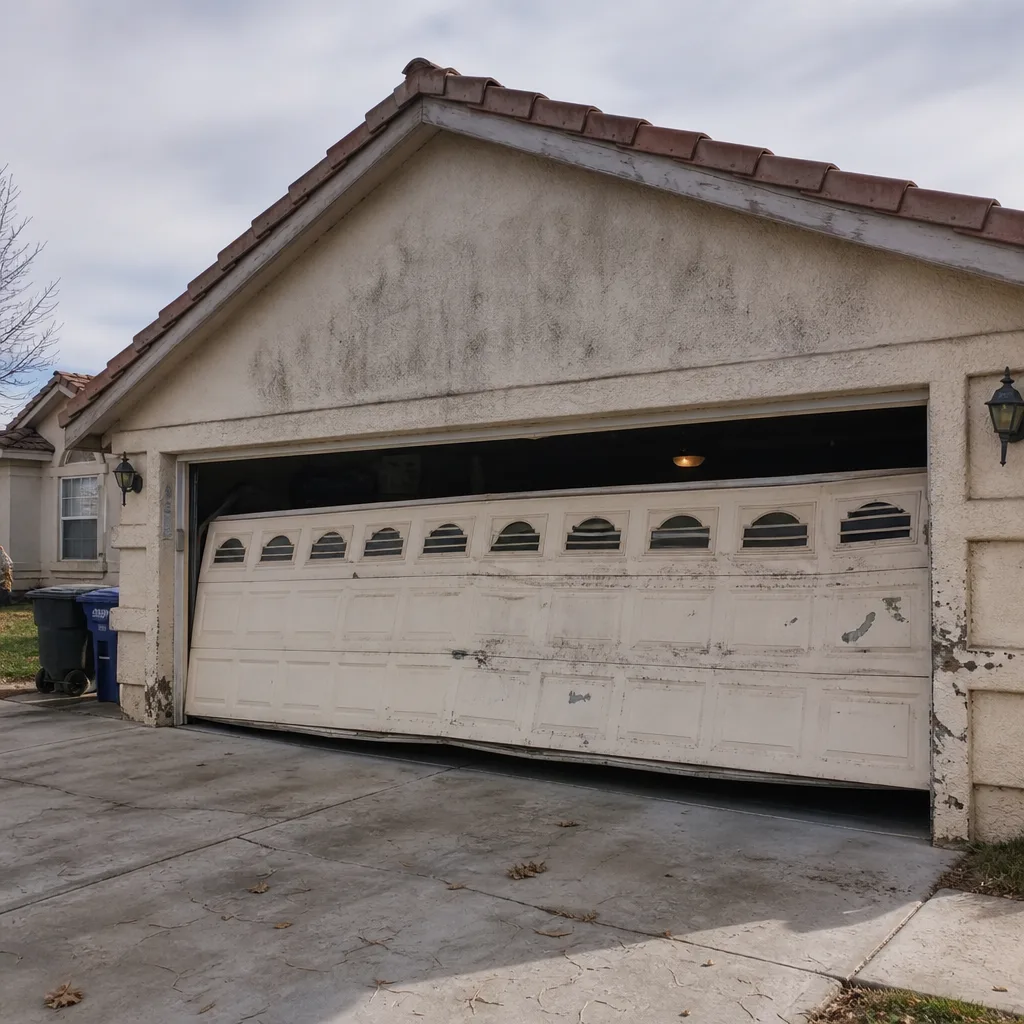 Before
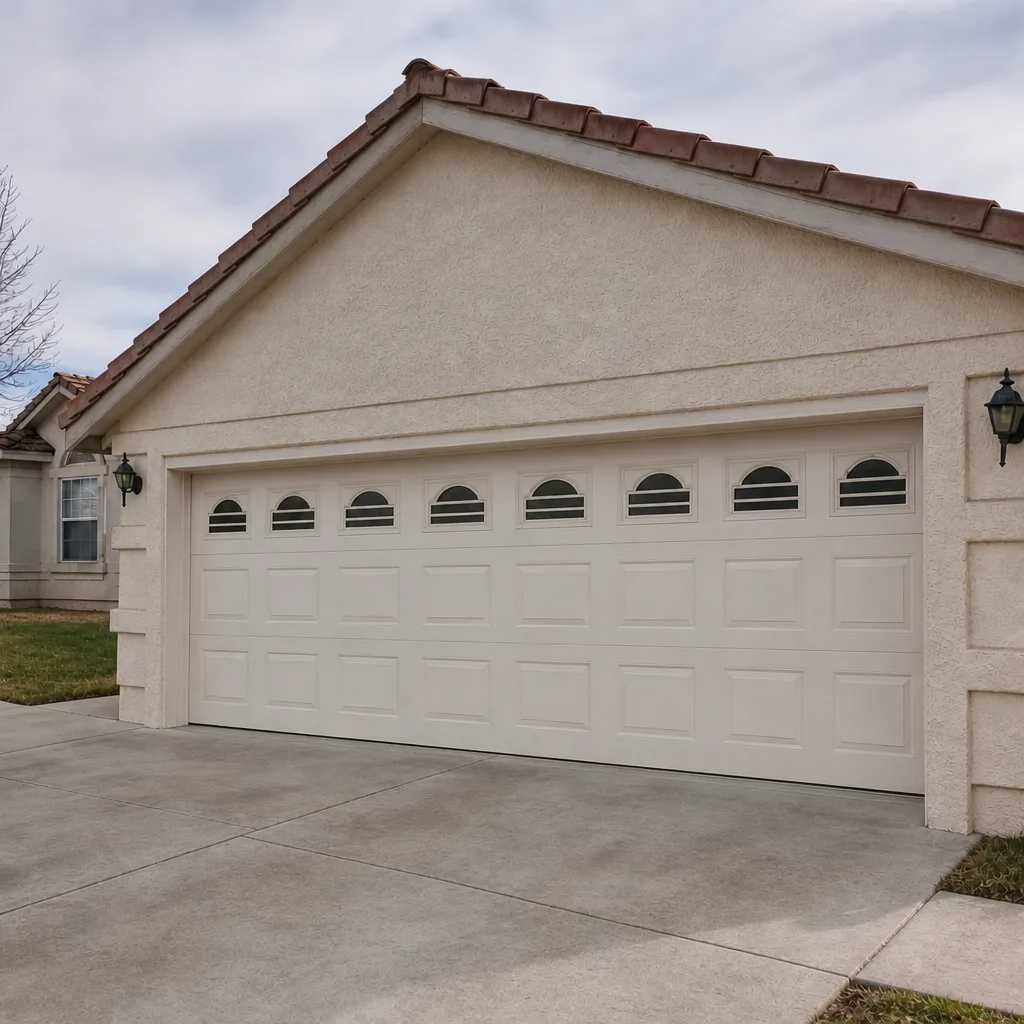 After
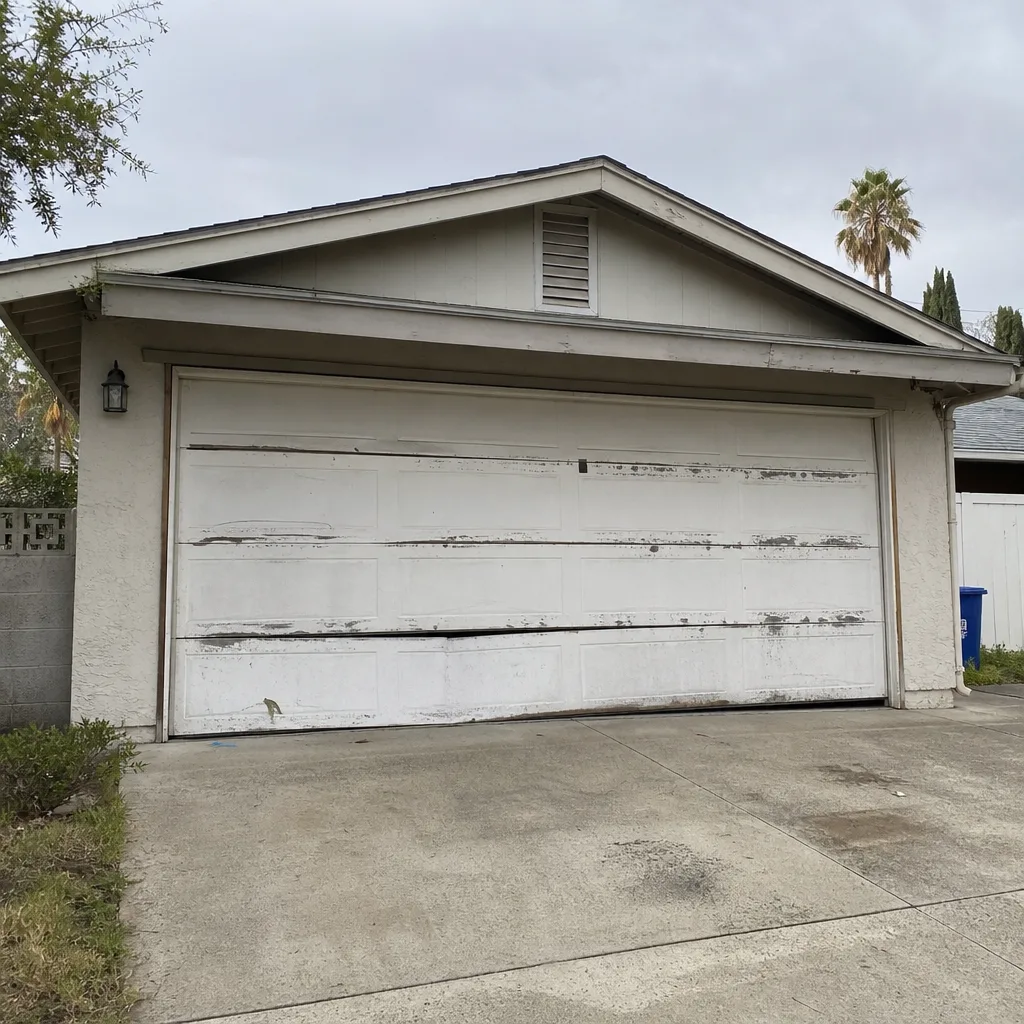 Before
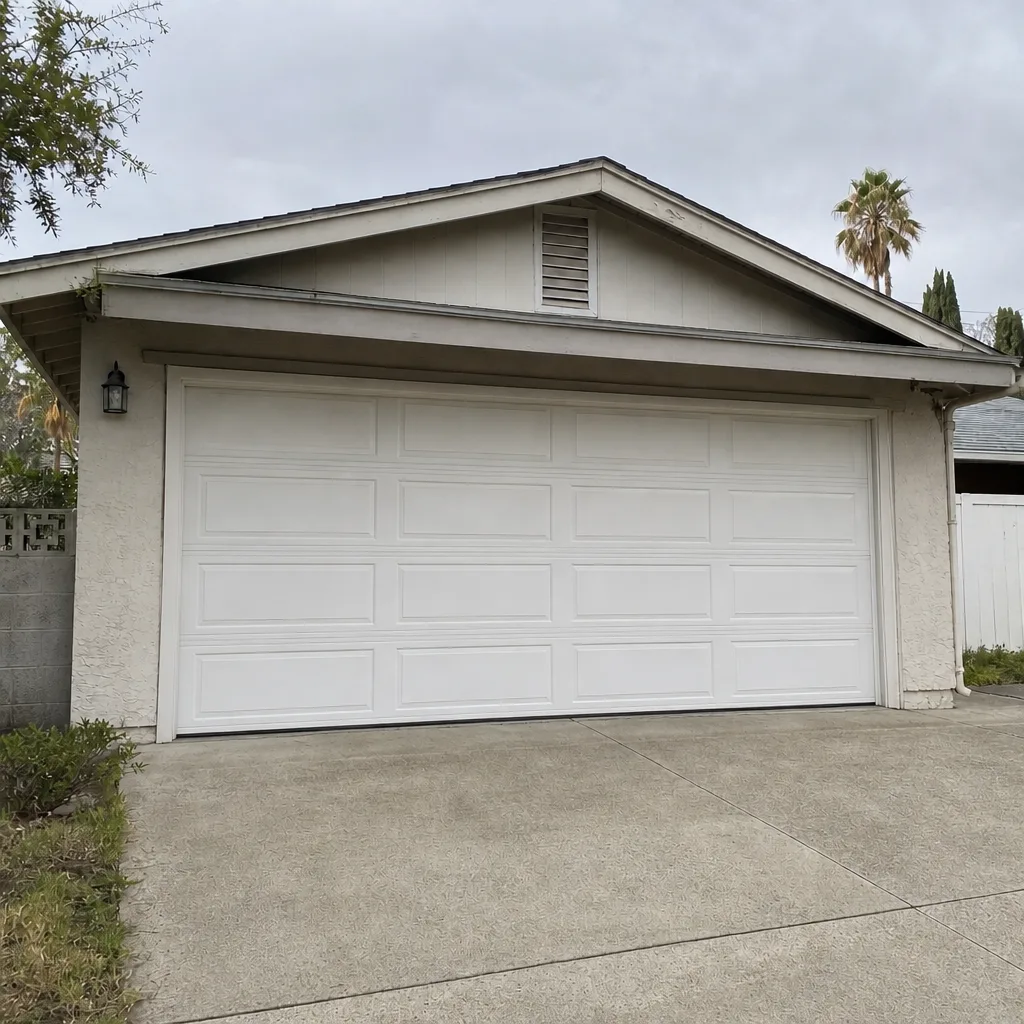 After
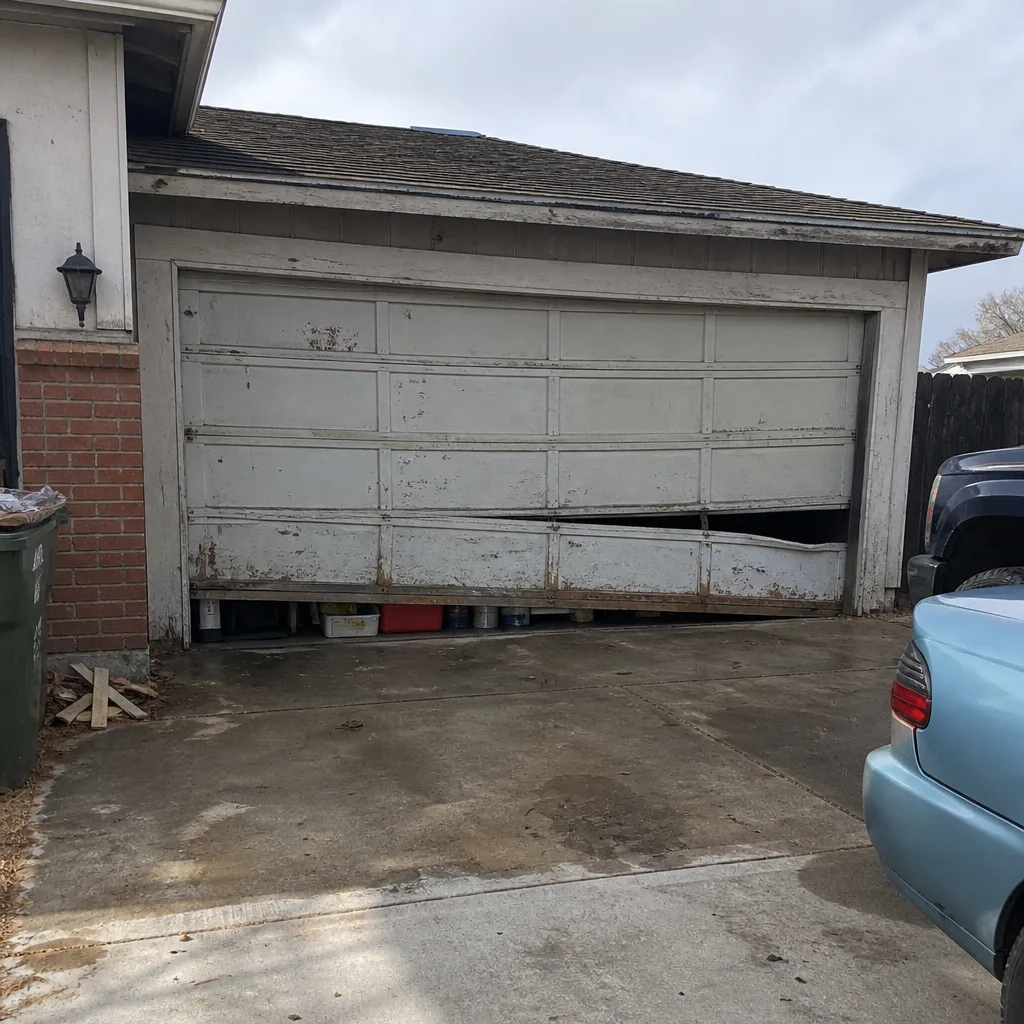 Before
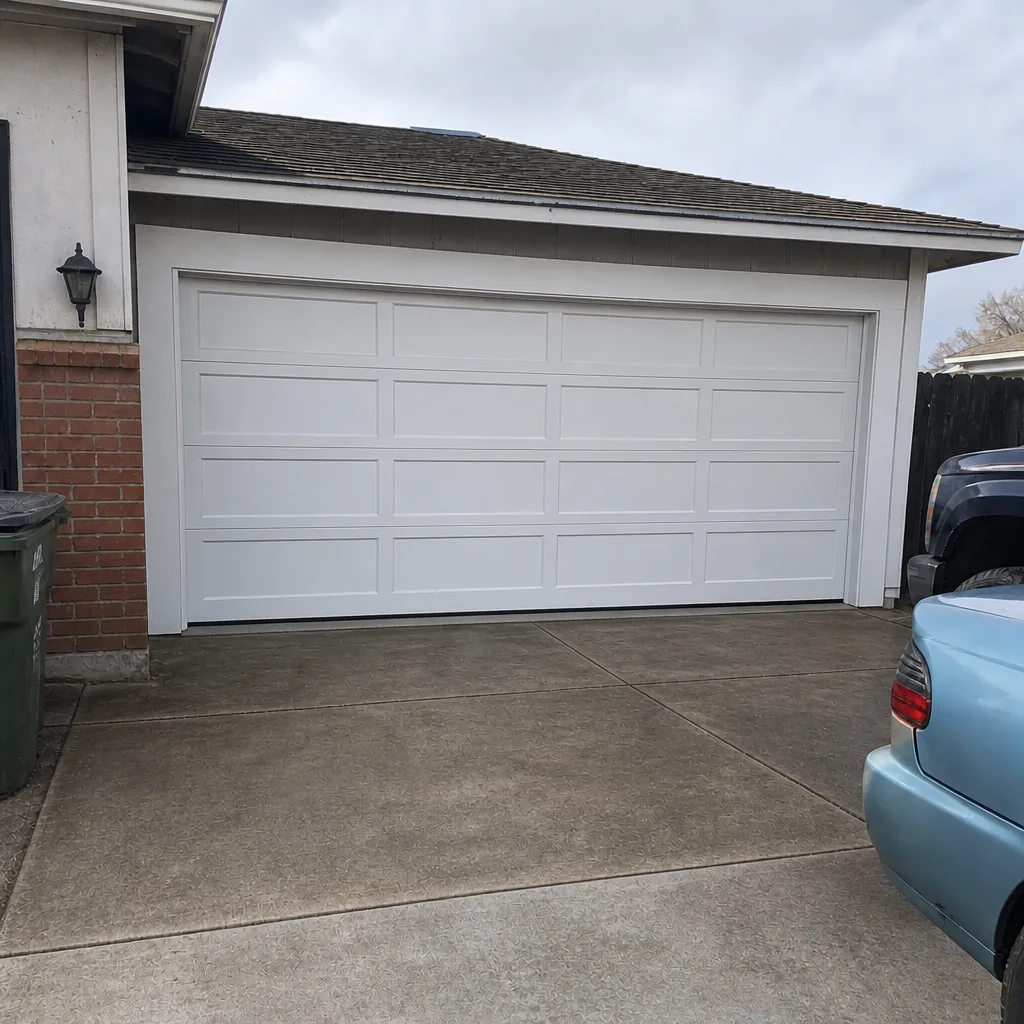 After
When to Call a Professional
Some signs are safe to check yourself. Others are the point to stop and call. Call us if a spring looks stretched or has a visible gap, if a cable is frayed or its sheathing is peeling, or if the door won’t stay up when you lift it by hand. Call if a door is binding on one side, if the opener hums without moving the door, or if a reversal keeps happening after you’ve cleaned and aligned the sensors. And call if you’re simply not sure, because a quick diagnosis costs nothing and often saves an expensive surprise. Belmont Garage Door Service offers free estimates in Paradise. Call (844) 665-0023. We answer 24/7, with fast dispatch from 7am to 7pm, Sunday through Friday, and we’re closed Saturday. You won’t get a quote that changes once a technician sees the job, because the written estimate sets the price before any work starts. Our technicians have up to 8 years of experience, and every job is quoted and agreed up front.
Frequently Asked Questions
The most common early warning signs in Paradise are heat-related: a door that moves slower in the afternoon than in the morning, visible gaps between torsion spring coils, chalky or faded panel surfaces, and cracked weather seals. Dusty or misaligned photo-eye sensors are close behind, causing random reversals that get misdiagnosed as opener failures. If you’re seeing any of these, call (844) 665-0023 for a free estimate.
A door that labors in the afternoon is usually fighting heat-related friction. Metal tracks expand, lubricant thins, and a spring that’s lost tension has to work harder. The pattern itself is a useful clue that the spring or track alignment needs attention, even if the door still opens. Better to have it checked before the strain turns into a failure. Call (844) 665-0023 and we’ll take a look.
A torsion spring about to fail usually shows a visible gap between its coils, a slower or heavier door, and sometimes a faint pop or bang on startup. If you see any of those, don’t keep running the door. Springs are under dangerous tension and should only be handled by a trained technician. Call (844) 665-0023 for a same-day look.
Probably not. In Paradise, a door that reverses with nothing in its path is usually reacting to dust on the photo-eye sensor lenses or a sensor knocked slightly out of alignment. Wipe the lenses with a soft dry cloth and check that both sensors point at each other. If the reversal continues after that, the wiring or sensor unit needs testing. Call (844) 665-0023 for opener repair.
The one-inch gap test checks whether your bottom seal still seals. With the door closed, slide a coin or thin ruler under the door at several points along its width. If it passes through easily, the seal has failed at that spot. A healthy seal resists. It takes about 30 seconds and is the quickest way to catch a failing seal early. Call (844) 665-0023 if you’d like us to check the whole seal system.
We service older units as well as current ones. We work on Chamberlain, Genie, and other widely installed opener brands, and on doors from Clopay, Amarr, and other major manufacturers, including older Craftsman units. You don’t have to worry about a “we don’t service that brand” call when you phone us. Call (844) 665-0023 to book a free estimate.
Yes. Our technicians are licensed and insured, and they have up to 8 years of experience working on garage doors and openers specifically. Garage doors are all we do, so the diagnosis is focused and the fix is precise. The price is quoted and agreed before any work starts. Call (844) 665-0023 for a free estimate.
The Bottom Line
The warning signs worth watching in Paradise aren’t the loud ones. They’re the half-second hesitation, the afternoon slowdown, the chalking on a panel, the coin that slides under the door. Heat, UV, and desert dust wear down a garage door in a predictable order, and catching those signs early keeps most issues small and inexpensive. Do the seasonal checklist a couple of times a year. Clean the sensors. Test the seal. Leave the springs and cables to a trained technician. When something shows up on the list, get it looked at before it becomes a stranded door. Call (844) 665-0023 for a free estimate. We answer 24/7, with fast dispatch from 7am to 7pm, Sunday through Friday.
Written by the team at Belmont Garage Door Service.