
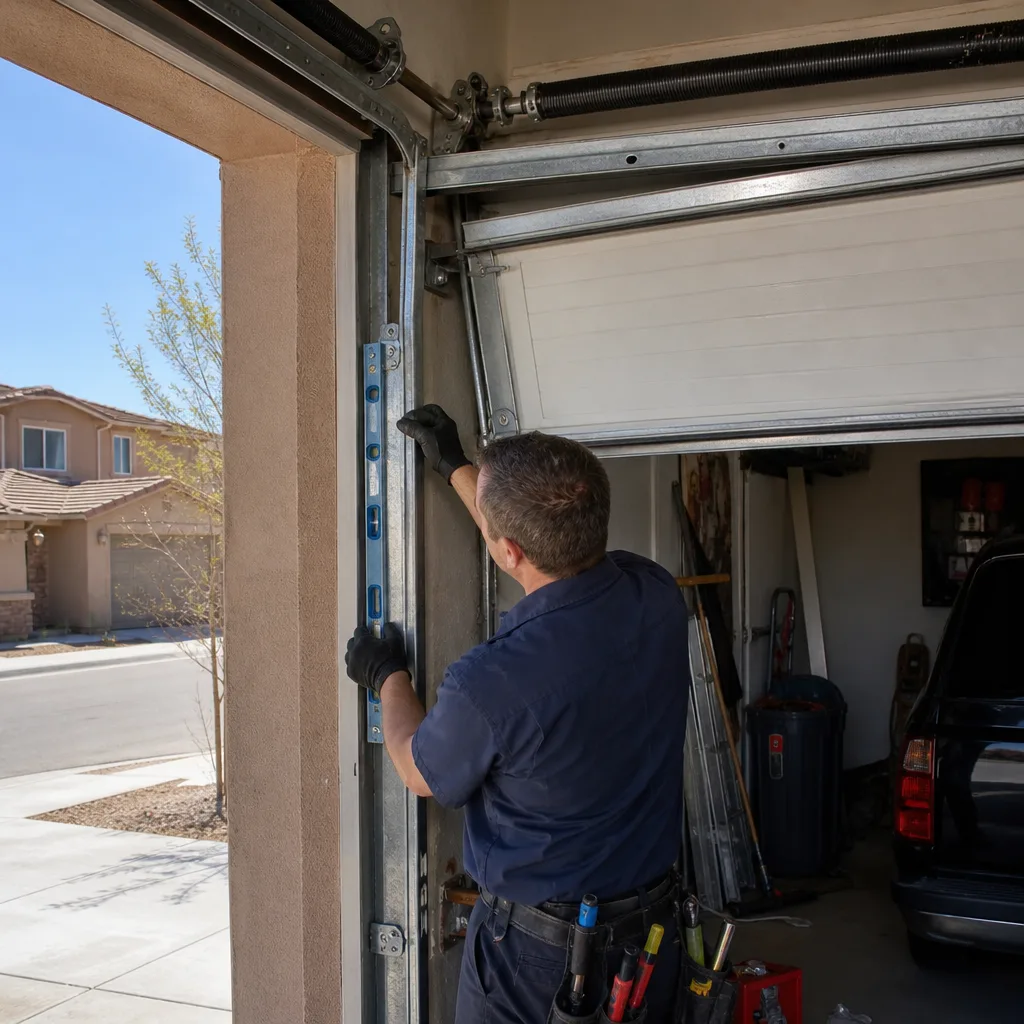
Last updated November 16, 2026
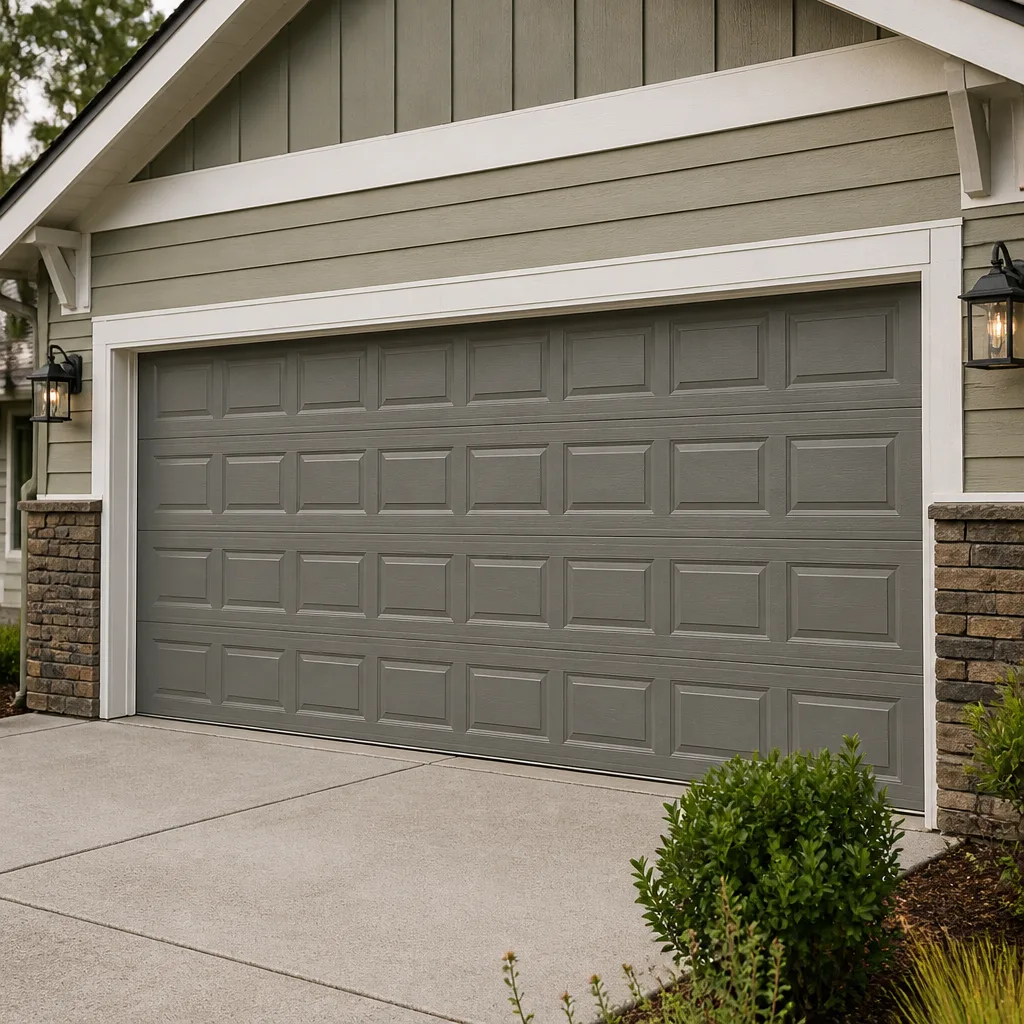 Raised-panel steel
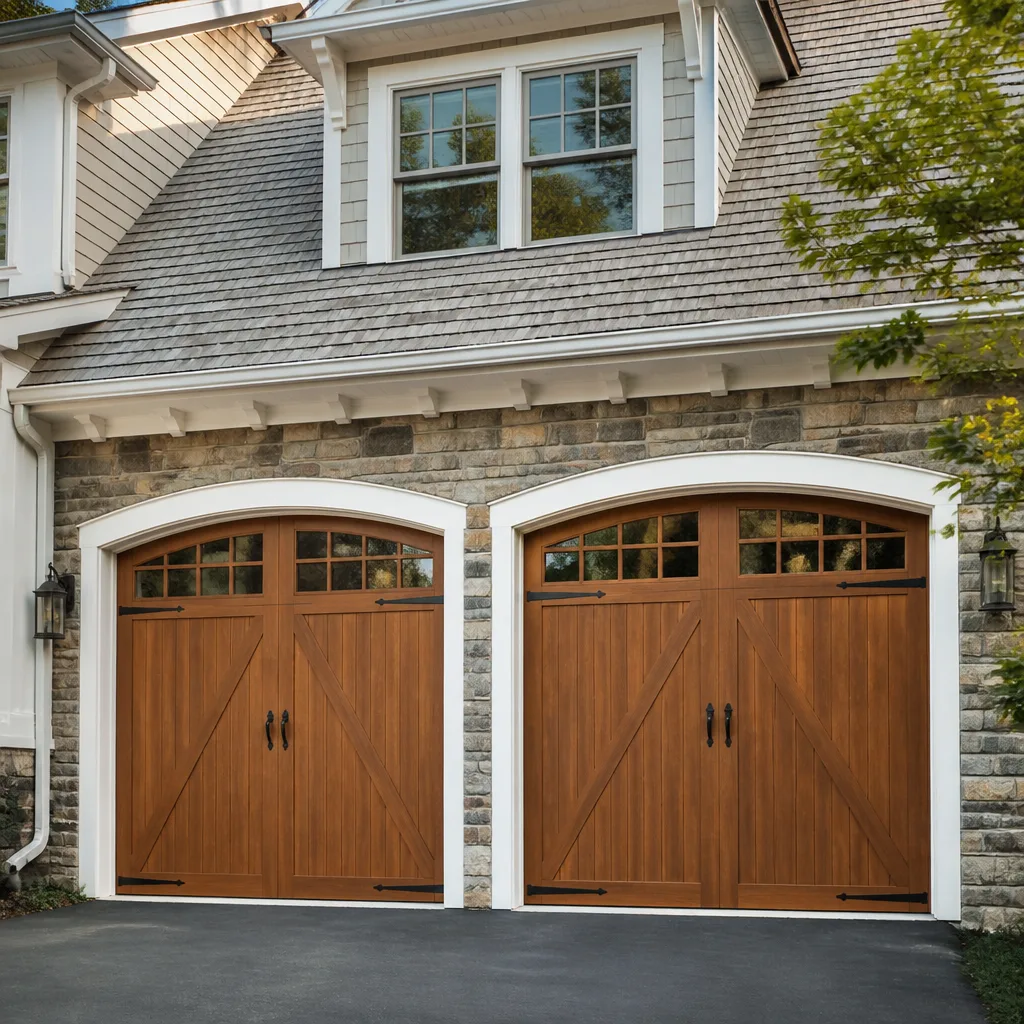 Carriage house
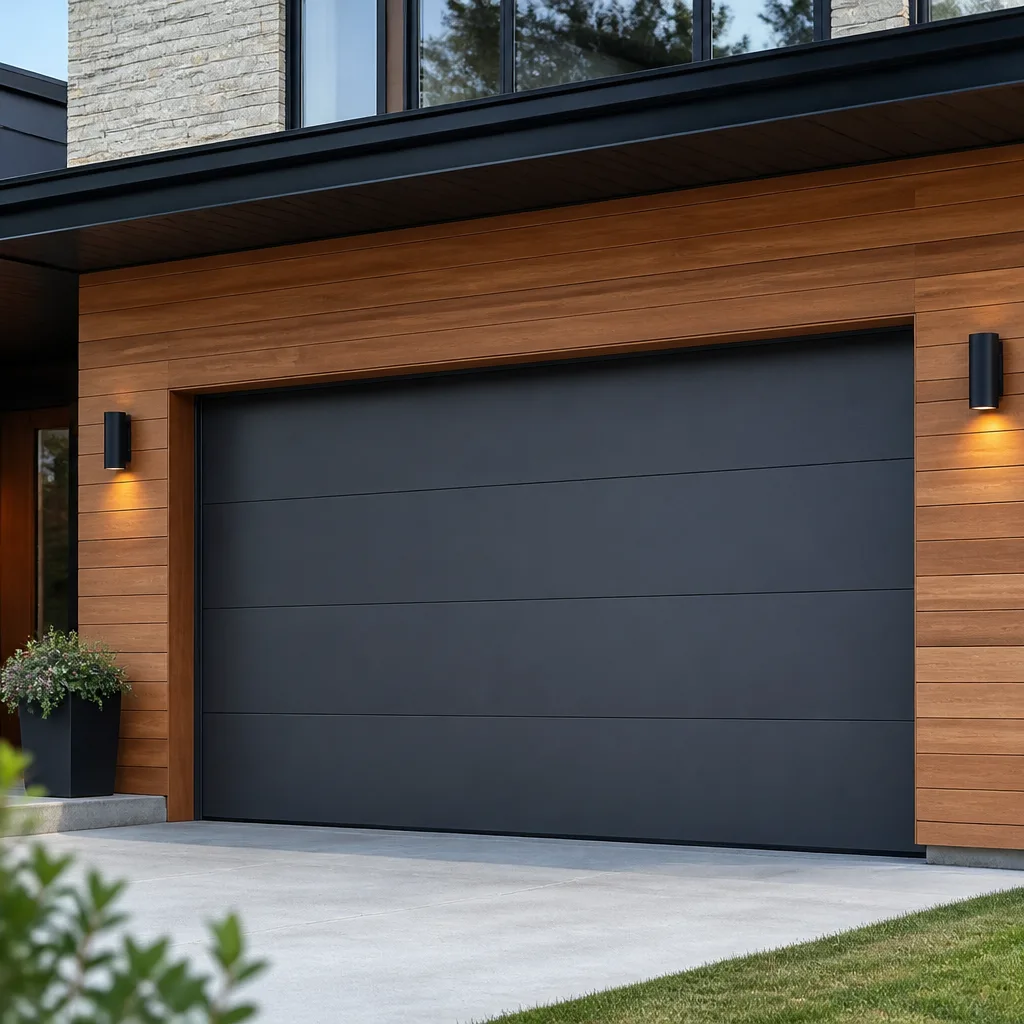 Modern flush
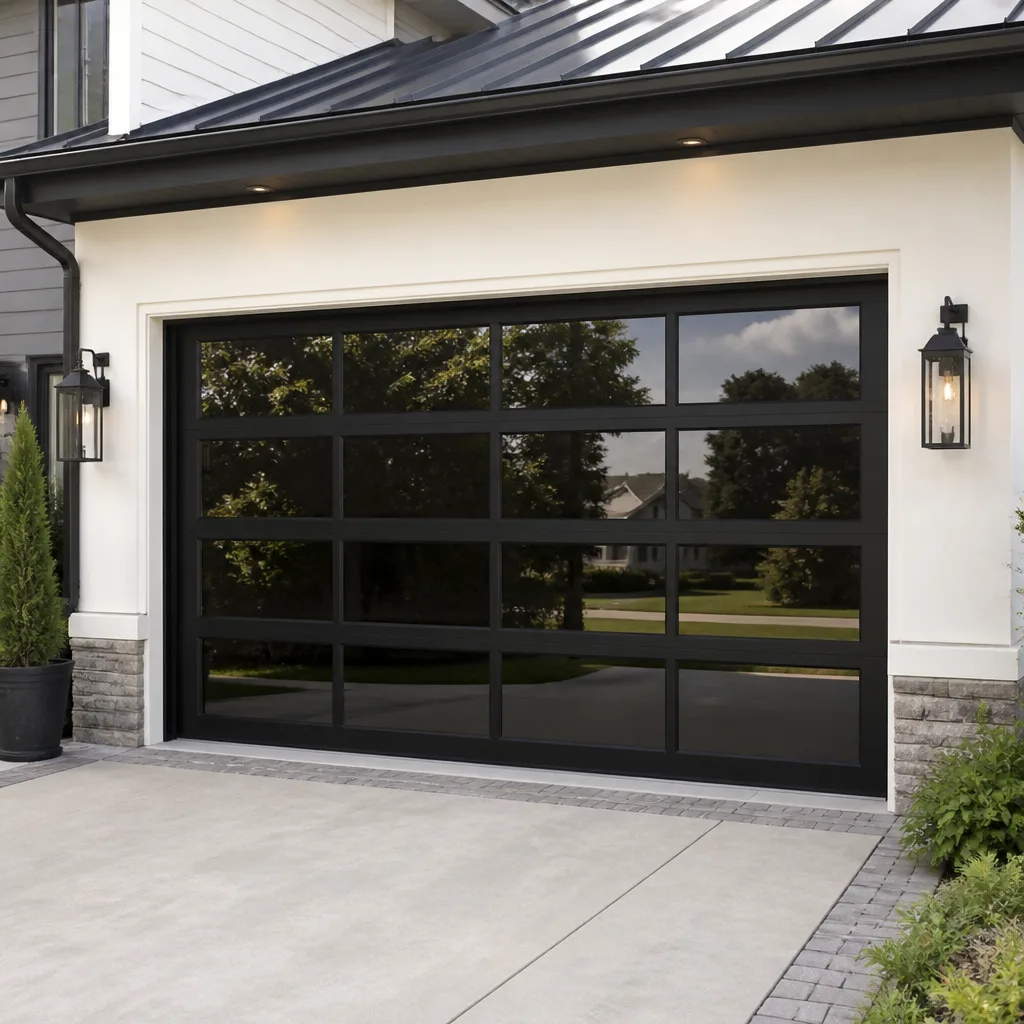 Full-view glass
 LiftMaster openers
 Chamberlain openers
Full 25-point door and opener safety check with every visit - springs, cables, rollers, tracks, and your LiftMaster or Chamberlain opener included
You get a price before we start. It does not change when the pro arrives.
Get your free estimateGarage Door Repair Troubleshooting in Paradise: Common Problems and How to Fix Them
A door that stops and reverses before it closes isn’t broken. It’s doing exactly what it was told to do by a safety sensor that thinks something is in the way. Homeowners in Paradise call us about a dead opener all the time when the real problem is a sensor knocked out of alignment or a travel limit that drifted a half inch. Confusing the two costs you a service call you didn’t need. This guide teaches you to read the failure chain behind the symptom, so you fix the right thing the first time and know when to stop before you hurt yourself.
Quick Answer
Most garage door problems in Paradise come down to one of five causes: a broken torsion spring, misaligned safety sensors, a travel limit that needs adjusting, worn rollers and hinges, or a track bent out of shape by extreme heat. You can safely handle lubrication, sensor cleaning, and limit adjustments yourself. Spring and cable work is dangerous and belongs to a trained technician. The trick is diagnosing correctly before you pick up the phone or a wrench.
Styles & brands we work with
- Raised-panel steel
- Carriage house
- Modern flush
- Full-view glass
- LiftMaster openers
- Chamberlain openers
Table of Contents
- The Failure Chain: Why One Broken Part Causes Three More
- How Paradise Heat Warps Tracks and Throws Off Sensors
- Symptom-to-Cause Matrix: The Five Most Common Complaints
- The 60-Second Balance Test
- DIY-Safe Fixes vs. Real Injury Risk
- Opener Problem or Door Problem? How to Tell
- Common Mistakes to Avoid
- When to Call a Professional
The Failure Chain: Why One Broken Part Causes Three More
A garage door is a system, not a collection of parts. Every component carries load that another component depends on. When the first link fails, the stress doesn’t disappear. It moves to the next link in line. That’s what we mean by the failure chain, and understanding it is the single most useful troubleshooting skill a homeowner can build.
Here’s how the chain typically runs. A torsion spring snaps. The door is now dead weight, held only by the opener carriage. The opener, designed to lift a balanced door, strains against a door it was never built to lift alone. The carriage or the opener’s drive gear strips. Meanwhile, the cables that were under tension from the spring go slack and can jump the drum. Rollers take the sudden load and deform. What started as one spring becomes a spring, a cable set, a roller replacement, and possibly an opener repair.
The chain has stages, and where your door sits on it changes the scope of the job:
- Stage one: A single worn part (a frayed cable, a cracked roller). The door still operates. Fix it now and the chain stops here.
- Stage two: The part fails and secondary damage begins. You’ll notice noise, sluggishness, or uneven movement.
- Stage three: The opener is compensating for a door that’s out of balance. It runs hotter, louder, and shorter.
- Stage four: The opener fails too. Now you’re replacing hardware that a stage-one repair would have saved.
In our experience, most Paradise homeowners call at stage three, when a noise or a slow door finally gets annoying. Catching it at stage one or two is cheaper and gets you back to normal faster. The point of troubleshooting isn’t to find the loudest symptom. It’s to find how far down the chain your door already is.
How Paradise Heat Warps Tracks and Throws Off Sensors
Paradise summers push past 115°F, and that heat does things to a garage door that milder climates never see. Metal expands. Steel tracks that run true in spring can bow by a fraction of an inch by July, and a fraction of an inch is enough to bind a roller or pull a door off its center line. The heat doesn’t just affect the metal. It affects the electronics, the plastic sensor housings, and the rubber seals that keep the whole assembly aligned.
Two heat-driven failures show up again and again in Paradise garages:
- Track bowing. As the steel track expands against its mounts, it can push outward or inward. Rollers that ran smoothly in cooler months start dragging at the same spot every cycle. You’ll hear a thump or a grind at one point in the travel, always in the same place. Run your hand along the track edge (door fully down, power off) and feel for a hump or a kink.
- Sensor drift. The safety sensors are small, and their alignment is precise. Heat expansion in the mounting brackets, combined with the small vibrations of daily use, nudges them out of line over weeks. The door starts reversing intermittently, worse in the afternoon when the garage is hottest. That’s a heat signal, not an opener failure.
The photo-eye sensors sit a few inches off the floor, aimed at each other across the opening. When they lose sight of one another, the opener reads it as an obstruction and reverses. Before you blame the opener, look at the small LED on each sensor. If one is flickering or dark, the problem is alignment or a dirty lens, not the motor. Wipe both lenses with a soft cloth and check that the brackets are snug. If the door still reverses, the sensors need realigning, and a quick check of the manufacturer’s indicator light pattern will tell you which one drifted. We work on Genie, Chamberlain, LiftMaster, and other common openers daily, and this single check resolves a large share of “my door won’t close” calls in Paradise.
Symptom-to-Cause Matrix: The Five Most Common Complaints
Homeowners describe problems by what they see and hear. Technicians diagnose by what those symptoms point to. This matrix bridges the two, so you can narrow down the likely culprit before anyone touches the door.
- Door won’t open at all. Most likely: a broken torsion spring (the opener hums but the door doesn’t move) or a power/travel-limit issue (the opener is silent). If you hear the motor but see no movement, suspect the spring. If there’s no sound, check the power source and the opener’s limit settings first.
- Door won’t close, or closes partway and reverses. Most likely: misaligned or dirty safety sensors, or an obstruction the sensor is reading. This is the single most misdiagnosed problem in Paradise. Check sensor alignment before anything else.
- Door reverses on its own mid-travel. Most likely: a travel limit set too far, or a binding track that’s creating resistance the opener reads as an obstacle. Heat-bowed tracks are a frequent cause in summer.
- Door is noisy (grinding, squealing, banging). Most likely: dry or worn rollers and hinges, or a track that’s out of alignment. Lubrication and a visual track check often quiet it down. Persistent grinding after lubrication points to a roller or bearing that needs replacing.
- Door moves unevenly or hangs on one side. Most likely: a stretched or jumped cable, a broken spring on one side, or a bent track. This one carries real risk. Stop using the door and get it looked at, because an uneven door can come off its track entirely.
A quick note on reading the matrix: the symptom tells you where to look, not what to replace. Use it to rule out the cheap, safe possibilities first. If two or three symptoms overlap (noisy and uneven, or slow and reversing), the door is likely further down the failure chain and deserves a trained eye.
The 60-Second Balance Test
This test tells you whether your door needs a tune-up or a full spring replacement, and it takes about a minute. It’s the most valuable diagnostic a homeowner can run on their own. Do it safely and never put your hands anywhere near the springs or cables.
- Close the door and disconnect the opener by pulling the manual release cord (the red handle). This disengages the opener so you’re testing the door, not the motor.
- Lift the door by hand to about waist height. It should move with modest effort. If it feels very heavy, the springs aren’t carrying their share of the load.
- Let go at waist height. A balanced door should hold its position, maybe drift slightly. If it slams down, the springs are weak or broken. If it shoots up, the springs are overtensioned.
- Lower it slowly and re-engage the opener by pushing the door until the carriage catches.
A door that holds at every height passes the balance test, which usually means a tune-up (lubrication, roller check, track alignment) will get it running right. A door that falls or flies on its own has a spring problem. That’s not a DIY fix. Torsion springs store enormous energy, and the failure mode is violent. When the balance test fails, stop and call a trained technician. For a proper diagnosis, see our garage door repair service.
DIY-Safe Fixes vs. Real Injury Risk
Some garage door problems are genuinely safe to handle yourself. Others are among the most dangerous home repairs there is. The line between them is clear once you understand what’s involved. Here’s how to sort the tasks.
- DIY-safe: Lubricating rollers, hinges, and springs (use a garage-door-specific lubricant, never grease on the tracks). Wiping sensor lenses. Straightening a visibly loose bracket with the door down and power off. Adjusting travel limits per the opener manual. Replacing a burned-out opener light bulb. These are low-risk tasks that handle a surprising share of day-to-day complaints.
- Depends on your comfort: Replacing rollers and hinges. These are bolt-on parts, but a door under spring tension can shift unexpectedly. If you’re comfortable working on a door with the springs intact, move deliberately and never put a hand near a cable.
- Real injury risk, call a professional: Anything involving the torsion springs or extension springs. Anything involving the cables, cable drums, or bottom brackets. Straightening or replacing a section of track on a door that’s resting at an odd height. Springs and cables are under extreme tension and can cause serious injury in an instant. Never attempt to loosen, adjust, or remove a spring or cable yourself. This is the one category where we always recommend a trained technician, and it’s not a sales pitch. It’s a safety line.
If you’re unsure which category a job falls into, the answer is usually “call.” A quick phone diagnosis costs nothing, and it keeps you out of the dangerous category by mistake.
Opener Problem or Door Problem? How to Tell
The opener gets blamed for almost everything, but in our experience the door is the real culprit more often than not. The trick is separating the two. A door that’s out of balance, binding, or held by a broken spring stresses the opener into premature failure, and a failing opener makes a healthy door behave badly. Here’s how to tell which one you’re dealing with.
Run the balance test first. If the door fails it, the problem is the door, and fixing the opener won’t help. If the door is balanced and smooth by hand but still acts up, the opener is the likely source. Then check these:
- Opener hums but nothing moves. Could be a stripped gear, a broken drive belt or chain, or a dead capacitor. This is opener territory.
- Opener runs, but the door reverses. Look at the safety sensors first. Sensor problems masquerade as opener problems.
- Opener is slow or stops partway. Check the travel limits and the force settings. A door that binds in one spot can also trigger the opener’s safety reverse (see the heat section above).
For openers that are failing on their own, our garage door opener repair handles the electronic side, from sensors and limits to gears and motors. We diagnose the door and the opener in the same visit, so you’re not handed off between a door specialist and an electrician. If the opener is fine and the door is the problem, the fix stays in one trade either way.
How Long Can You Ignore a Problem Before It Gets Expensive?
Longer than you’d think, and shorter than you’d hope. A noisy roller or a slow-closing door can run for months before it fails outright. But every cycle on a worn part pushes the door further down the failure chain. A frayed cable that would have been a quick replacement can snap and take out a corner bracket, a drum, and the opener carriage with it.
The pattern we see in Paradise homes is seasonal. A door that was fine in April starts misbehaving in July, when heat expansion tightens tracks and drifts sensor alignment. Homeowners often wait until the door stops working entirely, by which point stage-one and stage-two damage has stacked up into a bigger repair. The sooner you address the first symptom, the shorter the chain and the smaller the bill.
A good rule: if the symptom is new and consistent, diagnose it now. If it’s intermittent and only happens in the heat of the day, book a check and watch it. Both beats waiting for a total failure. Our technicians have up to 8 years of experience reading exactly these early warning signs. You can learn more about the team and what we cover at Belmont Garage Door Service.
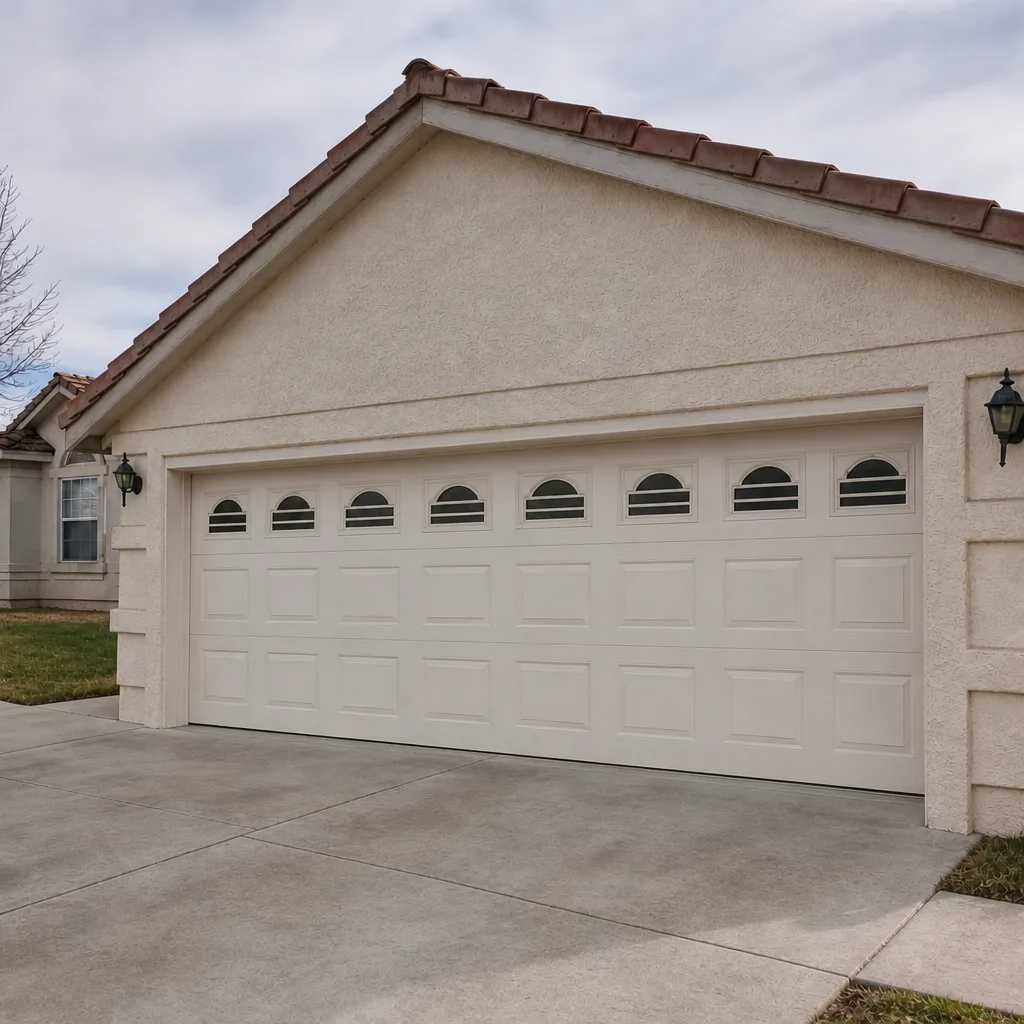
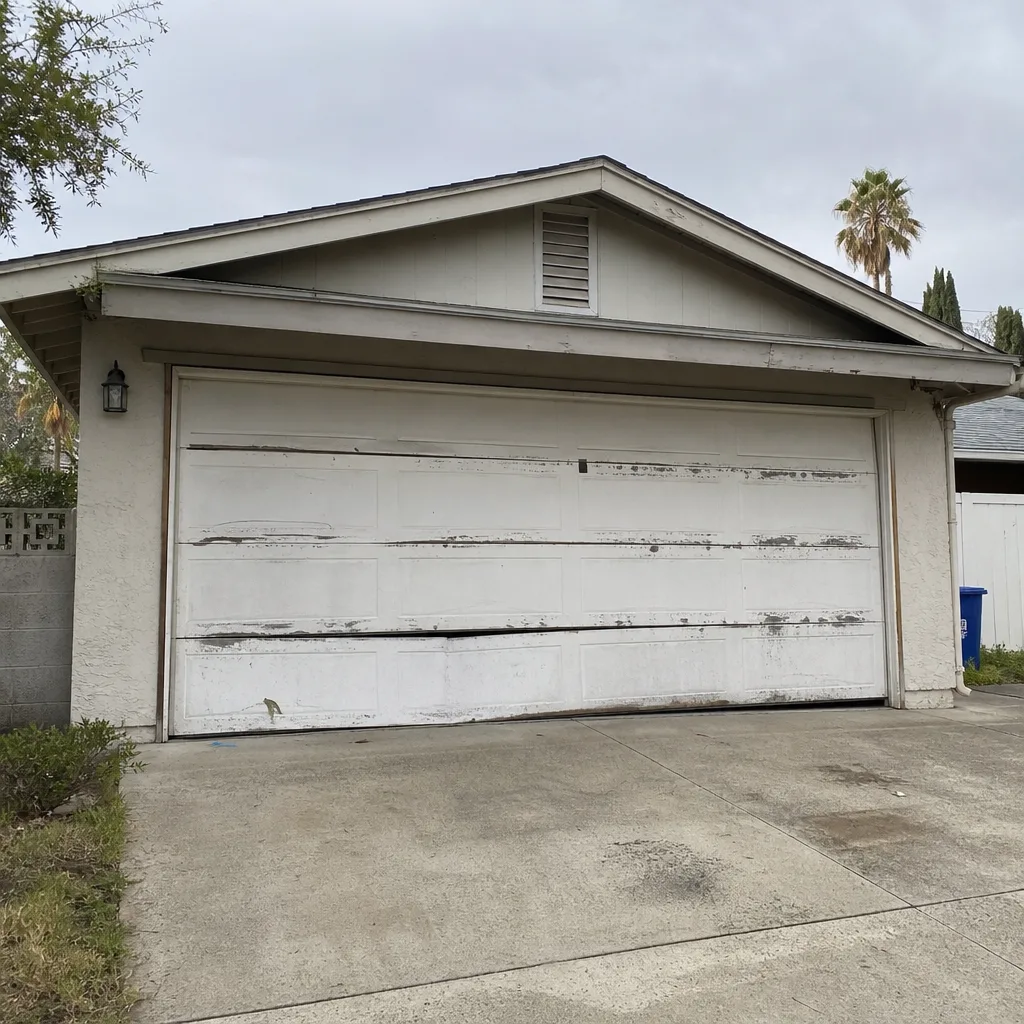
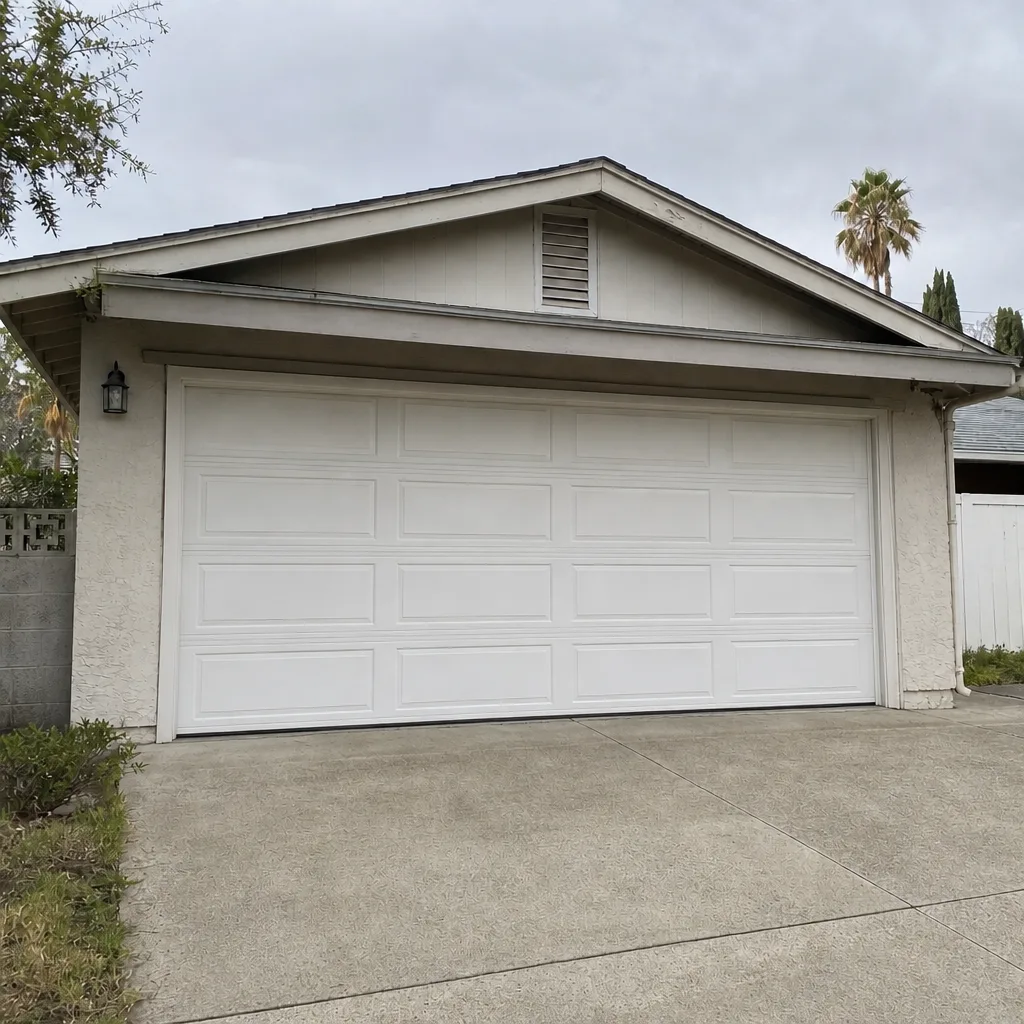
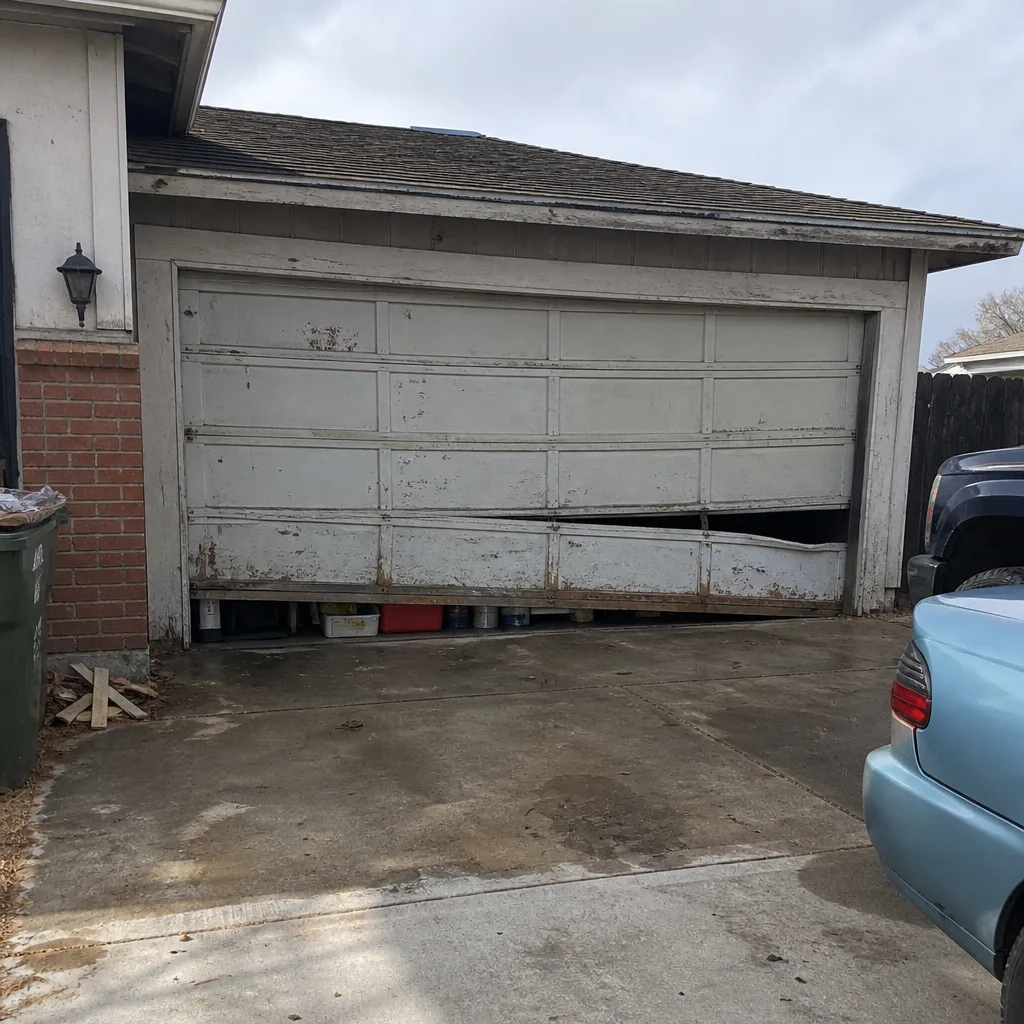
See the difference
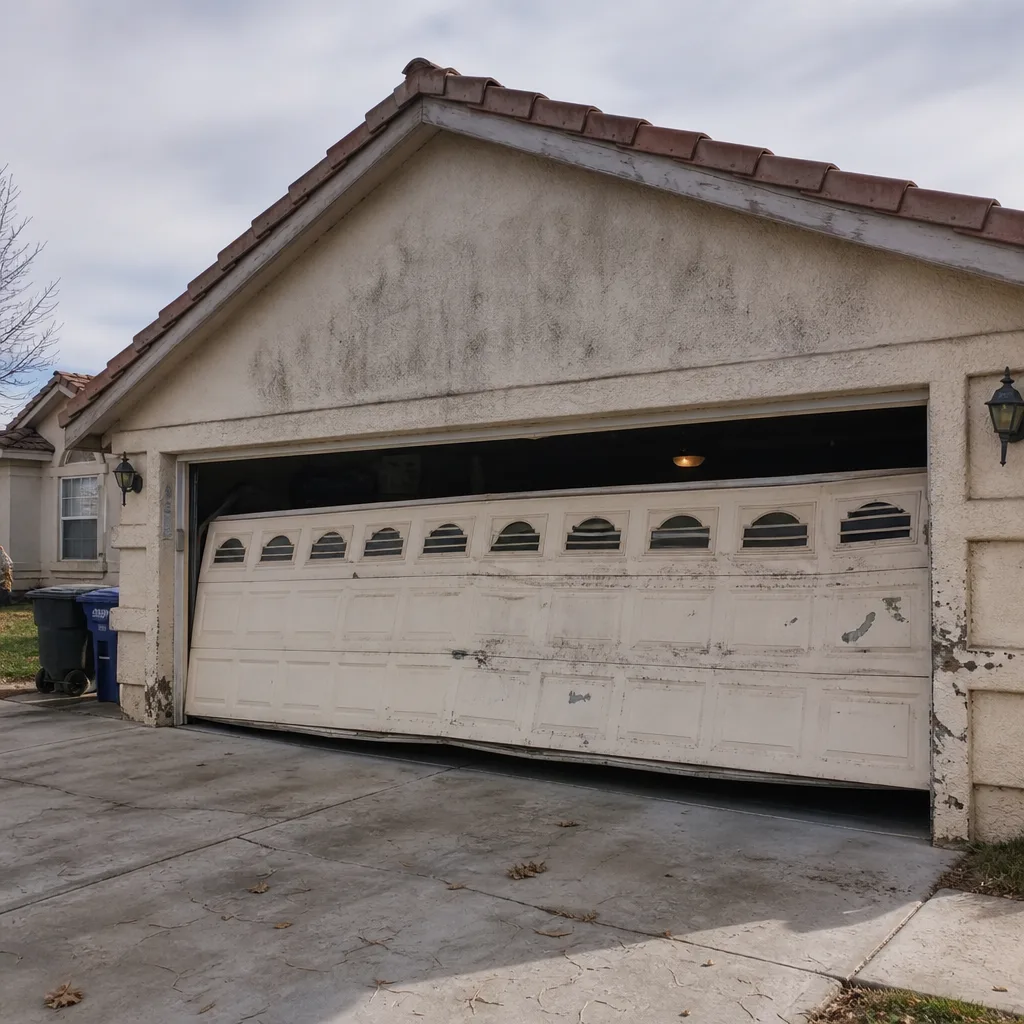 Before
 After
 Before
 After
 Before
 After
Should You Repair or Replace a Failing Door?
Most failing doors can be repaired, and repair-first is almost always the right starting point. The question is whether the repair cost and door condition make replacement the smarter move. A door with a broken spring or a worn opener is a repair. A door with rusted-through panels, a bent track across several sections, or repeated failures in the same spot is worth pricing against a new door.
Age and condition matter more than age alone. A well-maintained door from a quality brand like Clopay, Amarr, or Wayne Dalton can give years of service after a repair. A builder-grade door that’s failed three times in two years is usually a replacement candidate. We look at four things before recommending either path:
- How many parts have failed in the last two years.
- Whether the door is still balanced and tracks true after repair.
- The condition of the panels and the frame (rust, sag, separation).
- Whether the opener is compatible with the existing or replacement door.
We don’t push replacement when a repair makes sense, and we don’t hide the cost of a new door if that’s where the numbers point. If you’re weighing it up, our team at Paradise can give you a free written estimate for both the repair and the replacement, so the choice is yours to make with real numbers in hand.
Common Mistakes to Avoid
- Blaming the opener for a reversing door. Nine times out of ten, a reversing door has a sensor problem, not a dead motor. Checking the sensor lights first saves a service call. This is the single most common misdiagnosis we hear about in Paradise.
- Greasing the tracks. Garage door tracks should stay clean and dry. Lubricant on the track collects dust and grit, and grit wears rollers faster. Lubricate the rollers and hinges, not the track itself.
- Ignoring a noisy door. A grinding or squealing door is telling you a part is failing. Waiting past the noise turns a cheap roller replacement into a cable, drum, and opener job. Fix it at stage one.
- Replacing springs one at a time. A matched pair of torsion springs is under equal load, and when one fails, the other is close behind. Replacing both together avoids a second failure a few months later, and the second spring alone costs about half again as much.
- Following generic YouTube spring replacements. A torsion spring under load can injure seriously in an instant, and a mistake on the cables is just as dangerous. This is the one DIY task to skip entirely. Keep the door down and call a trained technician.
- Pulling the manual release while the door is under tension. If the door is broken or the spring has failed, pulling the release cord can drop the door fast. Check the balance test first, and never pull the release on a door that’s already off its track.
- Adjusting sensors by eye in the summer heat. A sensor that looks aligned at 9am can drift out of line by afternoon in a Paradise garage. Use the indicator light on the sensor as the real check, and recheck it if the door reverses intermittently only on hot days.
When to Call a Professional
Call a professional for anything involving springs, cables, drums, or bottom brackets. These parts are under extreme tension, and a mistake can cause serious injury. Also call if your door hangs unevenly, comes off its track, fails the balance test, or keeps failing in the same spot after a repair. Repeated failures usually mean the door is further down the failure chain than it looks. If the opener is silent or the drive gear is stripped, that’s opener territory and worth a trained diagnosis rather than a parts swap that may not fit. Belmont Garage Door Service offers free estimates in Paradise, and we diagnose the door and the opener in the same visit so you get one clear answer. Call (844) 665-0023 to book a time. We answer 24/7, with fast dispatch from 7am to 7pm, Sunday through Friday.
Frequently Asked Questions
It’s almost always the safety sensors, not the opener. In Paradise summer heat, sensor brackets drift out of alignment and lenses pick up dust, and the opener reads the lost signal as an obstruction and reverses. Wipe both lenses and check the indicator lights on the sensors first. Call (844) 665-0023 if it keeps reversing after a wipe-down; estimates are free.
Most Paradise garage door repairs run within a typical range depending on the part and the extent of the failure chain. A single torsion spring is usually less than a full spring-pair replacement with cable and roller work. The written estimate sets the final price, and we give it before any work starts. Call (844) 665-0023 for a free estimate.
No. Torsion and extension springs are under extreme tension and can cause serious injury if they let go, and the cables attached to them are just as dangerous. This is the one job to leave to a trained technician. Call (844) 665-0023 and we’ll diagnose the door safely and quote the repair.
Heat expansion is the usual cause in Paradise. Steel tracks grow in the summer sun, and a track that ran true in spring can bow just enough to bind a roller or pull the door off its center line. Worn rollers and dry hinges make it worse. Lubrication and a track check handle most cases; persistent grinding means a roller needs replacing. Call (844) 665-0023 if the noise stays after lubrication.
No. We quote the price in writing and you agree to it before any work starts. If the diagnosis turns up more of the failure chain than expected, we explain the added parts and their cost and get your approval first. Call (844) 665-0023 for an exact quote; estimates are free.
Yes. The independent local professionals we connect you with are licensed and insured, and our technicians have up to 8 years of experience working on major brands including Genie, Clopay, Amarr, and Wayne Dalton. Call (844) 665-0023 to book a visit.
The Bottom Line
Troubleshooting a garage door is about reading the failure chain, not chasing the loudest symptom. A reversing door is usually a sensor, not an opener. A noisy door is usually worn rollers, not a failing motor. A door that fails the balance test has a spring problem, and that’s the one category to leave to a trained technician. In Paradise, extreme summer heat accelerates the whole chain by warping tracks and drifting sensors, so catching problems early matters more here than in milder climates. Diagnose before you repair, and you’ll fix the right thing the first time.
Ready to Get Your Door Fixed Right?
If you’ve run the balance test and checked the sensors and you’re still stuck, a trained diagnosis is the fastest path to a lasting fix. Belmont Garage Door Service focuses only on garage doors, so we diagnose the door and the opener in one visit and quote the price in writing before any work begins. We answer 24/7, and fast dispatch from 7am to 7pm runs Sunday through Friday. Call (844) 665-0023 for a free estimate in Paradise and we’ll help you read the failure chain before it costs you more.
Written by the team at Belmont Garage Door Service.