
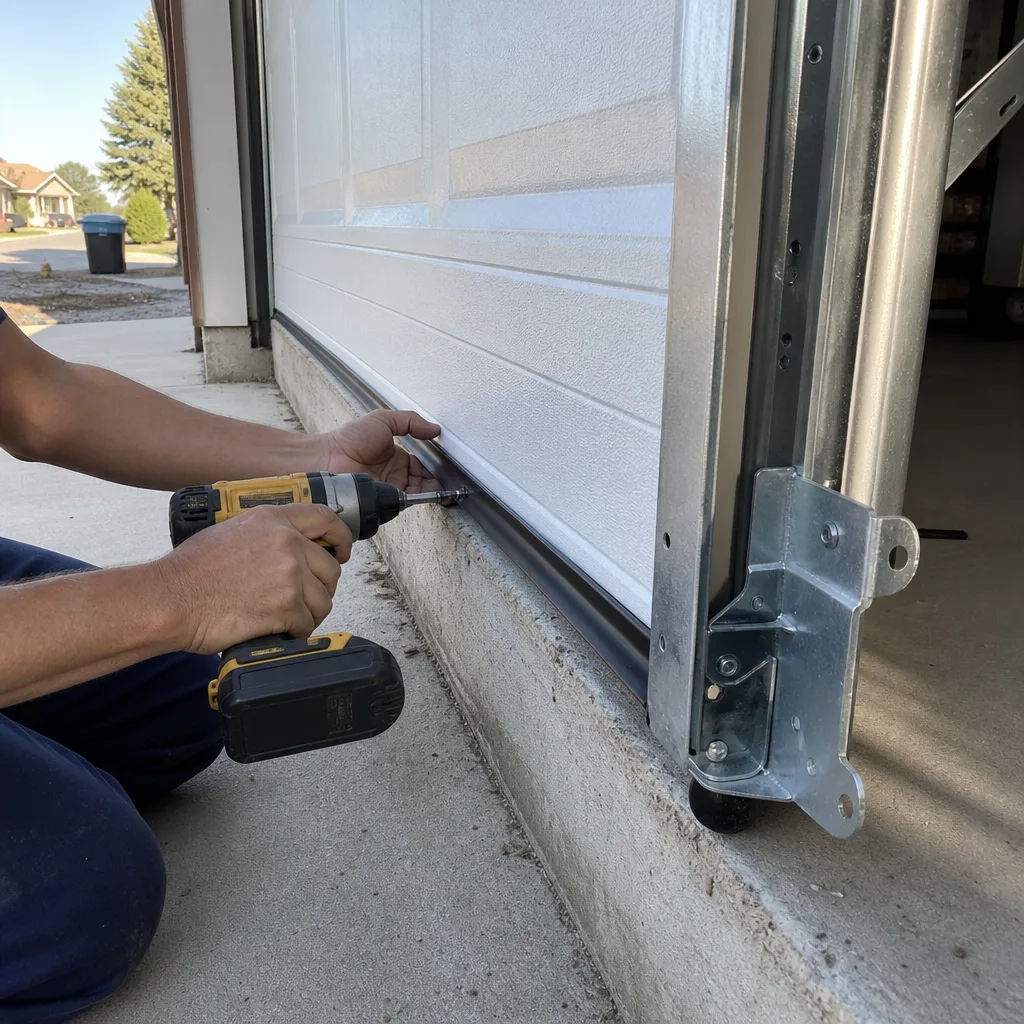
Last updated November 16, 2026
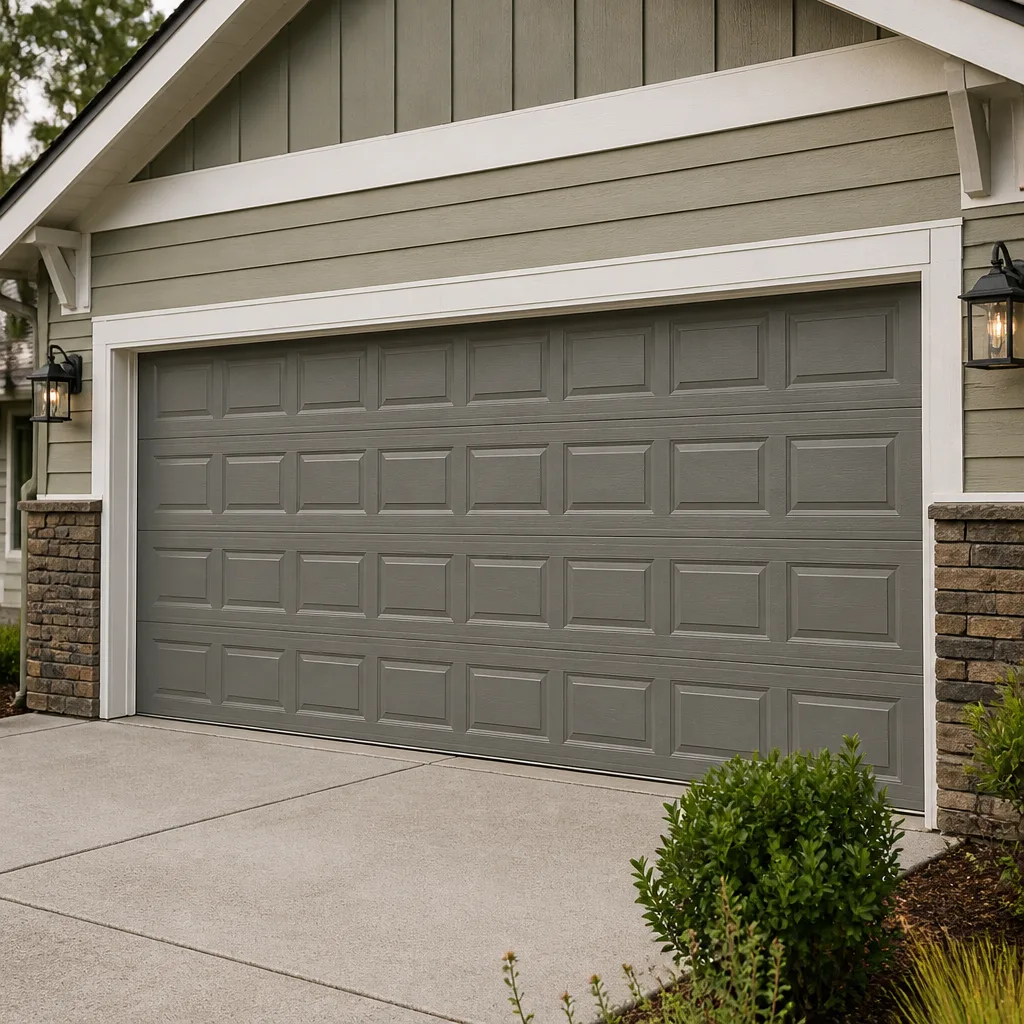 Raised-panel steel
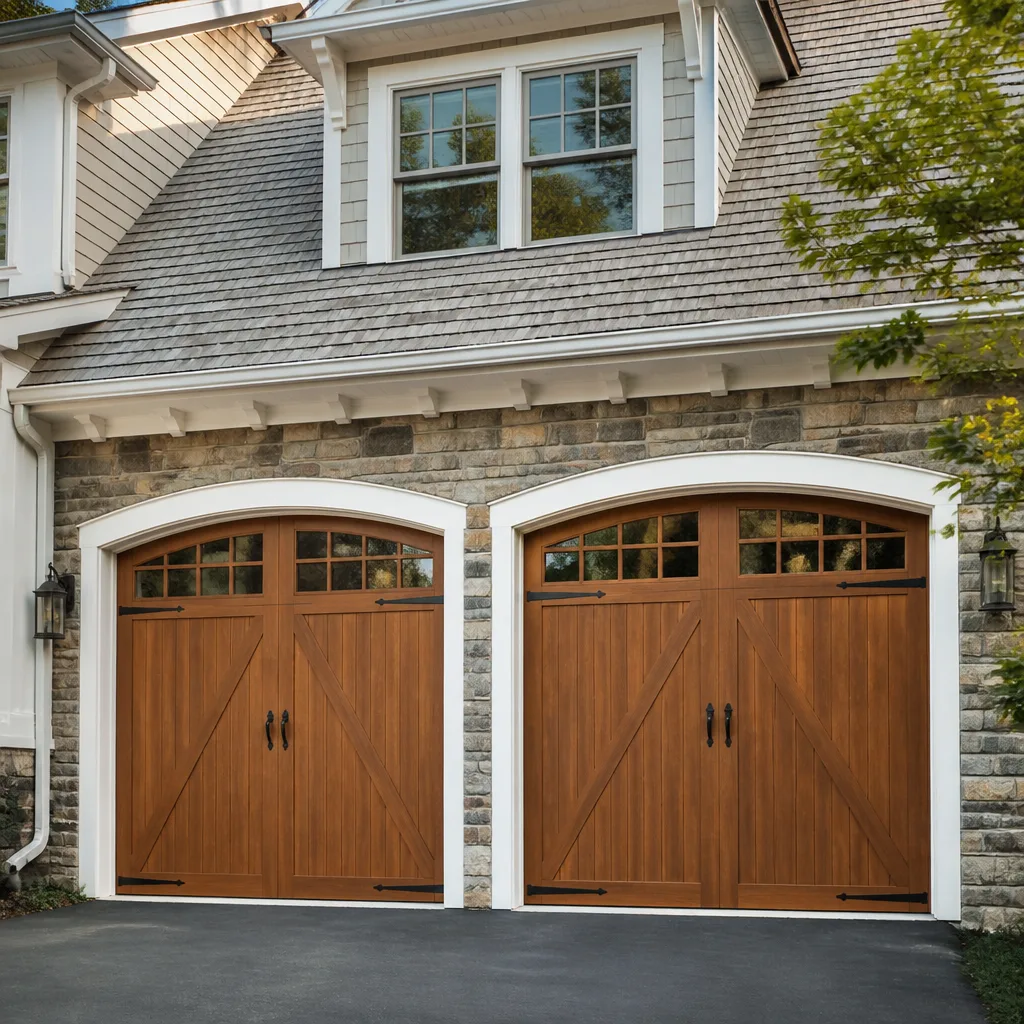 Carriage house
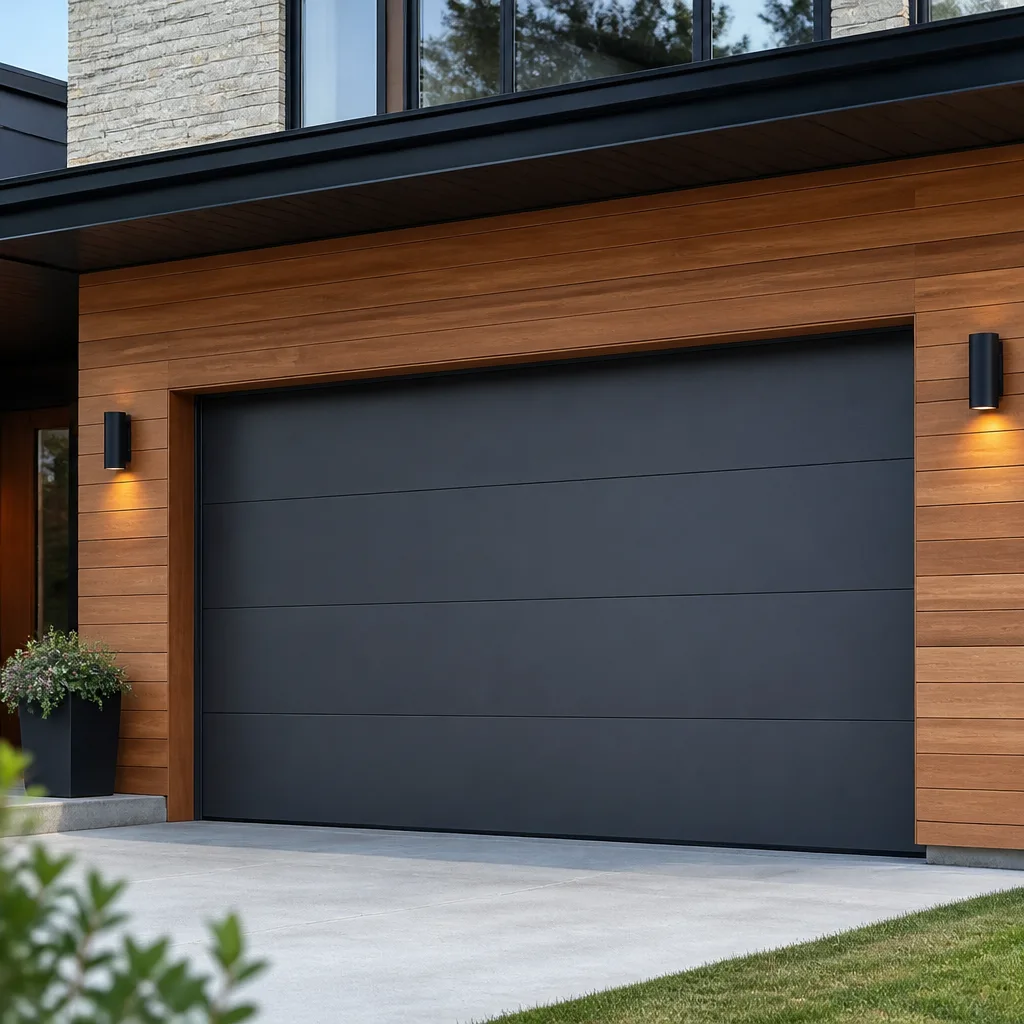 Modern flush
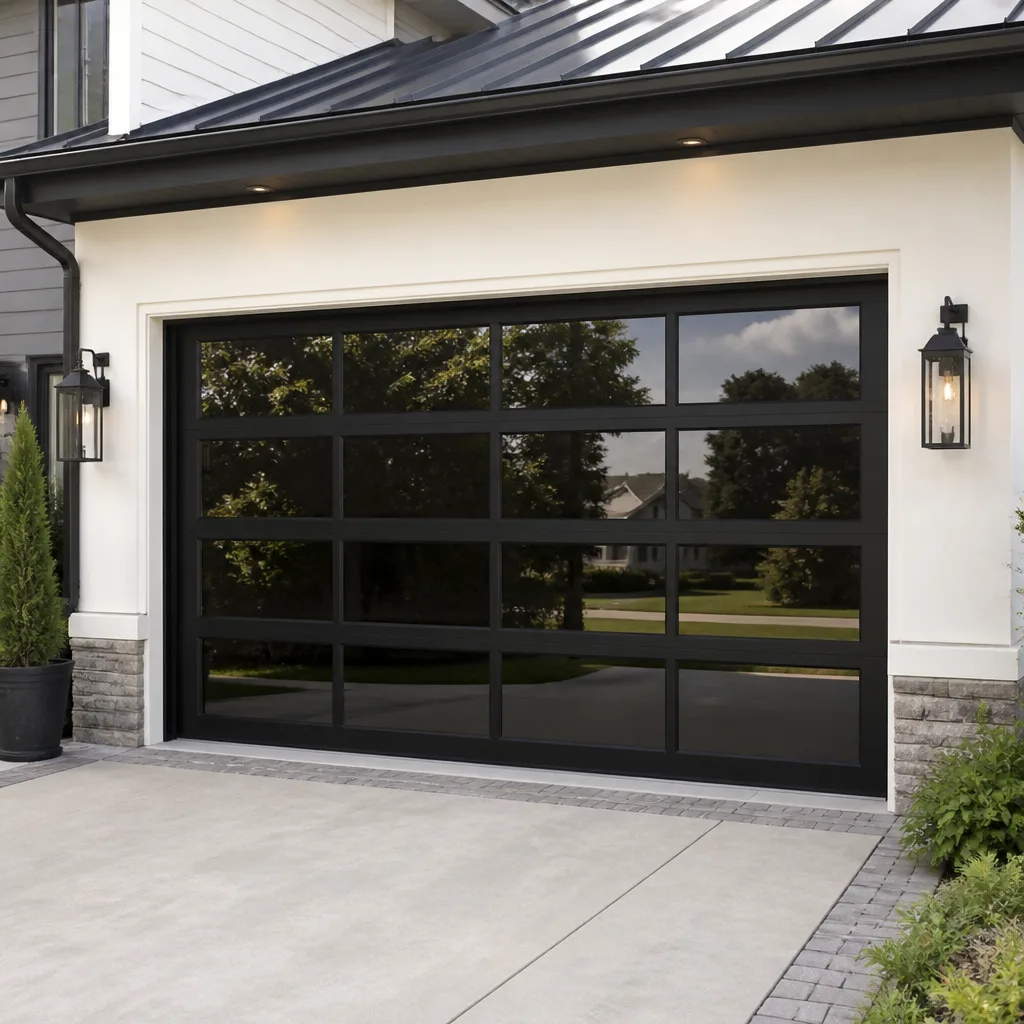 Full-view glass
 LiftMaster openers
 Chamberlain openers
Full 25-point door and opener safety check with every visit - springs, cables, rollers, tracks, and your LiftMaster or Chamberlain opener included
You get a price before we start. It does not change when the pro arrives.
Get your free estimateGarage Door Repair Maintenance Schedule: What to Do and When
Here’s the part most maintenance guides leave out: the schedule printed in your owner’s manual was written for a mild climate, not for Paradise. When summer highs sit near 115°F for weeks, every lubrication interval, seal inspection and roller check needs to happen about twice as often as the manufacturer suggests. A door that would coast for a year in a temperate state is working harder here by spring. This guide gives you a month-by-month schedule built for the Mojave calendar, tells you which lubricants survive desert heat and which ones turn to gum, and names the three parts that wear out fastest in Paradise. You’ll also get a printable garage log you can fill in with a marker and keep on the wall.
Quick Answer
In Paradise, NV, a garage door needs lubrication every three to four months rather than once a year, a bottom seal check every spring, roller and hinge inspection twice a year, and a full balance-and-safety-reverse test each January. The two tasks that prevent the most expensive repairs are spring lubrication and cable inspection, both of which you can do safely by eye and by hand without touching a wound spring.
Styles & brands we work with
- Raised-panel steel
- Carriage house
- Modern flush
- Full-view glass
- LiftMaster openers
- Chamberlain openers
Table of Contents
- Why a Desert Climate Rewrites the Maintenance Calendar
- The Month-by-Month Schedule for Paradise
- Which Lubricants Hold Up in Extreme Heat (and Which Don’t)
- The Three Parts That Wear Twice as Fast in Paradise
- Tasks That Prevent Expensive Repairs vs. Tasks That Don’t
- Safety Checks You Can Do Without Tools
- Keeping a Garage Log (and Why It Protects Your Warranty)
- Common Mistakes to Avoid
Why a Desert Climate Rewrites the Maintenance Calendar
A garage door is a moving assembly of steel, nylon, rubber and springs, and every one of those materials reacts to heat. In Paradise, the door faces a temperature swing that most of the country never sees. A summer afternoon can push the metal in a south-facing garage well above the outside air temperature, and then the desert night drops forty degrees or more. That expansion and contraction happens every single day from May through September. Multiply it across a season and your hinges, rollers and panels have cycled through the equivalent of years of normal wear.
Dust adds a second layer of stress. Monsoon season pushes fine grit through every gap in the door, and that grit settles into hinge knuckles, roller tracks and the torsion tube. Once it mixes with an aging lubricant, it forms a paste that grinds rather than glides. We see doors in Paradise that are only a few years old with rollers that sound like they belong on a much older home, purely from dust and dried-out grease.
UV is the third factor. Southern Nevada sun is relentless, and rubber seals, weatherstripping and plastic photo-eye lenses degrade here faster than the manufacturer’s testing assumes. A bottom seal that would last five years in a mild climate can stiffen and crack in two or three in Paradise. That’s not a reason to worry. It’s a reason to check on a schedule instead of waiting for a symptom.
None of this means your door is fragile. It means the maintenance clock runs faster here, and a calendar tuned to Paradise’s seasons keeps the door in the condition the manufacturer intended.
The Month-by-Month Schedule for Paradise
Here’s the calendar we recommend for Paradise homeowners. It groups the work into three anchor points – pre-summer prep in May, post-monsoon cleanup in October, and mid-winter seal inspection in January – with lighter checks in between.
- January – seal and balance inspection. Cold desert nights are the harshest test on rubber. Check the bottom seal for cracks and stiffness, look at the weatherstripping around the frame, and run a balance test (lift the door halfway by hand with the opener disconnected; it should hold roughly in place).
- February – hardware tighten. Go around the hinges, the roller brackets and the track bolts with a wrench. Vibration from daily cycling loosens fasteners, and a loose bracket misaligns the track.
- March – roller inspection. Spin each roller by hand. Nylon rollers should turn freely and sound quiet. Any that wobble, grind or have flat spots get replaced.
- April – photo-eye and opener check. Wipe the photo-eye lenses clear of dust and UV haze, test the safety reverse with a small object in the door’s path, and check that the opener’s force settings haven’t drifted.
- May – pre-summer prep. This is the big one. Lubricate springs, hinges, rollers and the torsion tube. Inspect cables for fraying. Check that the door runs smoothly before the heat arrives, because summer is the worst time for a failure.
- June through August – light monthly checks. Open and close the door a few times and listen. Wipe the photo-eye lenses. Watch the bottom seal for heat damage. If anything sounds rough, deal with it before it becomes a repair.
- September – lubrication refresh. Summer heat burns through lubricant faster than any other season. Reapply before the door goes into fall.
- October – post-monsoon dust clearance. Blow or brush dust out of the tracks, hinge knuckles and roller grooves. Clean the lubricant channels and reapply fresh product. This is the month that matters most for grit-related wear.
- November – cable and spring visual. Look at the cables for fraying, kinks or rust streaks. Look at the springs for gaps or a sagging profile. Don’t touch a wound spring.
- December – year-end full check. Run through the whole list one more time, note anything on your garage log, and plan the year ahead.
If you’d rather have a professional run this calendar for you, that’s what we do. garage door repair is where most of our Paradise calls start, and a spring tune-up is often all it takes to avoid a bigger job.
Which Lubricants Hold Up in Extreme Heat (and Which Don’t)
Lubricant choice matters more in Paradise than almost anywhere else. The wrong product dries into a sticky film that collects dust, which is worse than no lubricant at all. Here’s how the common options behave in desert heat.
- White lithium grease (spray or tube). Good for hinge knuckles and metal-to-metal contact, but it thickens in cold and can attract dust in dry, gritty conditions. Use it sparingly on hinges, not on tracks.
- Silicone spray. Excellent for tracks, rollers and the torsion tube. It goes on dry, doesn’t attract grit, and holds up to heat. This is the workhorse for Paradise.
- Lithium soap-based grease. Fine for springs, but it can dry out faster than silicone in high heat. If you use it, reapply more often.
- Petroleum-based oils and WD-40-style penetrants. Not for long-term lubrication. They thin out in heat, drip off, and leave a residue that grabs dust. Fine for loosening a stuck bolt, wrong for a maintenance schedule.
- Graphite powder. Good for lock cylinders and some pivot points, but it can clump in humid monsoon air. Use it only where a dry film is essential.
Our rule of thumb: silicone spray for anything that slides or rolls, white lithium for hinge pins in small amounts, and nothing petroleum-based on tracks or springs. Apply lightly, wipe off the excess, and reapply every three to four months through the hot season. If your opener is making noise that’s more mechanical than squeaky, it might not be a lubrication issue at all – that’s a good moment to look at garage door opener repair before a small motor fault turns into a dead unit.
The Three Parts That Wear Twice as Fast in Paradise
Not every component wears at the same rate. In our experience across Paradise, three parts fail noticeably faster here than the national average, and each one is cheap to replace before it takes something else down with it.
1. Bottom door seals
The bottom seal takes the full force of UV, heat and contact with the concrete slab. In Paradise it stiffens, cracks and shrinks faster than it would in a milder climate. A worn seal lets in dust, heat and small pests, and it can make the door close unevenly. Check it every spring and replace it when it stops making a full, soft contact with the floor.
2. Nylon rollers
Nylon rollers run quietly and don’t need oil, which is why they’re standard on most modern doors. But nylon softens and flattens under sustained heat, and a flattened roller drags in the track and stresses the hinges. Inspect them at least twice a year, once in spring and once in fall. Steel rollers last longer in heat but run louder, so there’s a trade-off either way.
3. Photo-eye lenses
The safety photo-eyes sit low on the door frame, right where desert dust and UV combine to cloud the plastic lens. A hazy lens can trigger false reverses or refuse to close the door at all. Wipe the lenses monthly with a soft cloth and a little water. If they stay cloudy after cleaning, the lens itself has degraded and the eye unit needs replacing. This is one of the most common “the door won’t close” calls we get in Paradise, and it’s usually a five-minute fix once the cause is clear.
Tasks That Prevent Expensive Repairs vs. Tasks That Don’t
A lot of generic maintenance guides pad their lists with tasks that feel productive but don’t move the needle. Here’s the honest split, based on what actually prevents costly failures in Paradise.
High-value tasks (do these)
- Spring lubrication. A dry torsion spring binds and fatigues faster. A light silicone or lithium coat on the coils extends spring life more than any other single habit.
- Cable inspection. Cables fray and kink before they snap. A visual check every few months catches a worn cable before it becomes an emergency. Never touch a cable under tension – just look.
- Roller and hinge checks. Worn rollers and loose hinges are the leading cause of track misalignment and panel damage.
- Balance and safety-reverse testing. A door that’s out of balance strains the opener and can drop. The reverse test is a genuine safety check.
- Bottom seal inspection. Cheap to replace, and a failed seal causes heat, dust and pest problems.
Low-value or oversold tasks
- Replacing every roller on a schedule. Replace only the ones that are worn. Blanket replacement is upsell, not maintenance.
- Full door repaint every couple of years. Cosmetic, not functional. Paint when the finish actually fails.
- Track “realignment” when nothing is wrong.
- Opener “tune-ups” that don’t include a force and travel check. If the technician doesn’t test the safety reverse and force settings, they didn’t tune the opener.
The pattern is simple: lubricate and inspect the parts that move under load, and leave the cosmetic stuff alone until it matters. When a task does need a specialist – a spring replacement, a cable swap, an opener fault – Belmont Garage Door Service handles repair, opener repair and installation under one roof, so you’re not handed off between trades.
Safety Checks You Can Do Without Tools
Some checks are safe for a homeowner. Others are genuinely dangerous, and the difference matters. Here’s what you can do safely, and what to leave to a trained professional.
- The balance test. Disconnect the opener, lift the door halfway by hand, and let go. A balanced door holds roughly in place. If it slams down or drifts up, the springs need professional attention.
- The safety-reverse test. With the door closing, place a small object like a roll of paper towels in its path. The door should reverse on contact. If it doesn’t, stop using the door and call for service.
- The photo-eye test. Wave an object across the photo-eye beam while the door is closing. It should reverse. If not, the eyes are misaligned or faulty.
- The visual cable and spring check. Look for fraying on cables and gaps in springs. Don’t touch.
- The listen test. Open and close the door slowly and listen for grinding, popping or scraping. Any new noise is a signal.
What not to do: Never try to adjust, remove or replace a torsion spring or a cable under tension. These parts hold enormous stored energy, and a sudden release can cause serious injury. The same goes for track adjustment and opener force settings if you’re not sure what you’re doing. If a check raises a flag, call a professional. We can work with your insurer on a damage claim if a failure has already happened, and we’ll diagnose the door and the opener in the same visit.
Keeping a Garage Log (and Why It Protects Your Warranty)
A garage log is simply a sheet of paper on the wall where you record what was done and when. It takes two minutes to set up and it pays off in two ways: it keeps you on schedule, and it catches warranty-voiding gaps if a component fails early.
Here’s what to track on your log:
- Date of each lubrication, inspection or repair.
- Task performed – lubricated springs, replaced roller, adjusted track, etc.
- Product used – especially the lubricant type.
- Notes – any noise, sticking or reverse-test failure.
Why it matters in Paradise specifically: heat accelerates wear, and manufacturers sometimes ask for maintenance records when a part fails inside the warranty window. A simple log showing regular lubrication and inspection is the difference between a covered replacement and a denied claim. Keep the sheet in a plastic sleeve on the garage wall, and note the months from the schedule above so you don’t have to think about it. If a technician does the work, note the service date the same way.
The habit also helps you spot trends. A door that needs lubrication every six weeks instead of every three months is telling you something – maybe a dry bearing, maybe a misaligned track. Or it’s just the summer heat. Either way, the log gives you a baseline to compare against.
Common Mistakes to Avoid
- Following the owner’s manual interval without adjusting for Paradise heat. A once-a-year lubrication schedule is roughly half as often as a desert door needs. Double it.
- Using petroleum-based oil on tracks. It attracts dust and dries into a gritty film. Silicone spray is the right product for tracks in this climate.
- Ignoring the bottom seal until it’s visibly torn. By then it’s already let in heat, dust and pests. Check it every spring.
- Forgetting the photo-eye lenses. UV haze builds up slowly and causes mysterious “door won’t close” problems. Wipe them monthly.
- Replacing all rollers at once as “preventive maintenance.” Replace only the worn ones. Blanket replacement is a cost, not a cure.
- Trying to adjust a torsion spring or cable yourself. This is the most dangerous mistake on the list. Those parts store enough energy to cause serious injury. Call a professional.
- Skipping the safety-reverse test. It’s the single most important safety check on any automatic door, and it takes thirty seconds.
If you’re in Paradise and want a second set of eyes on your door, we can run the whole schedule and note what’s actually worn versus what’s fine. No upsell, just the tasks that matter.
See the difference
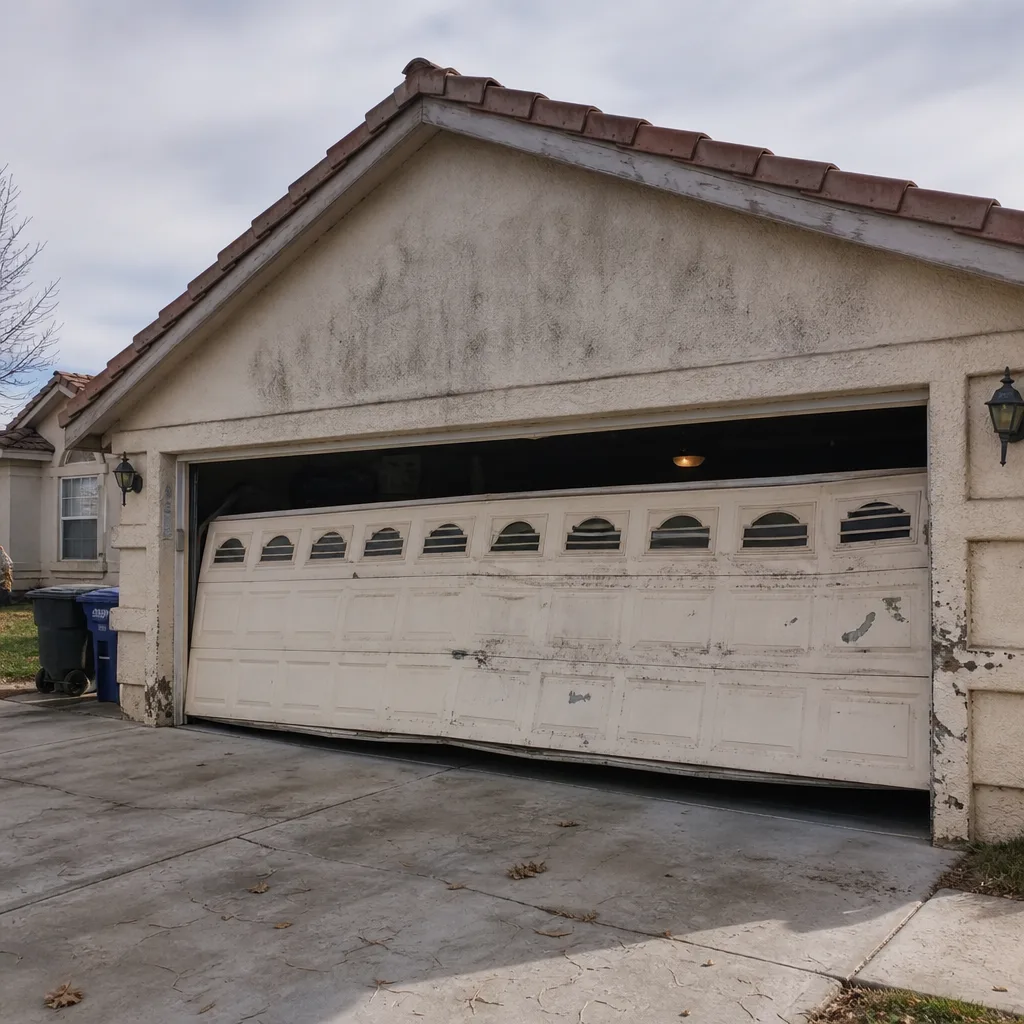 Before
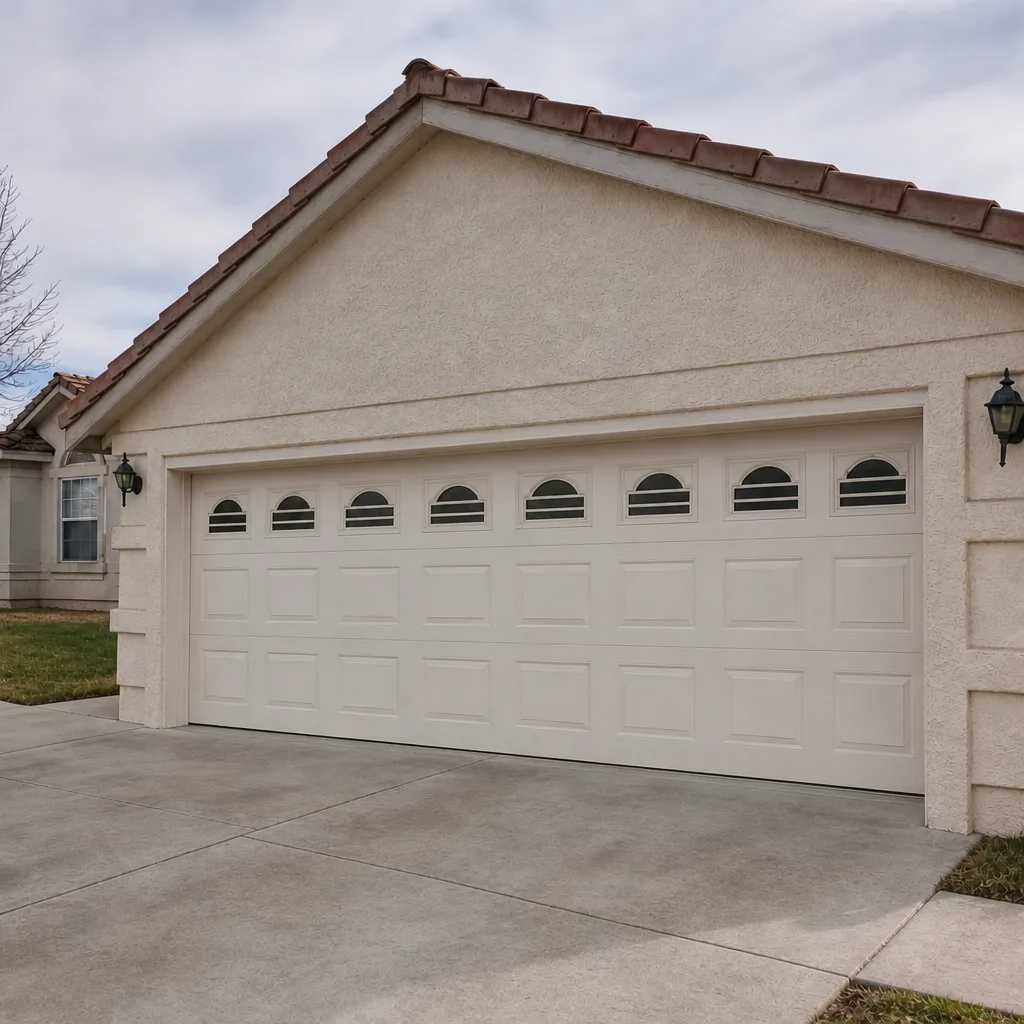 After
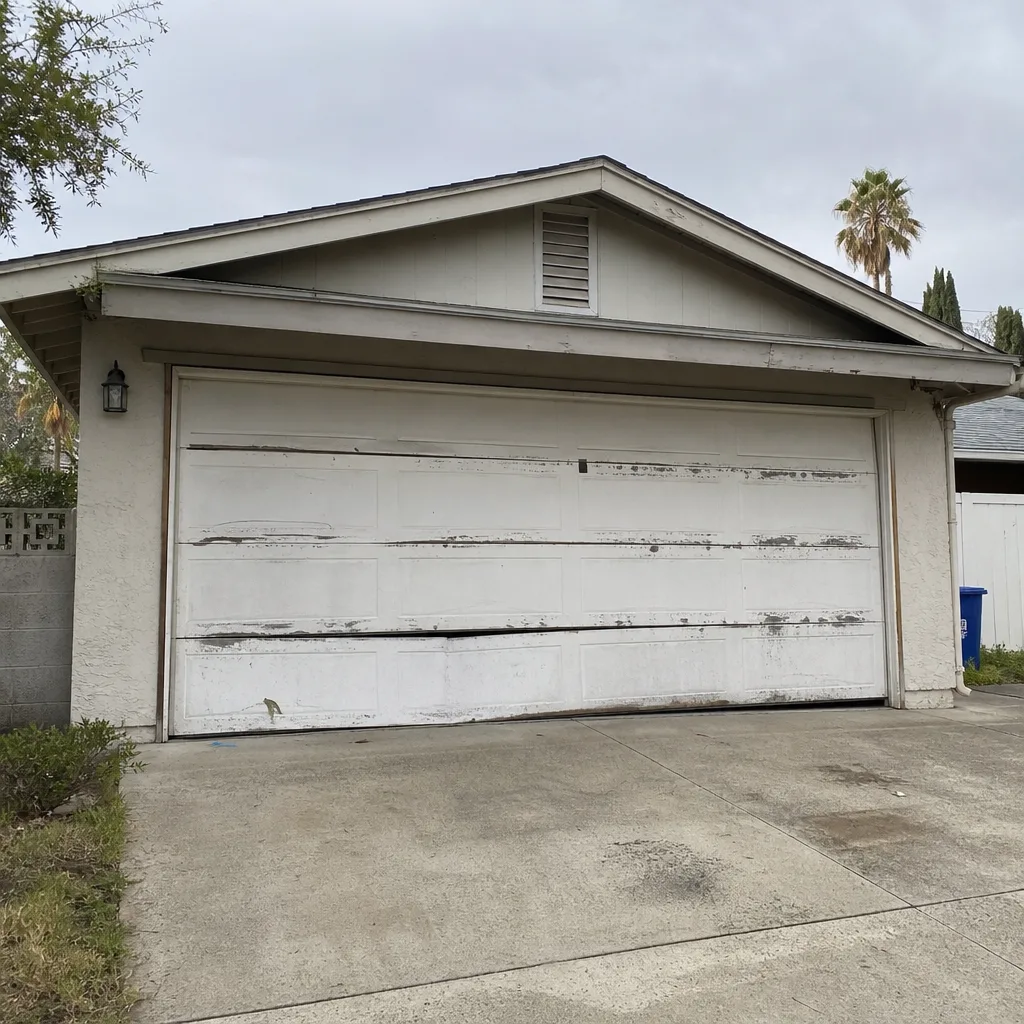 Before
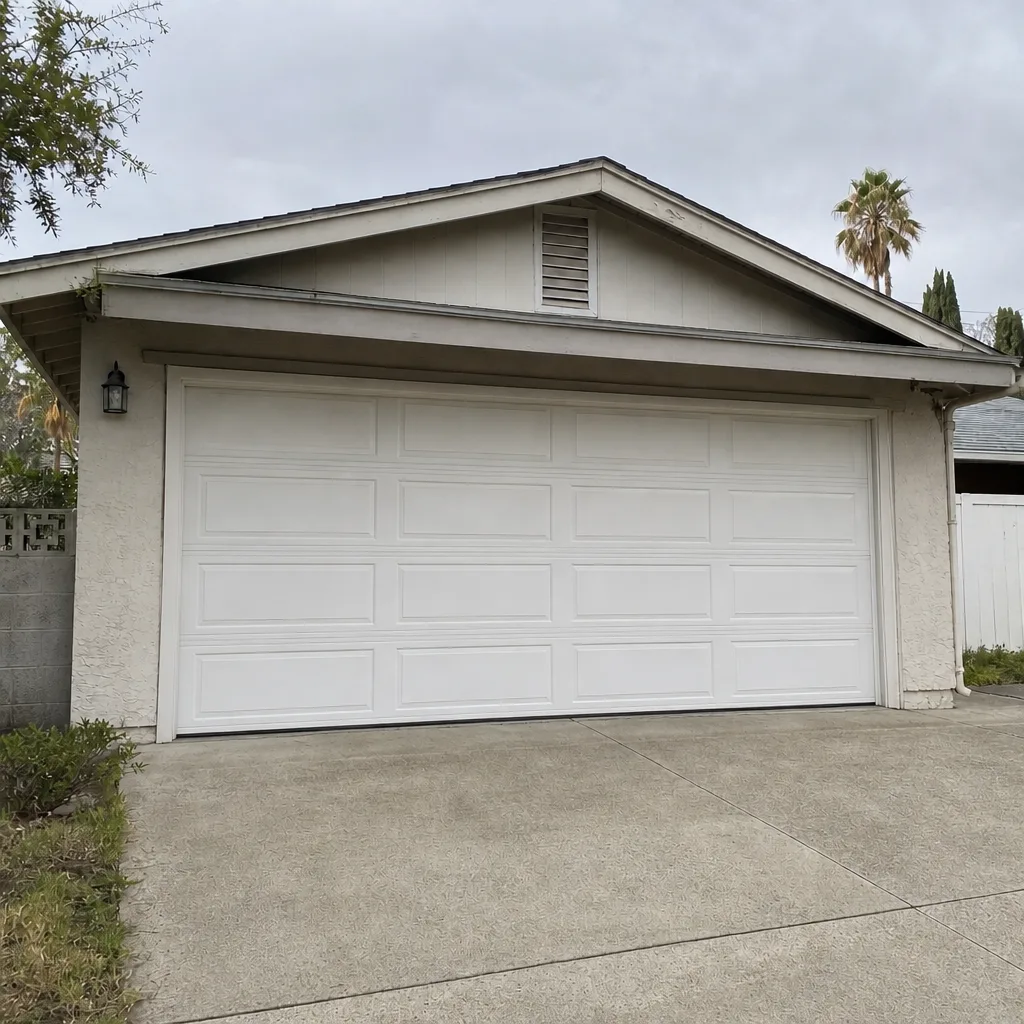 After
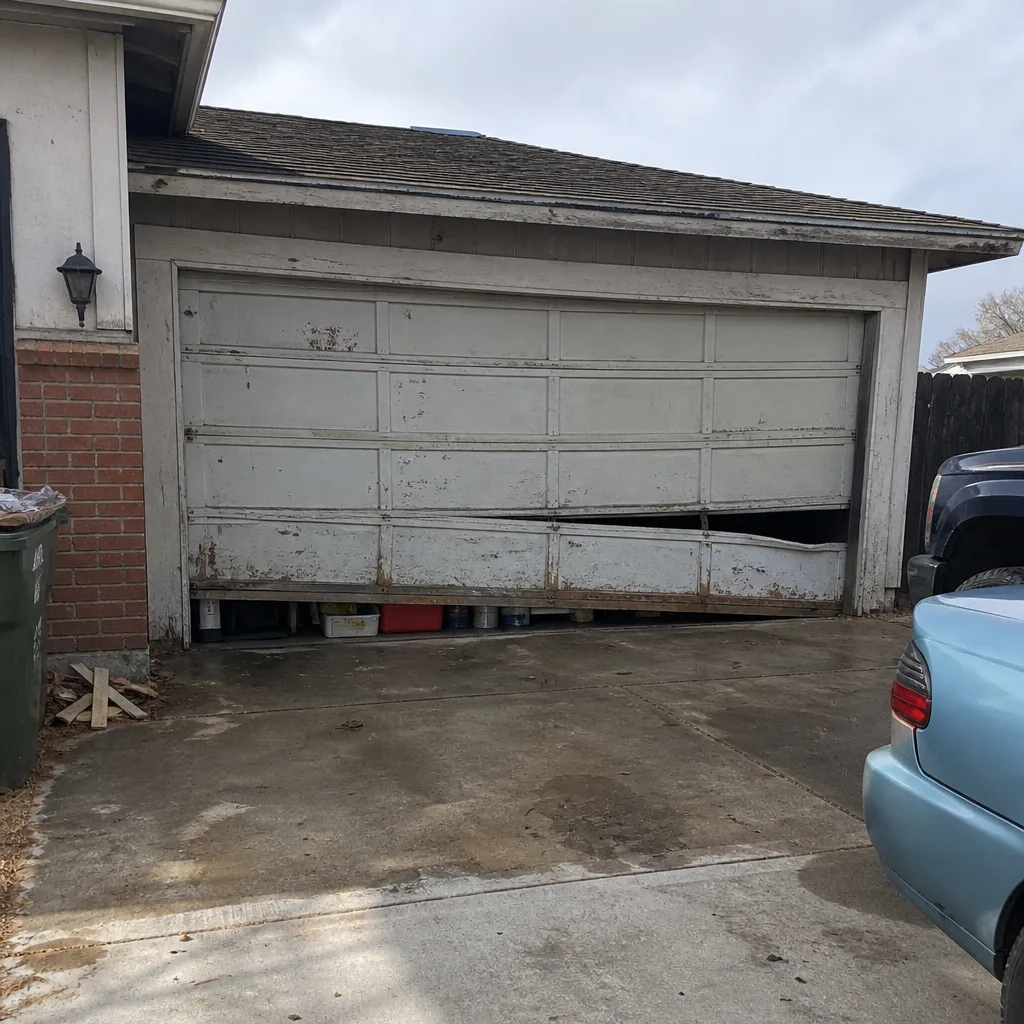 Before
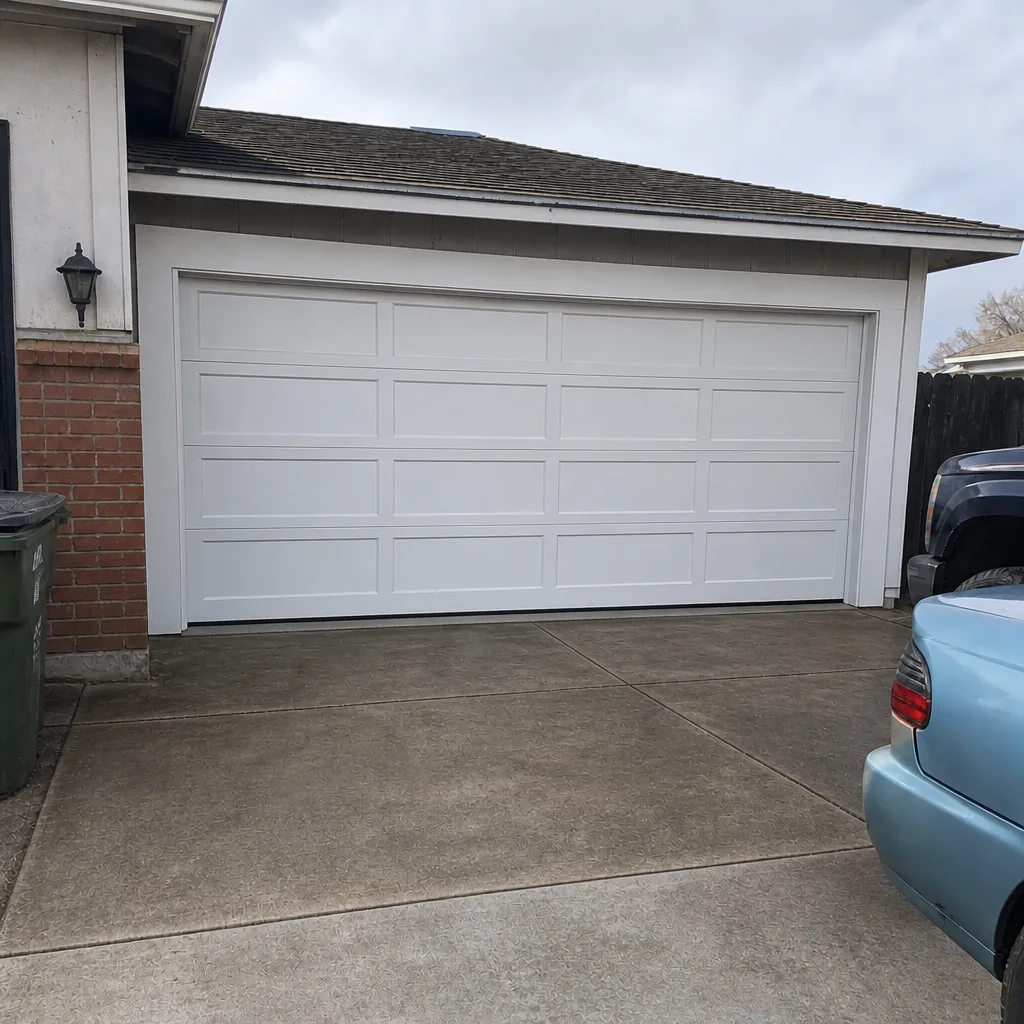 After
When to Call a Professional
Some tasks belong on your calendar. Others belong on ours. Call a professional if the door is out of balance, if a spring is broken or has visible gaps, if a cable is frayed, kinked or rust-streaked, if the opener reverses for no reason, if the door binds or scrapes the track, or if you hear a loud pop followed by the door not lifting. Those are the situations where a DIY fix can make things worse or cause injury. Belmont Garage Door Service offers free estimates in Paradise – call (844) 665-0023. We answer 24/7. Fast dispatch from 7am to 7pm, Sunday through Friday. Our technicians have up to 8 years of experience, and we work on the brand you already have, from Raynor and LiftMaster to Chamberlain and Genie. Repair first, replace only when it makes sense, and the price is quoted and agreed before any work starts.
Frequently Asked Questions
Every three to four months, rather than the once-a-year interval most manufacturer manuals suggest. Desert heat breaks down lubricant faster than a mild climate, so a door in Paradise needs the schedule roughly doubled.
Spring lubrication and cable inspection are the two highest-value tasks. A well-lubricated spring lasts longer and a visual cable check catches fraying before it becomes a failure. Both are safe to do by eye and by hand without touching a wound spring.
You can safely handle lubrication, cleaning, visual inspections and safety-reverse testing yourself. Leave spring replacement, cable work, track adjustment and opener force settings to a trained professional, because those parts store dangerous energy.
Silicone spray is the best all-around choice for tracks, rollers and the torsion tube in Paradise. It goes on dry, holds up to heat and doesn’t attract dust. White lithium grease works for hinge pins in small amounts; avoid petroleum-based oils on tracks.
UV haze and desert dust cloud the plastic lenses faster here than in milder climates. Wipe them monthly with a soft cloth. If they stay cloudy after cleaning, the lens has degraded and the eye unit needs replacing.
Repair makes sense when the door is structurally sound and only individual parts are worn. Replacement is worth considering when panels are cracked or rusted through, the door is consistently out of balance, or repeated repairs cost more than a new door. We’ll give you an honest read either way – that’s the Paradise approach we take, no pressure to replace when a repair will do.
The Bottom Line
Paradise’s climate runs a garage door hard. Heat expansion cycles, monsoon dust and UV all push the maintenance clock faster than a manufacturer’s interval assumes. The schedule is simple: lubricate every three to four months with silicone spray, inspect rollers and hinges twice a year, check the bottom seal every spring, wipe the photo-eyes monthly, and run a safety-reverse test every January. Prioritize spring lubrication and cable inspection, skip the oversold tasks, and write it all down on a garage log. Do that, and you’ll get years more out of the door you already have.
Need a hand with the schedule? Call (844) 665-0023 for a free estimate. We answer 24/7. Fast dispatch from 7am to 7pm, Sunday through Friday. Estimates are free, and the price is quoted and agreed before any work starts.
Written by the team at Belmont Garage Door Service.