
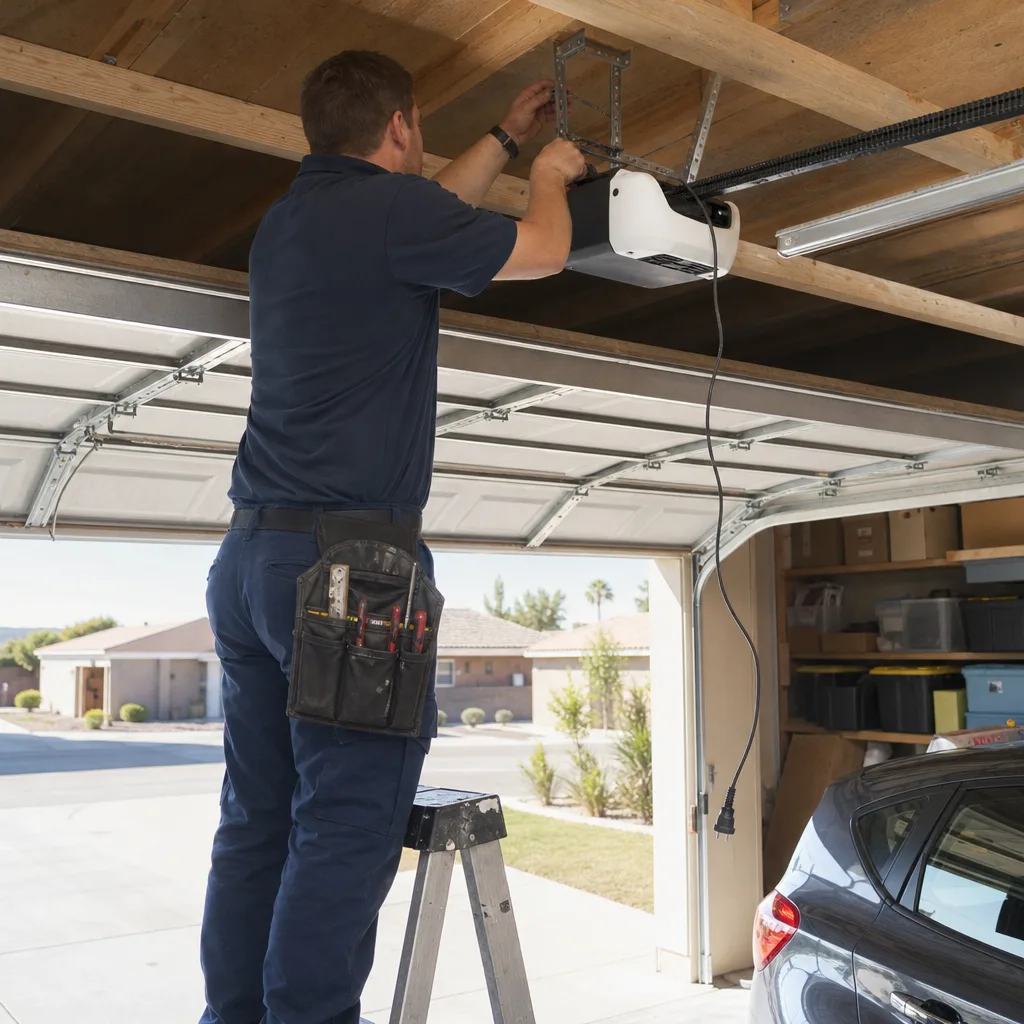
Last updated November 16, 2026
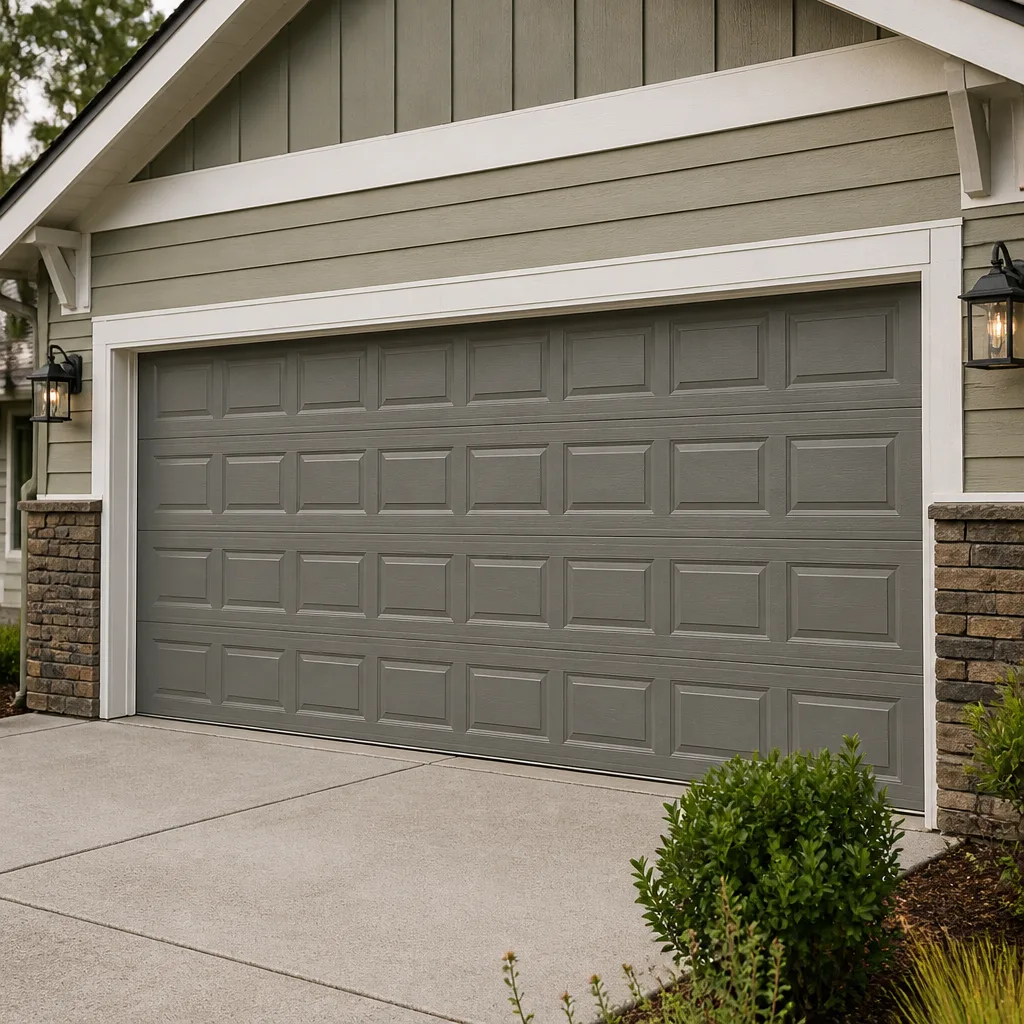 Raised-panel steel
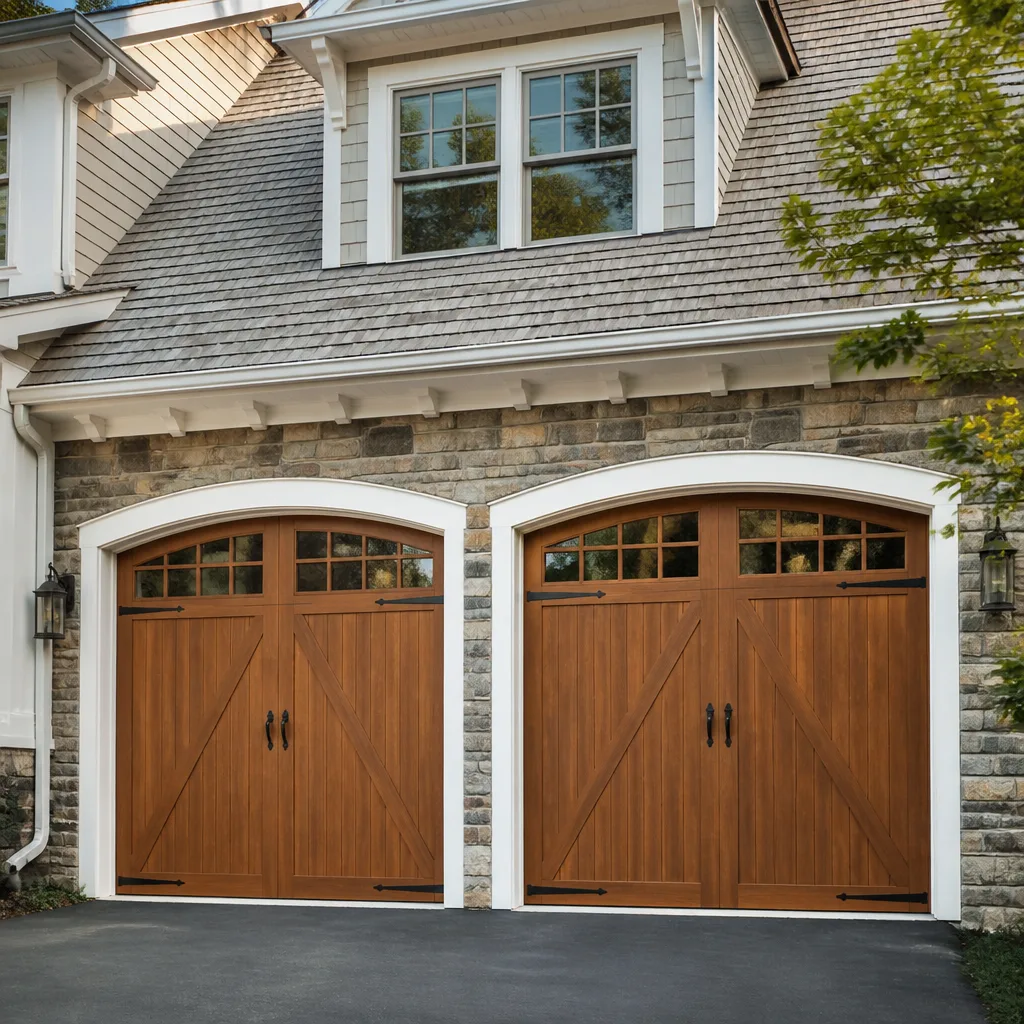 Carriage house
 Modern flush
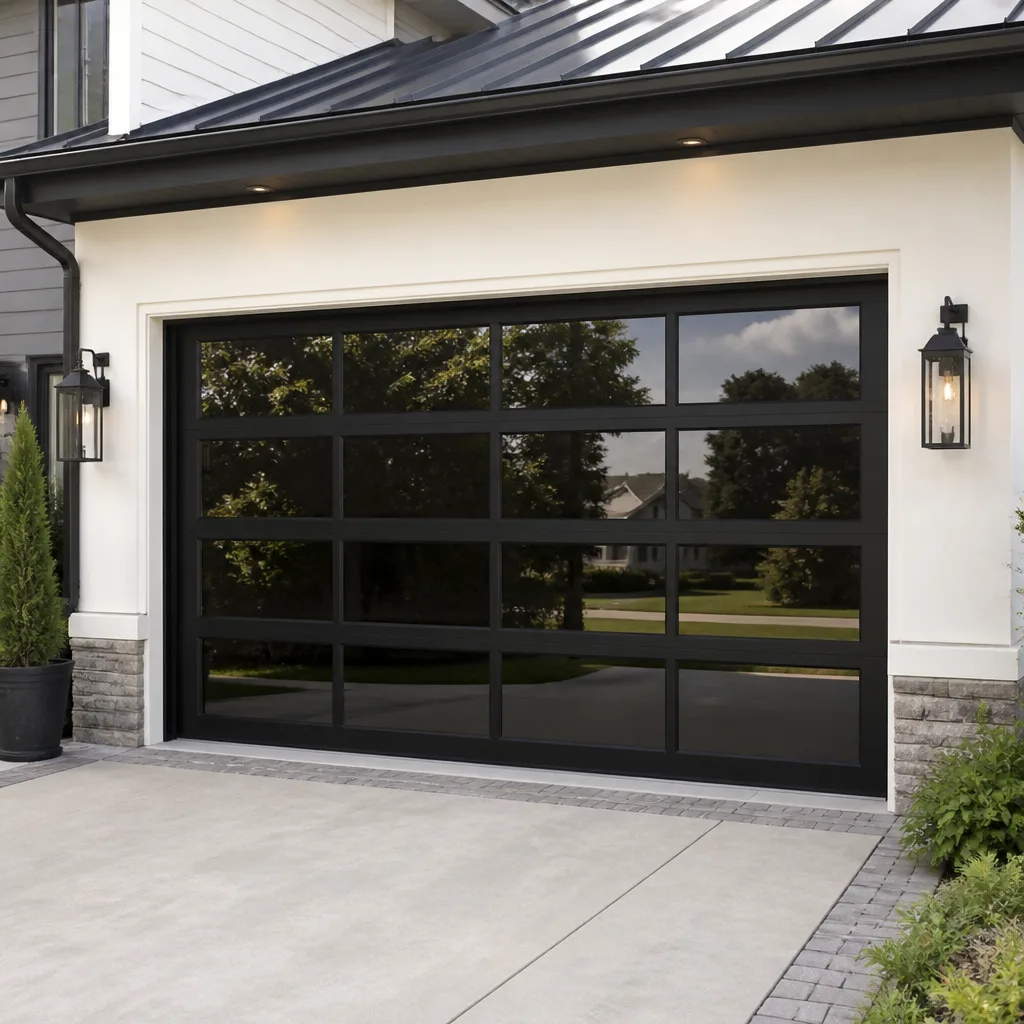 Full-view glass
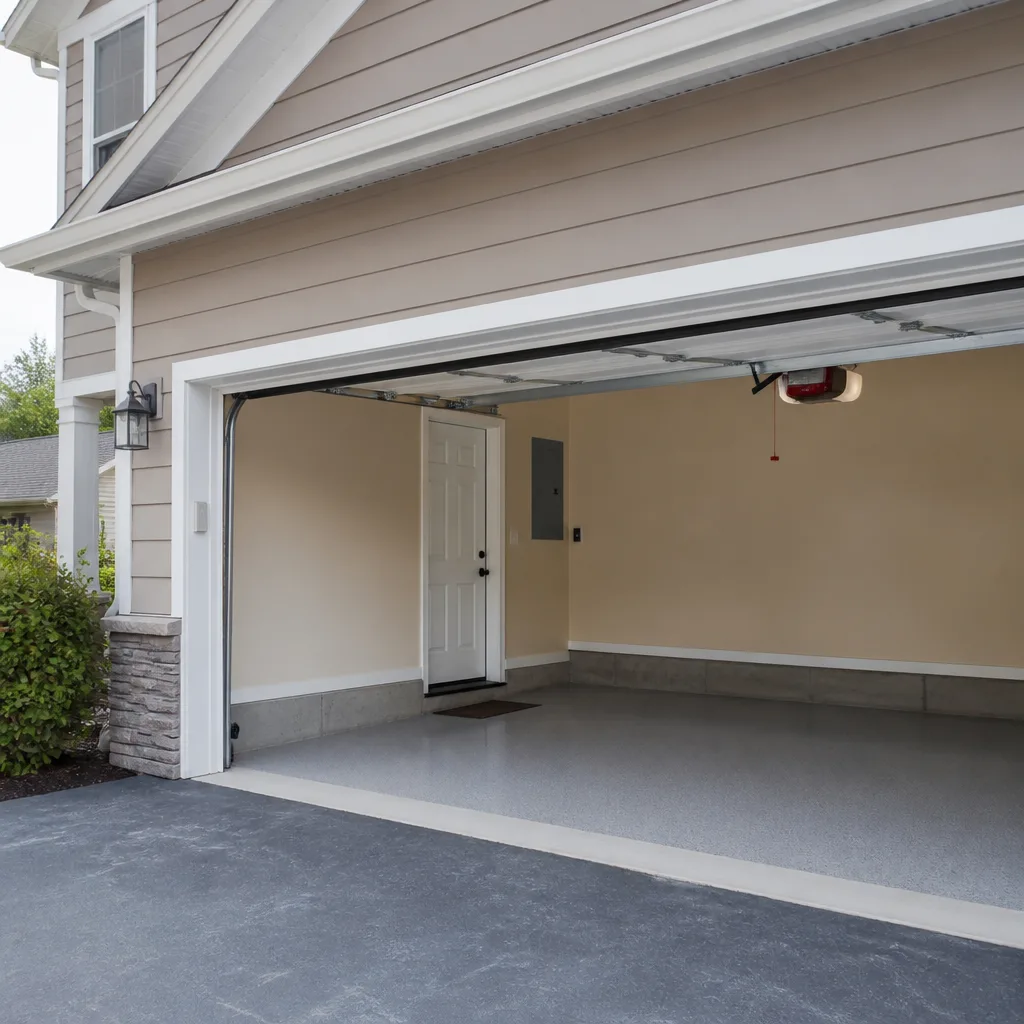 LiftMaster openers
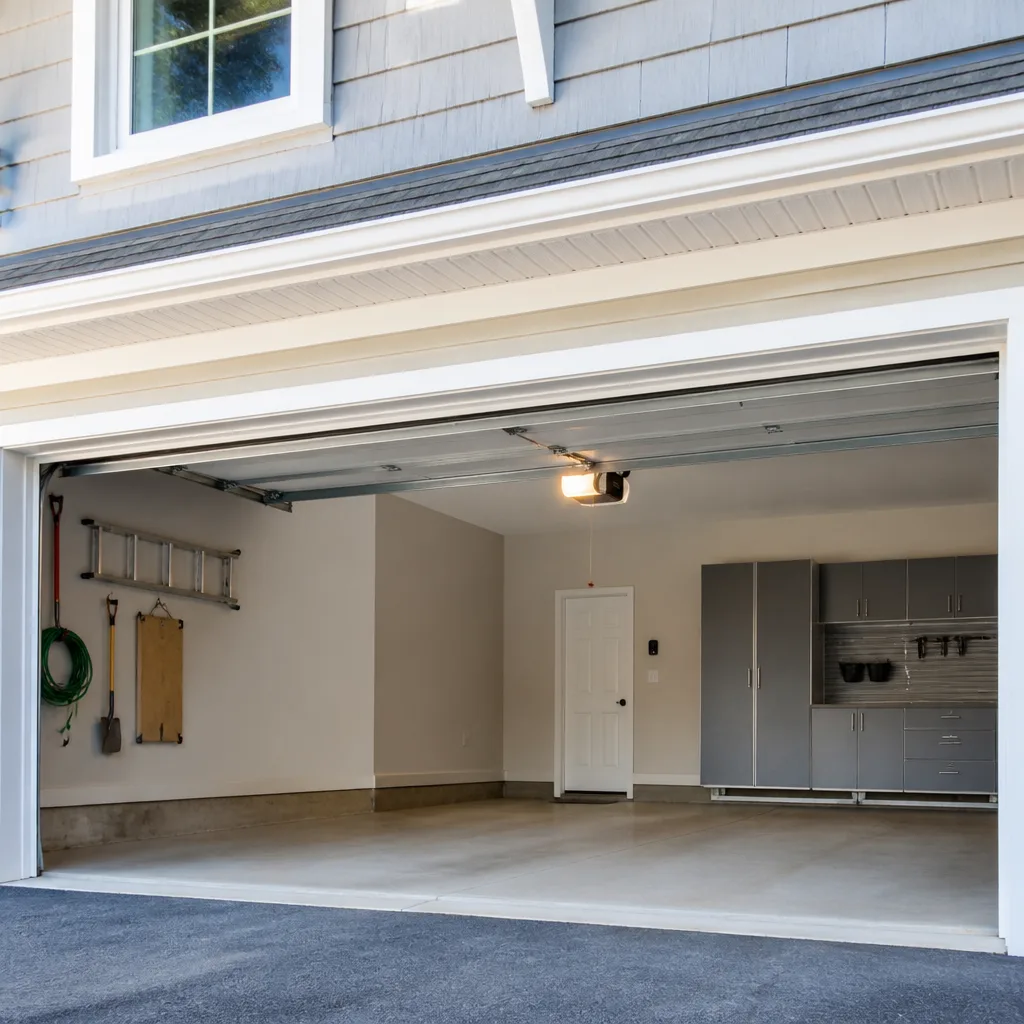 Chamberlain openers
Full 25-point door and opener safety check with every visit - springs, cables, rollers, tracks, and your LiftMaster or Chamberlain opener included
You get a price before we start. It does not change when the pro arrives.
Get your free estimateGarage Door Permits, Codes & Inspections in Paradise, NV: What You Need to Know
Here’s a misconception that costs Paradise homeowners real money at closing: that every garage door job is permit-free. For a straight panel-for-panel replacement, that’s usually true. But the moment a project touches structure, wiring, or something the county considers new electrical work, the rules change. Add a battery-backup opener to a door that never had one and you may be looking at a permit your contractor never mentioned. That gap is small during the job and enormous during a home sale. This guide walks through the Clark County thresholds that trigger a permit, how Paradise’s unincorporated status changes which office you deal with, what an unpermitted door looks like in a Nevada transaction, and how to fix work a previous owner left behind. We’re Belmont Garage Door Service, and garage doors are all we do.
Quick Answer
In Paradise, most simple garage door and opener replacements don’t require a building permit, but structural changes, new electrical circuits for an opener, and some battery-backup additions to doors that had no electrical service can trigger a Clark County permit. Because Paradise is unincorporated, permits and inspections run through Clark County rather than a city building department. HOA architectural approval is a separate step and you may need both.
Styles & brands we work with
- Raised-panel steel
- Carriage house
- Modern flush
- Full-view glass
- LiftMaster openers
- Chamberlain openers
Table of Contents
- What Triggers a Permit in Clark County?
- Why Paradise’s Unincorporated Status Matters
- What an Inspection Actually Covers
- Unpermitted Work in a Nevada Home Sale
- HOA Approval vs. County Permit
- Retroactively Permitting an Existing Installation
- How the Desert Affects the Hardware
- Common Mistakes to Avoid
What Triggers a Permit in Clark County?
Permit rules hinge on what the job changes, not on the brand or model. Replacing a door panel or a whole door in the same opening, with the same size and same track layout, is generally treated as maintenance. Changing the opening itself, adding structural support, or running new electrical service is a different category. That distinction is where most permit questions live.
Here’s how the thresholds break down in practice:
- Direct replacement, same opening: Usually no permit. The door comes out, the new door goes into existing tracks and headers. Same size, same spring system type.
- Structural change: Widening the opening, raising the header, removing a post, or changing how the door is anchored typically triggers a permit because the work touches framing.
- New electrical: Running a new circuit, adding an outlet in the garage ceiling, or installing an opener on a door that had no opener previously. This is the one that surprises people.
- Battery-backup opener on a door with existing power: Often treated as a swap. Confirm with the county before you assume.
- Battery-backup opener on a door with no existing opener wiring: May be classified as new electrical work, and that means a permit.
The last item is the one we get asked about most. A homeowner reads about battery-backup openers, buys a LiftMaster or Chamberlain unit with a built-in battery, and asks us to install it. If the door already had an opener and a live outlet in the ceiling, we’re usually in swap territory. If the door was manual with no wiring at all, the job may need electrical work first, and electrical work is where the permit conversation starts. The county’s building department is the final word on any specific address, so a quick call before the job saves a lot of hassle after.
One more note on springs, cables, and tracks. Replacing a broken torsion spring or a frayed cable doesn’t need a permit, but it’s genuinely dangerous work. High-tension springs store lethal force, and a spring that lets go during a DIY attempt can cause serious injury. We strongly recommend a trained professional for anything involving springs, cables, or the counterbalance system. That’s not a permit issue; it’s a safety issue, and it comes up far more often than a permit does in Paradise.
Why Paradise’s Unincorporated Status Matters
Paradise isn’t a city. It’s an unincorporated township in Clark County, which means there’s no Paradise building department to call and no Paradise permitting desk. Everything routes through Clark County. That’s easy to miss, because places like Winchester, Enterprise, and Spring Valley share the same status, and addresses still read “Paradise, NV.”
What that means for you:
- You deal with the county, not a city. Permit applications, plan reviews, and inspections go through Clark County’s building department.
- Your contractor should know the difference. A crew that works mostly inside Las Vegas city limits may file in the wrong place or assume no permit is needed. Ask which jurisdiction they’re filing with.
- Records live with the county. When you sell, the buyer’s inspector pulls permits from Clark County records. If the work was permitted, there’s a paper trail. If it wasn’t, there’s a gap, and the gap is visible.
We see this play out around the neighborhoods closest to the Strip, in the rental-heavy blocks near the Convention Center, and in the older single-family pockets off Flamingo and Tropicana. Owners in those areas often bought homes that changed hands two or three times, and each hand-off is a chance for an unrecorded garage door job to slip through. A permit search before you buy tells you quickly what the county has on file.
It’s also worth understanding how inspections get scheduled. A permit isn’t a rubber stamp. Some jobs need a rough-in inspection before the door is hung and a final inspection after. If your contractor pulls the permit and never calls for the inspection, the permit stays open, and an open permit on a county record is its own kind of problem at closing. Ask to see the inspection sign-off before the job is treated as finished.
What an Inspection Actually Covers
An inspection isn’t a judgment on whether the door looks nice. It’s a code check on a specific list, and it usually takes less time than the drive to the property. Knowing what the inspector looks at helps you avoid a failed inspection and a re-schedule that pushes your project back.
Typical checkpoints for a permitted garage door or opener job:
- Structural anchoring: The door and its tracks are fastened into framing that can carry the load. Not just drywall, not just a thin ledger.
- Electrical connections: A permitted opener job gets a look at the wiring, the junction box, and how the unit is grounded.
- Safety reversal: The door’s auto-reverse function must work. If the door meets an obstruction on the way down, it needs to reverse. Opener units from LiftMaster, Chamberlain, Genie, and Raynor all have this built in, but it has to be adjusted correctly after installation.
- Photoelectric safety eyes: The paired sensors at the bottom of the opening must be mounted, aligned, and wired into the operator.
- Manual release: The emergency release cord has to be accessible and functional.
The safest way to think about inspections is that the inspector is confirming the work matches the plan that was filed. If the plan said “replace opener, existing wiring,” and the technician ran a new circuit without adding it to the scope, the inspector sees the mismatch and the job fails. That’s a coordination problem, not a door problem, and it’s the kind of thing that gets missed when a generalist crew is juggling five trades in a week. Our technicians have up to 8 years of experience, and the inspections we’ve been part of run smoother when the paperwork matches the work exactly.
If your home already has a powered opener and you want a garage door opener repair, an inspection usually isn’t part of the picture. Repair is repair. It’s the new installs and structural changes where inspections enter.
Unpermitted Work in a Nevada Home Sale
Here’s what an unpermitted garage door job looks like in a real Nevada transaction. During the inspection period, the buyer’s inspector flags the opener’s wiring as newer than the rest of the garage, or notes that the door size doesn’t match the county record. The buyer asks for the permit. You don’t have one. The seller’s disclosure form, which asks about unpermitted work, suddenly needs an honest answer.
From there, it usually plays out one of three ways:
- The buyer wants it permitted before closing. That means retroactive permitting, which takes time the closing timeline may not have.
- The buyer asks for a credit or price reduction. Depending on how the negotiation goes, this can cost more than the permit and the inspection combined would have.
- The buyer walks. Less common, but real, especially in a slow market where they have other options.
We’re not lawyers, and we’re not real estate agents. What we can tell you is the pattern: unpermitted garage door and opener work is one of the small items that gets discovered late in the process, when there’s the least time to fix it. The people who sleep well during a sale are the ones who pulled the permit when the work happened, even when it felt like overkill at the time.
For buyers, the checklist is short. Before you close, ask for the county permit history on the property. Walk into the garage and look at the opener, the ceiling wiring, and the door tracks. If the opener is a smart unit and the ceiling is otherwise bare, ask when it went in. It’s a five-minute check that can prevent a very expensive conversation later.
HOA Approval vs. County Permit
Two separate processes, two separate offices, and yes, you may need both. The county cares about code compliance. The HOA cares about how your door looks from the street. Getting one and skipping the other is a common and avoidable mistake.
Here’s the split:
- County permit: Triggered by structural change or new electrical work. Filed with Clark County. Inspected by a county inspector. Shows up in county records. Protects you at resale.
- HOA architectural approval: Triggered by a visible change to the door, its color, its window configuration, or in some cases the opener’s exterior appearance. Filed with your HOA’s architectural review committee. Doesn’t touch county records. Can be denied even when the county says yes.
In Paradise, plenty of neighborhoods have HOA rules about door color and style, and a few restrict certain panel types or window placement. The failure mode we see most: a homeowner gets county sign-off for a structural change and skips the HOA, or gets HOA approval for a new door and skips the county permit because their installer told them it wasn’t needed. Either path gets expensive when the other side finds out.
The right order is generally HOA first, then county. HOA approval is the design decision. The county permit is the construction decision. If the HOA denies a door style, there’s no point filing a county permit for a job that won’t happen. Get the design settled, then handle the construction paperwork.
One more wrinkle. Colorado-region HOA rules are sometimes written years ago and reference older door styles. A modern Clopay or Amarr door may not match the language in the HOA’s guideline document even though it’s a near-perfect visual match. Ask for a written interpretation before you order. That step alone has saved more than one Paradise homeowner a restocking fee.
Retroactively Permitting an Existing Installation
You bought a house with an opener that clearly went in before you got there. The wiring looks newer than the rest of the garage. There’s no permit on the county record. What now?
Retroactive permitting is possible, and the process follows a pattern. It’s not fast, and it usually involves a fee, but it’s far less painful than discovering the problem mid-sale. Here’s how it typically goes:
- Pull the county records. Find out what’s actually on file for the property. Sometimes the work was permitted and the paperwork just never made it to the buyer.
- Document what’s there. A contractor photographs the installation, notes the wiring, the model, and the anchoring. This becomes the basis for the permit application.
- File the permit as an existing installation. The application describes what’s there now, not what will be installed. The county reviews it on that basis.
- Schedule the inspection. An inspector looks at the existing work and either signs off or flags items to fix.
- Fix flagged items. Sometimes it’s a grounding issue or a safety-eye alignment. Sometimes it’s an anchoring problem. Small fixes, but they need to happen.
- Close the permit. The county record gets updated. The paper trail exists. You’re clean at resale.
The best time to start is the day you buy the house, not the week you list it. We’ve walked Paradise homeowners through this process more than once, and the owners who did it early spent far less time and stress than the ones who waited.
The good news is that retroactive permitting is often cheaper and quicker than a full new install. In most cases the door is fine. It just needs the paperwork to catch up to it. If your situation is on the repair side rather than the permitting side, our garage door repair team can look at the door itself while we’re there and tell you whether anything needs fixing before the county inspection.
How the Desert Affects the Hardware
Paradise is desert valley. Long, hot summers, intense sun exposure on south- and west-facing doors, and dry air for most of the year. That climate is gentle on some parts of a garage door and hard on others, and it shapes what an inspector will actually flag when they look at your installation.
What the desert does to a door:
- Springs and cables wear differently. Heat cycling stresses the counterbalance system, and the wear tends not to be visible from the outside. An inspector can’t tell you the spring is near failure. A technician can.
- Seals and weatherstripping dry out faster. The rubber along the bottom of the door and around the frame dries and cracks in full sun, which matters more on west-facing doors. That lets in dust and heat, and it’s an easy fix.
- Panels flex. Sun on the sun-facing side of a door can cause the panel skins to expand unevenly, which in some installations leads to a slight bow. Inspectors won’t fail a door for cosmetic bowing, but a technician can catch it before it becomes a full track problem.
- Dust gets into the tracks. The valley’s fine dust makes its way into the tracks and rollers, and dry rollers get noisy and worn faster. Cleaning them out is routine maintenance, not a code issue.
None of this changes the permit question directly, but it does shape what a technician finds when they’re on site for a permitted install. If we’re hanging a new door as part of a permitted job, we check the existing springs, tracks, and seals at the same time. Sometimes the permit inspection passes cleanly on the door but the springs need replacing in the next year, and it’s better to know that now than six months in. Brands like Raynor and Genie hold up well in this climate, but no brand defeats sun exposure over time. Maintenance is what buys you years.
If you’re in one of the taller, older neighborhoods or a home with a garage door facing into the afternoon sun, an inspection of the door’s counterbalance is worth doing on its own, permit or no permit.
Common Mistakes to Avoid
- Assuming every job is permit-free. Straight replacements often are. New electrical work often isn’t. The difference matters more than the door itself.
- Trusting a contractor who says “you don’t need a permit” without checking. Your contractor’s opinion isn’t a permit. A quick call to the Clark County building department settles it.
- Skipping HOA approval because the county laughed at the design. HOA rules exist on top of county code. Getting county sign-off doesn’t satisfy the HOA.
- Pulling the permit but never scheduling the inspection. An open permit is its own problem at resale, even when the work is fine.
- Installing an opener on a live-in-a-new-house basis without checking records. The previous owner’s unpermitted work becomes your problem the day you close.
- Treating a battery-backup opener as a simple swap when the door never had power. This is the specific case where “no permit needed” turns out to be wrong, and it’s a conversation to have before the job starts, not after.
- Waiting until listing to fix a paper trail. Retroactive permitting takes time, and the worst time to discover you need it is two weeks from closing.
See the difference
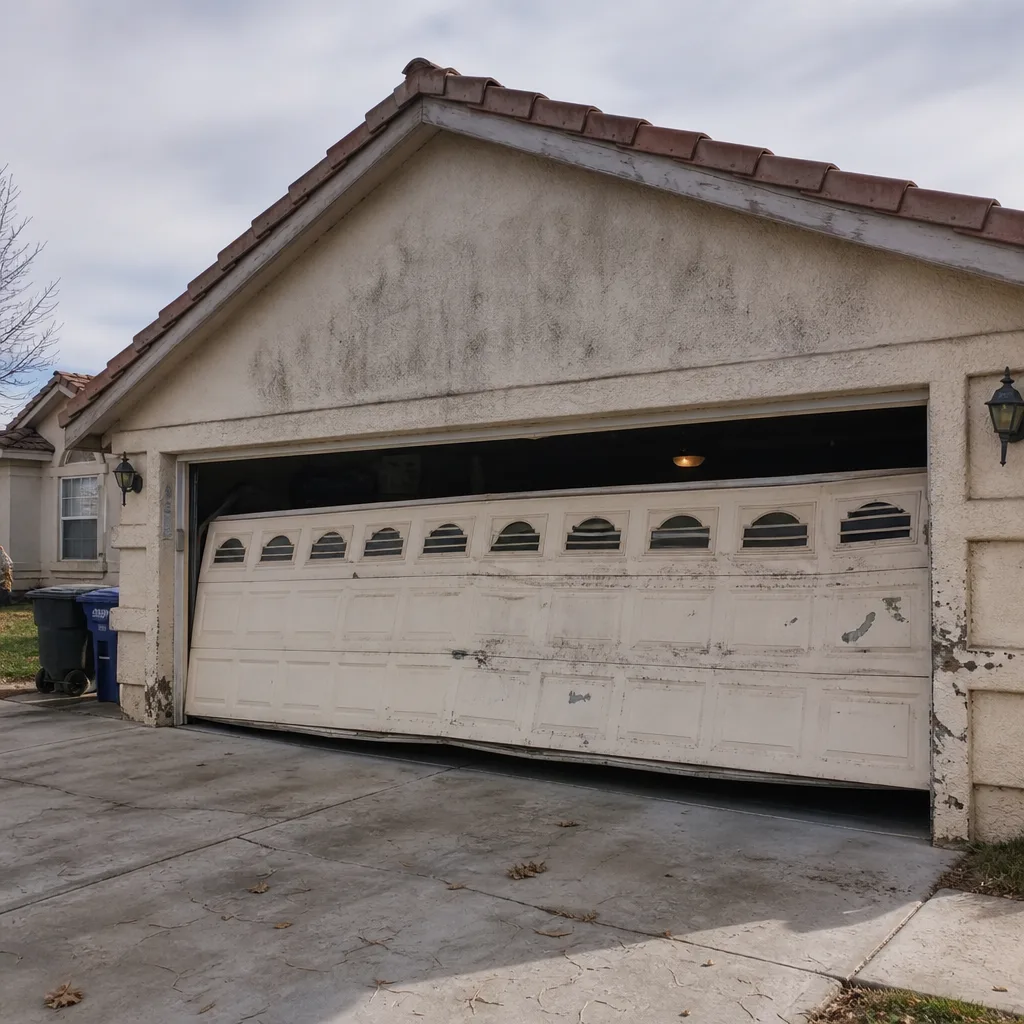 Before
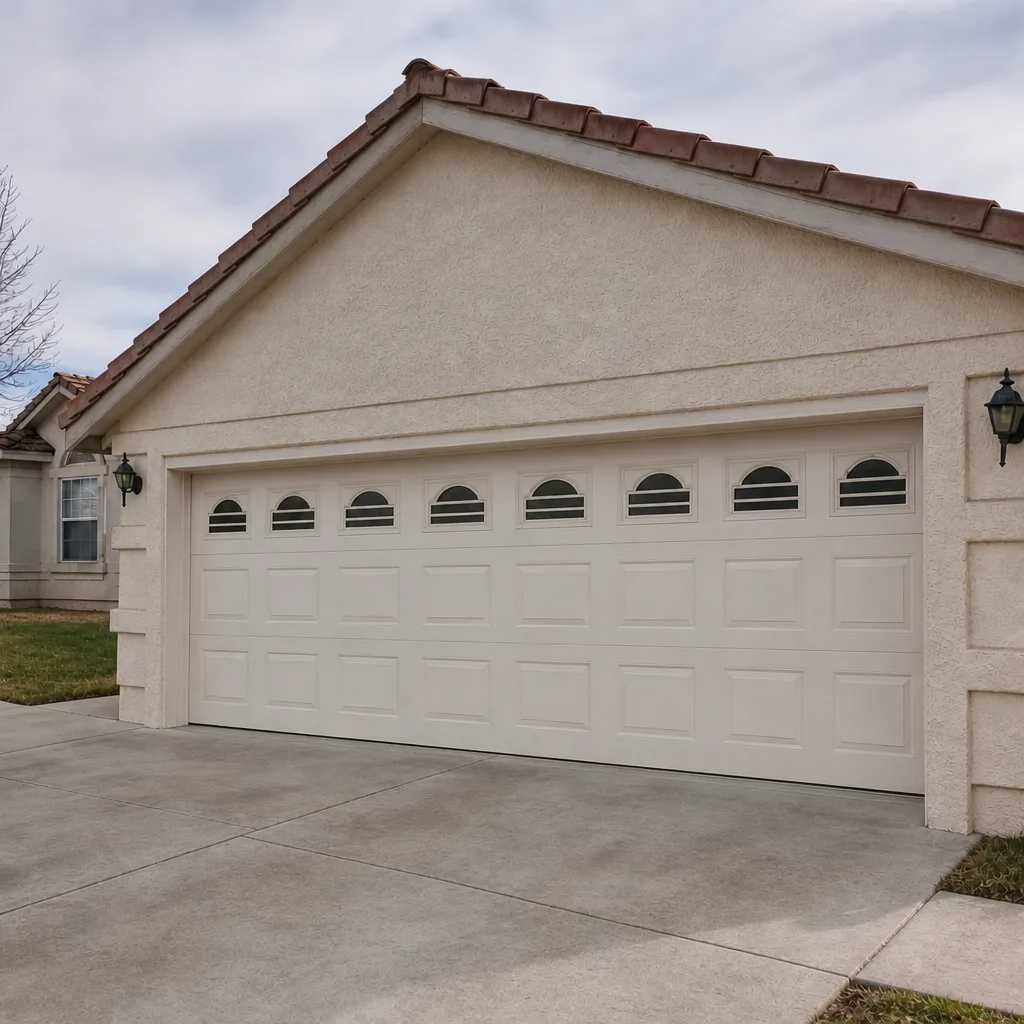 After
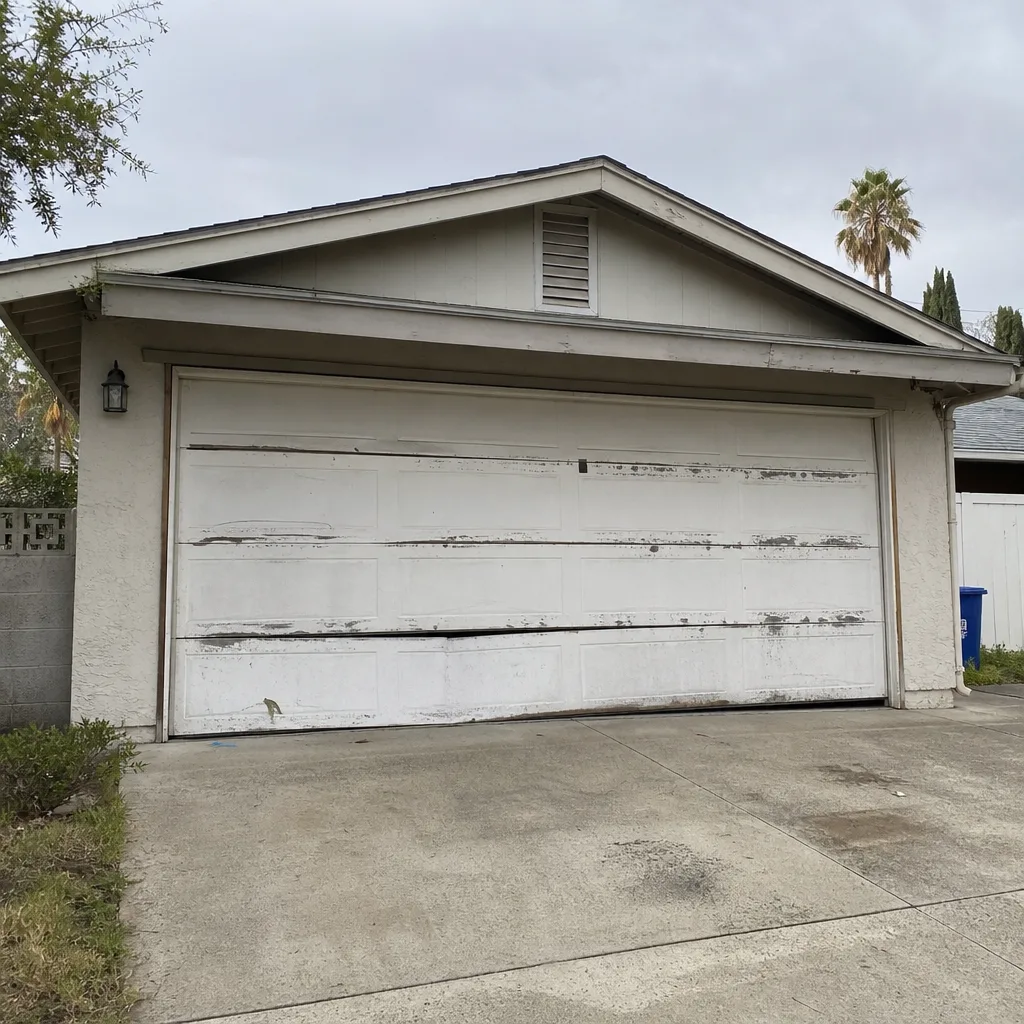 Before
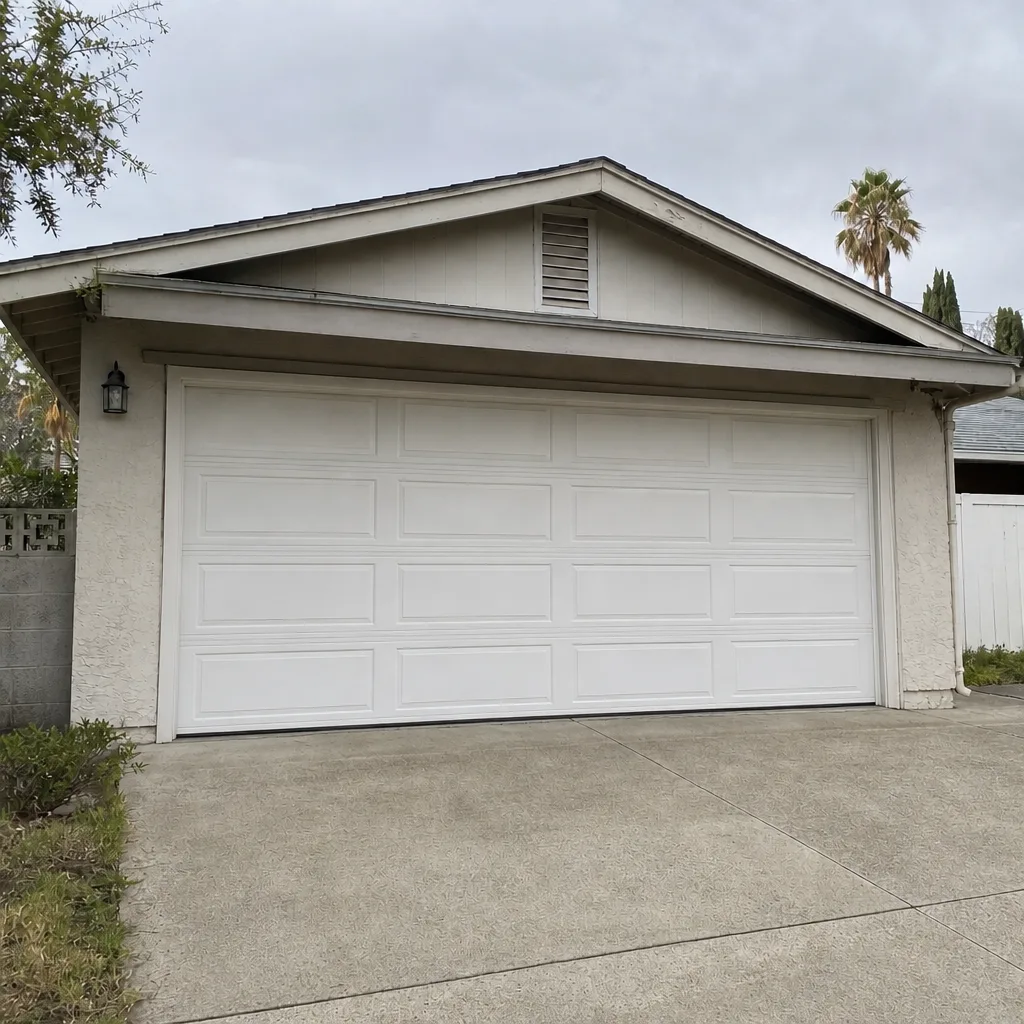 After
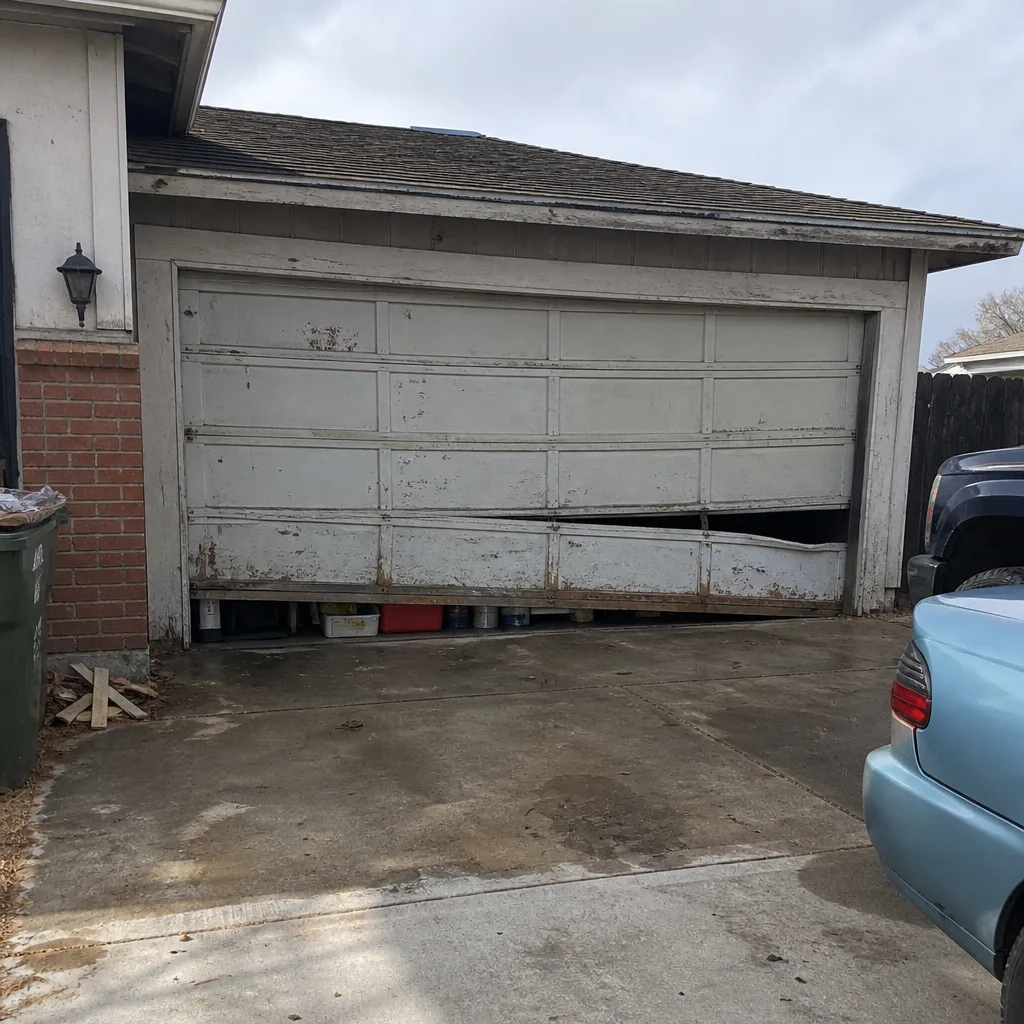 Before
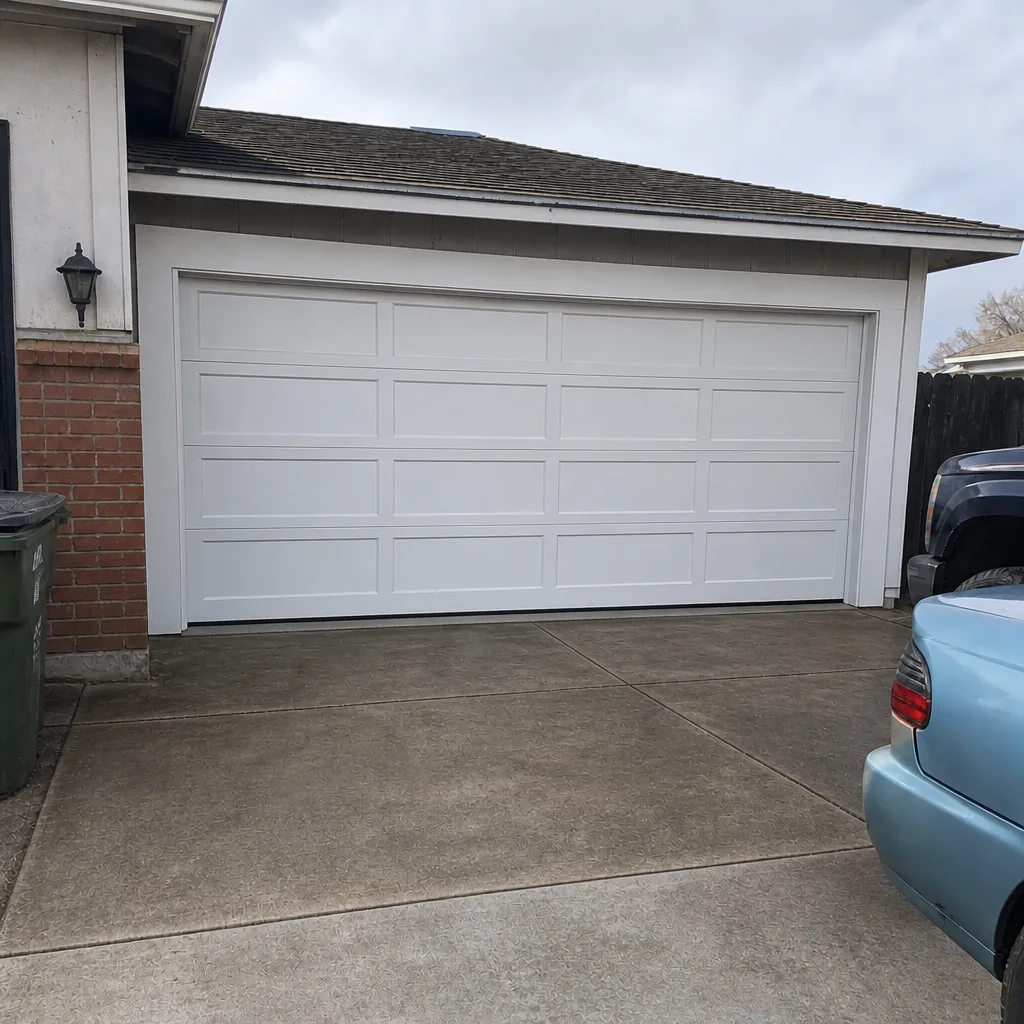 After
When to Call a Professional
Call us when you’re not sure whether the job needs a permit, and you want a straight answer instead of a guess. Call us when you’re facing a structural change, a battery-backup opener on a door that never had power, or a retroactive permitting situation you want to sort out before you sell. Call us when a spring breaks, when the door won’t close evenly, or when an opener from LiftMaster, Chamberlain, Genie, Raynor, Clopay, Amarr, Wayne Dalton, or Craftsman is doing something it shouldn’t. Garage doors are all we do, so a technician arrives already knowing the brand and the system. Belmont Garage Door Service offers free estimates in Paradise: call (844) 665-0023. We answer 24/7. Fast dispatch from 7am to 7pm, Sunday through Friday.
Frequently Asked Questions
Usually no, if it’s a direct replacement in the same opening with no structural or electrical changes. A permit is more likely when the job touches framing, widens the opening, or runs new electrical service. Because Paradise is unincorporated, permits go through Clark County, so call the county building department before you assume. If you’re not sure which side of the line your job falls on, call us for a free estimate and we’ll walk through it with you: (844) 665-0023.
It depends on the existing power at the door. Swapping an opener on a door that already had power is usually straightforward. Running new electrical service to a door that never had an opener, or installing a battery-backup unit where there was no wiring, is more likely to be treated as new electrical work. The county makes the call on the specific address. Call (844) 665-0023 and we’ll help you figure it out before the job starts.
No. They’re two separate processes. HOA architectural approval covers design and street appearance. The county permit covers construction and code. You can need one, the other, or both depending on the job. Get HOA approval first, then the county permit. Estimates are free, and we can point you at the paperwork each side needs: call (844) 665-0023.
The buyer’s inspector may flag it, and the sale can get complicated. Common outcomes are a request to permit the work before closing, a price adjustment, or in some cases a dropped offer. Retroactive permitting is possible, but it takes time. The written estimate sets the final price for any work we do, and we’ll quote before anything starts. Call (844) 665-0023 for an exact quote.
Yes, especially if the inspector flags unpermitted work. The fix is usually retroactive permitting, which involves a county application, an inspection, and possibly some small repairs. The scheduling alone can add time you don’t have. If you’re about to list, get the records checked now, before a buyer’s inspector finds something. Call (844) 665-0023 and we’ll help you sort out what’s what.
Yes. The work is performed under a license and the professionals are insured and bonded. Our technicians have up to 8 years of experience, and we work on the brand you already have across eight major manufacturers. Garage doors are all we do, so the work is checked by someone who sees this exact setup every day. Call (844) 665-0023 for an exact quote. Estimates are free.
The Bottom Line
Permits aren’t the interesting part of a garage door project, but they’re the part that shows up at resale. In Paradise, the trigger points are structural changes and new electrical work, and the permit desk is Clark County, not a city. HOA approval is a separate process and often needed on top of it. The single case that catches the most people: a battery-backup opener going onto a door that never had power. That’s the one to check before the job starts. If you’re buying a home, check the county record before you close. If you’re selling, check it before you list. Either way, call us when you’re ready to sort out the door itself, or when the paperwork needs a straight answer.
Call (844) 665-0023. We answer 24/7. Fast dispatch from 7am to 7pm, Sunday through Friday. We’re Belmont Garage Door Service, and if you’re weighing options in Paradise, we can help you figure out what your home actually needs.
Written by the team at Belmont Garage Door Service.