
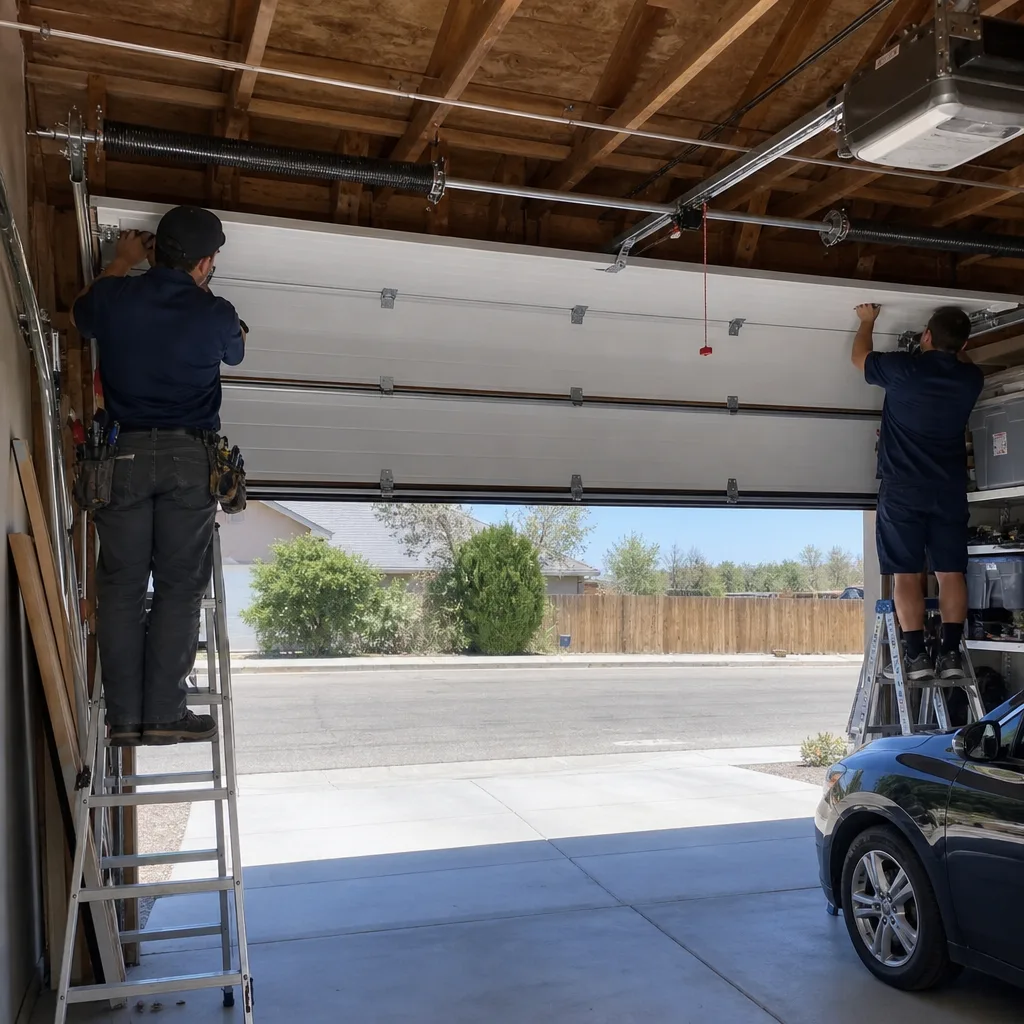
Last updated November 16, 2026
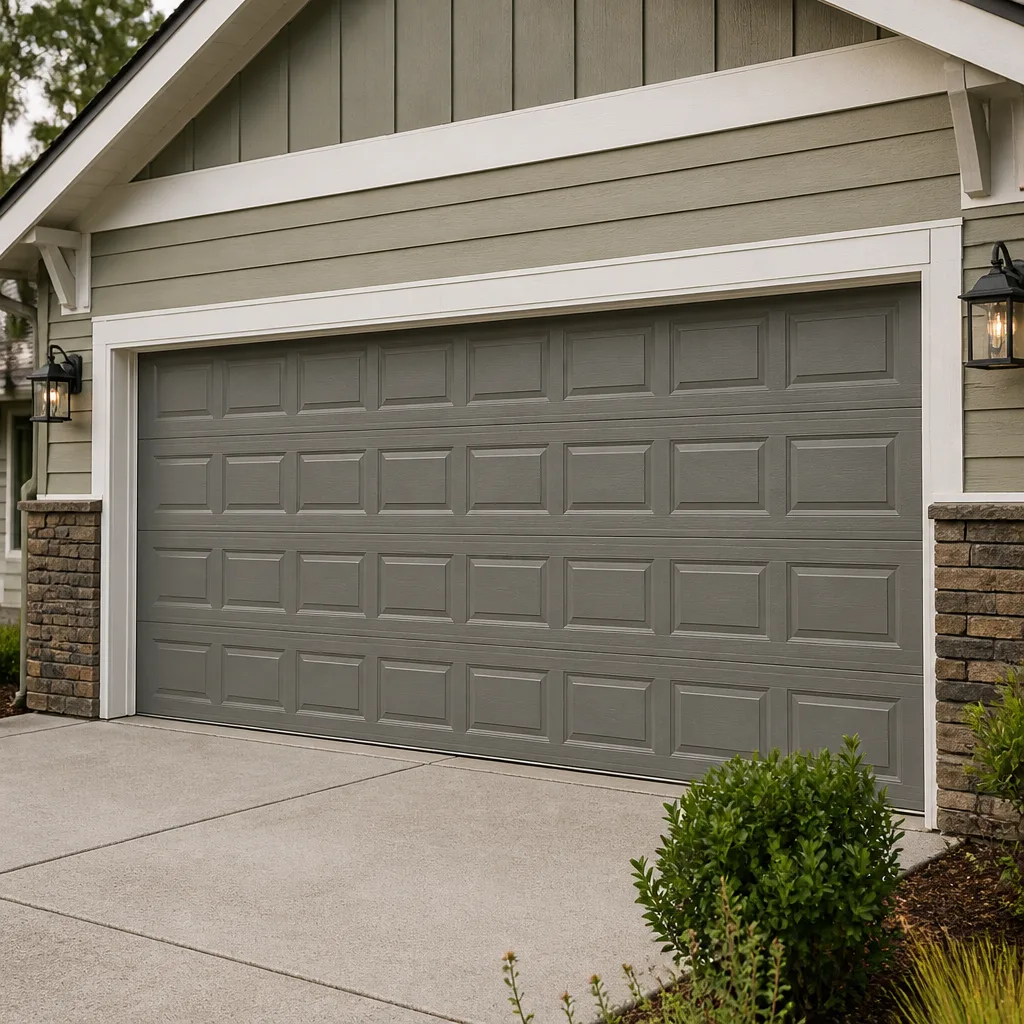 Raised-panel steel
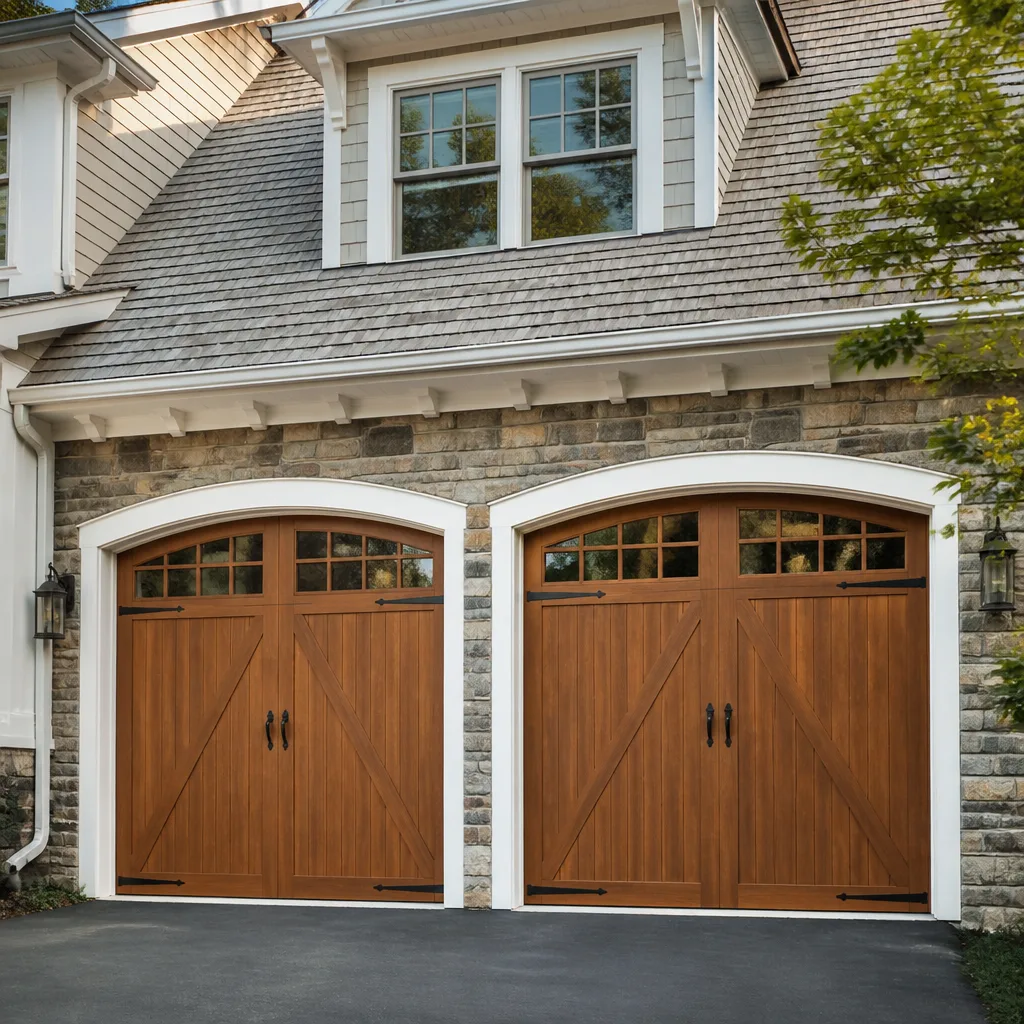 Carriage house
 Modern flush
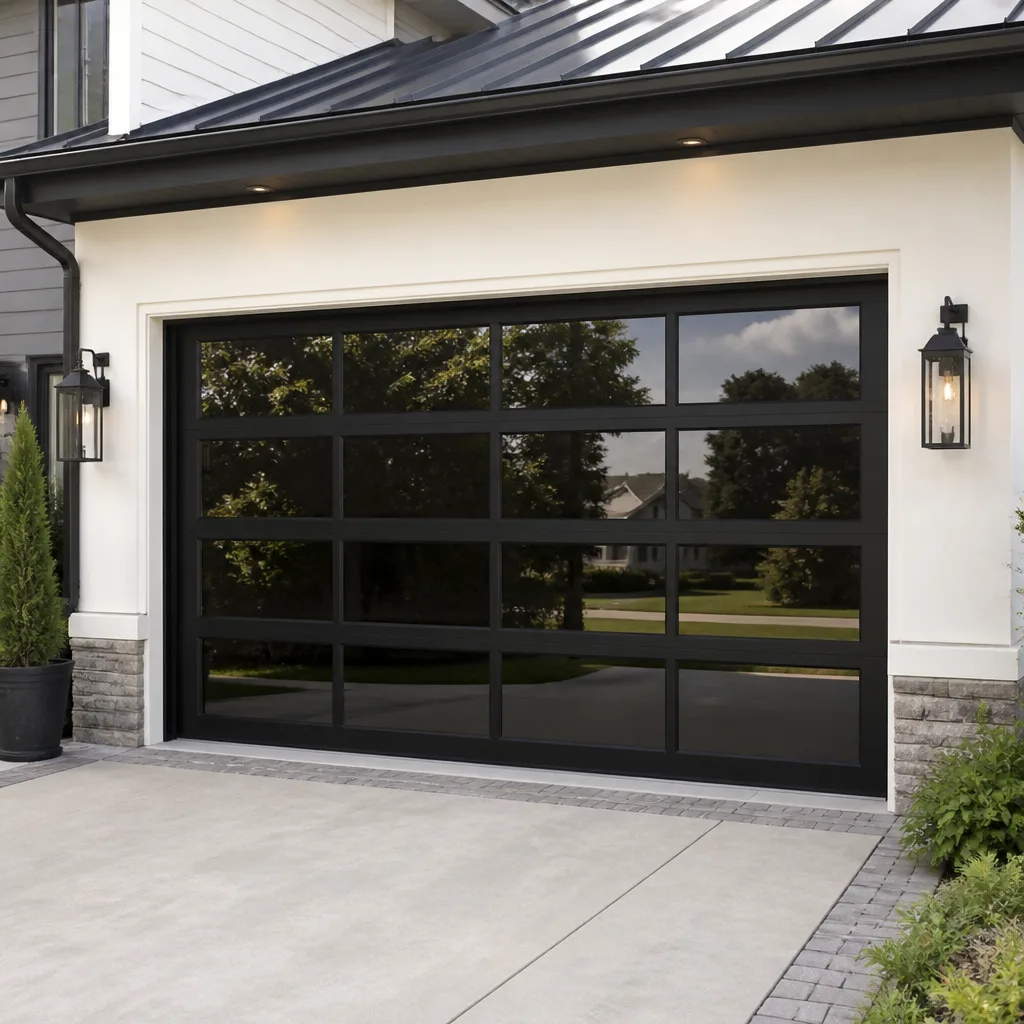 Full-view glass
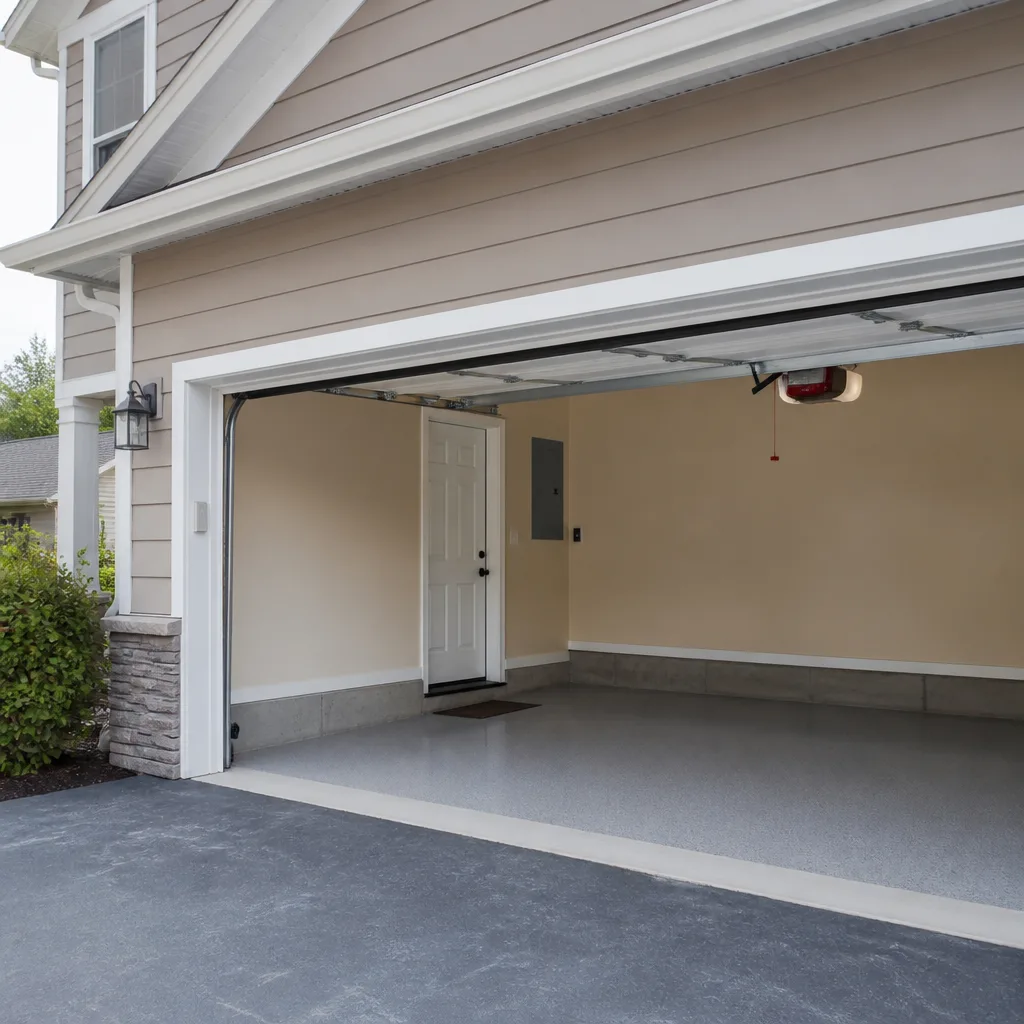 LiftMaster openers
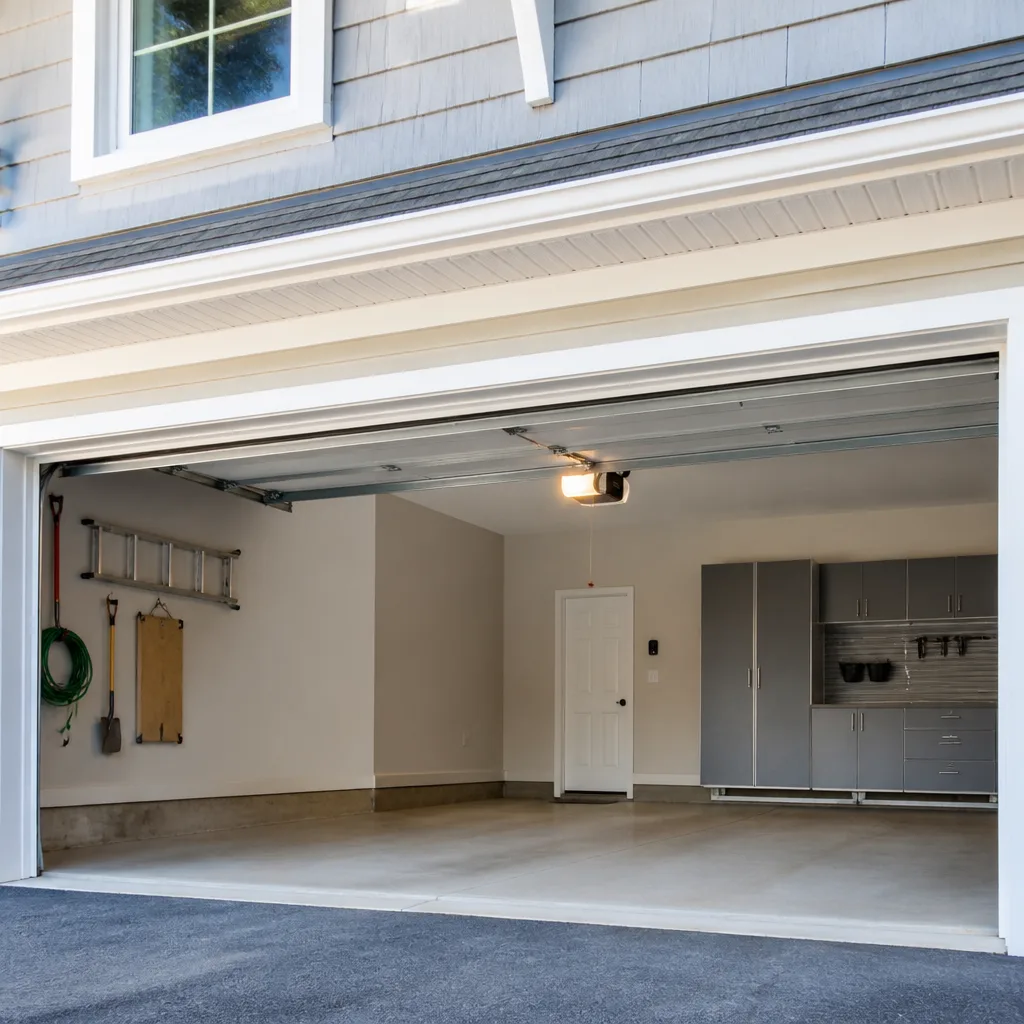 Chamberlain openers
Full 25-point door and opener safety check with every visit - springs, cables, rollers, tracks, and your LiftMaster or Chamberlain opener included
You get a price before we start. It does not change when the pro arrives.
Get your free estimateGarage Door Emergency Preparedness Guide for Paradise Homes
Most garage door advice assumes the power is on. That’s the assumption that fails in Paradise. When the grid goes down on a 112°F afternoon, your opener is dead, your car is inside, and the garage is already hotter than the outside air because it has no shade and no cross-ventilation. The red release cord is supposed to solve this in ten seconds, but under stress, in the dark, with a car you need to move, it isn’t nearly as obvious as it sounds. This guide covers what to do before an outage, what to do during one, and how to secure a door you’ve opened by hand. We’ll walk through the release procedure model by model, battery backup openers that actually hold up in Paradise heat, and the surprisingly common problem of a release cord that a previous owner disconnected.
Styles & brands we work with
- Raised-panel steel
- Carriage house
- Modern flush
- Full-view glass
- LiftMaster openers
- Chamberlain openers
Quick Answer
A garage door emergency in Paradise almost always comes down to three things: knowing where your manual release cord is and how it works on your specific opener, having a battery backup or a plan for when the power fails, and calling a trained technician rather than forcing a door that won’t move. If your door is stuck, the spring is broken, or the opener is dead, call (844) 665-0023. We answer 24/7. Fast dispatch from 7am to 7pm, Sunday through Friday.
Table of Contents
- What Happens to Your Garage Door in a Paradise Power Outage?
- How Do You Use the Manual Release on Common Openers?
- Which Battery Backup Openers Make Sense in Paradise Heat?
- What If the Manual Release Cord Is Missing or Disconnected?
- How Do You Secure a Manually Operated Door Overnight?
- What Information Should You Have Ready Before Calling a Technician?
- How Do You Prepare Your Door Before the Next Outage?
- Common Mistakes to Avoid
- When to Call a Professional
- Frequently Asked Questions
- The Bottom Line
What Happens to Your Garage Door in a Paradise Power Outage?
When the power fails, your garage door doesn’t unlock or free itself. It stays exactly where it is, held by the opener’s carriage and the door’s springs. The door becomes immovable until you either restore power or disconnect the opener from the door by hand. That’s the part most homeowners don’t realize until they’re standing in a dark garage pulling on a handle that won’t budge.
In Paradise, the stakes are higher than in most places. Summer interior temperatures in an unventilated garage climb fast, and a closed garage with no fan and no shade can become genuinely unsafe to spend time in within an hour. If your car is inside and you need to leave, you’re working against that heat, not just against a stuck door. This is why the manual release matters so much here. It isn’t a backup feature you’ll never use. In Paradise, it’s a routine part of living with an older grid and a hot climate.
Power outages in Paradise tend to cluster around the same conditions: high heat, high demand, and the wind events that push utilities to shut off lines as a precaution. That means the outage and the heat arrive together, which is exactly when you least want to be locked out of your car. Planning for the outage means planning for it during the worst heat of the year, not a mild spring evening.
One more thing worth understanding: a garage door is a balance system. The springs carry most of the door’s weight, and the opener mostly guides it. When you disconnect the opener, the door should move by hand with modest effort, because the springs are doing the lifting. If the door feels extremely heavy or slams down when you let go, that points to a spring or balance problem that needs a professional, not a power problem. That distinction is the first thing to sort out when a door won’t open.
How Do You Use the Manual Release on Common Openers?
The manual release disconnects the opener’s carriage from the door so you can lift the door by hand. On nearly every residential opener, that means a red cord or handle hanging from the carriage, and a pull toward the door (not straight down) to trip the release. The principle is the same across brands, but the details differ enough to trip people up in a dark garage.
- Find the cord first, before you need it. With the door closed and the opener engaged, locate the red handle. It hangs from the carriage that rides the rail above the door. Do this in daylight, on a normal day, so you’re not searching by feel during an outage.
- Stand clear of the door’s path. A manually released door can drop if the springs are weak. Keep yourself and anyone else out from under the door before you pull.
- Pull the cord toward the door, firmly. It should release with a distinct click and the carriage will separate from the door arm. If it feels stuck, don’t yank repeatedly. A seized release is a repair, not a force-it problem.
- Lift the door slowly by hand. It should rise with the springs assisting. If it takes real effort or won’t stay up, stop and call a technician.
- Re-engage the opener once power returns. Run the opener and it will reconnect to the carriage automatically on most models, or you may need to pull the carriage back toward the opener by hand first. Check that the door opens and closes normally before you trust it.
The brand differences that matter most in the dark: LiftMaster and Chamberlain openers, which share a lot of design, typically have a red handle on a short cord with a clear pull direction, and their newer models often include a battery backup that keeps the door working without any manual release at all. Genie openers use a similar cord-and-carriage setup but the release lever can be shaped differently and may need a firmer pull. The specific differences that trip people up aren’t the mechanics, they’re the feel: an unfamiliar handle shape, a cord that’s shorter than expected, a carriage that needs a slightly different angle. That’s why the time to learn your model is before the outage, not during it.
Which Battery Backup Openers Make Sense in Paradise Heat?
A battery backup opener is the single most useful piece of garage door emergency equipment in Paradise. It keeps the door working through a normal outage without anyone touching a release cord. But not every battery backup handles sustained heat well, and that’s the part most buyers don’t think about until a unit fails in July.
Battery backup works by running the opener on an internal battery when line power drops. The door opens and closes a limited number of times on battery, enough to get a car out and back in. For a Paradise home, that’s exactly the window you need: it covers the outage long enough to move a vehicle, and it does it without anyone standing in a hot garage finding a cord by feel.
Heat is the variable. Lithium batteries and the electronics around them perform differently in a garage that regularly sees extreme summer temperatures than in a climate-controlled room. In sustained heat, some backup systems hold up well and others degrade faster than their owners expect. Rather than repeat a specific model test we can’t verify, here’s the practical guidance: choose a backup system rated for high ambient temperatures, keep the opener and battery clear of direct sun through any garage window, and have the battery checked as part of routine opener garage door opener repair rather than waiting for it to fail during an outage. A backup that’s never been tested is a backup you don’t actually have.
If you’re adding a backup or replacing an opener, the brands we work on most for this purpose are LiftMaster, Chamberlain, Genie, and Clopay, because they cover the widest range of home types and the widest range of backup options. We work on the brand you already have, so if your opener is a Genie or a Chamberlain that’s been in place for years, we can tell you whether a backup retrofit makes sense or whether you’re better served by replacing the unit. From opener to panel, we handle it in one visit.
What If the Manual Release Cord Is Missing or Disconnected?
A missing or disconnected manual release cord is more common in Paradise than most homeowners expect. Previous owners, remodelers, and even well-meaning DIY fixes sometimes remove the cord, shorten it, or disconnect the carriage release entirely, leaving a door that can’t be operated by hand at all. If your cord isn’t there, you’re not stuck forever, but you do need to fix it before the next outage.
Why it happens: a cord that hangs too low can catch on a car roof or a stored item, so someone shortens or removes it. A remodel that added shelving or a storage rack may have made the cord hard to reach, so it got tucked away. Or a previous opener replacement left the release disconnected and no one noticed because the door always worked on power.
What to do about it:
- Check the carriage, not just the cord. Even without a hanging cord, there’s usually a release lever on the carriage itself. Locate it and confirm it moves.
- Test the release in daylight. With the door closed, trip the release and try lifting the door by hand. If it moves with moderate effort, the door is operable and the fix is restoring a proper cord and handle.
- Don’t substitute a random rope or wire. A release cord needs to be the right length, the right material, and attached at the right point so it trips cleanly without fouling the rail.
- Have it restored as a repair. Reconnecting or replacing a release is a small job and an important one. It’s the difference between a door you can open in an outage and one you can’t.
If your door hasn’t been manually released in years, this is worth checking now. In our experience, a release that’s never been used is the one most likely to be seized, missing, or disconnected, and it always seems to surface during the worst possible moment. Our technicians have up to 8 years of experience diagnosing exactly this kind of mechanical issue, and they can sort out both a missing release and any opener fault in the same visit.
How Do You Secure a Manually Operated Door Overnight?
If you’ve released the door to get your car out and the opener is still dead, you need a way to close and secure the door overnight without creating a break-in vulnerability. This is the step most guides skip, and in Paradise it matters: a door left partway up or unsecured overnight is an open invitation, and the heat means you can’t just leave it open to cool the garage.
The safe approach depends on the door and the release:
- Re-engage the opener if power has returned. Run the opener once and it should reconnect to the carriage on its own, restoring normal locking.
- If power is still out, close the door by hand and check the lock. Most manually operated doors can be closed fully by hand. Once down, verify the door’s own lock or latch engages. A door that’s closed but not locked is the vulnerability.
- Use the manual lock if your door has one. Many older doors include a slide bolt or latch that works independently of the opener. If yours has one, use it.
- Don’t block the door open with objects. Propping a door open with a brick or a tool to “keep the garage cool” leaves the door unsecured and can damage the door’s track or seals.
- Get the opener repaired promptly. A door that can only be operated by hand is a temporary state. The opener needs professional attention, and the sooner it’s fixed, the sooner the door is secure and normal again.
Never leave a garage door propped open overnight to manage heat. It’s a security risk and it doesn’t solve the temperature problem. If the garage is baking and the opener is down, the better move is to get the door repaired so it can close and lock normally.
What Information Should You Have Ready Before Calling a Technician?
Having the right information ready before you call cuts response time significantly. A technician who knows the brand, the symptom, and the door type before arriving can bring the right parts and skip the guesswork. Here’s what to have on hand.
- The opener brand and model. LiftMaster, Chamberlain, Genie, Craftsman, Raynor, and the rest each have their own parts and release designs. If you can read the label on the opener housing, that’s the single most useful piece of information.
- What the door is doing. Won’t move at all, moves a few inches and reverses, opens but won’t close, makes a grinding or snapping sound, or the opener runs but the door doesn’t. Each points to a different problem.
- Whether the power is on. Confirm the outlet and the breaker before you call. A dead outlet is not an opener repair.
- Whether the release works. If you’ve already tried the manual release, tell the technician whether the door moved by hand, felt heavy, or wouldn’t release.
- The door type and material. Steel, wood, aluminum, or composite, and whether it’s a single or double door. Clopay and Amarr doors are common in Paradise, and knowing the make helps.
- Your address and gate or access details. Anything that helps the technician reach the door quickly.
With that information, a call turns into a scheduled repair instead of a series of questions. The estimate is free, and start to finish the price is set by the written estimate, so you know what you’re agreeing to before anything begins. Whether you need garage door repair or a full opener replacement, the more you can tell us up front, the faster we can help.
How Do You Prepare Your Door Before the Next Outage?
Preparedness in Paradise is mostly about doing a few small checks on a normal day so that an outage doesn’t turn into an emergency. None of these take long, and each one removes a failure point.
- Test the manual release. In daylight, with the door closed, trip the release and lift the door by hand. Confirm it moves with moderate effort and that the opener re-engages cleanly afterward. If anything feels off, that’s a repair to schedule now.
- Confirm your release cord is present and intact. If it’s missing, shortened, or disconnected, get it restored. This is the most common silent failure we see.
- Check the battery backup, if you have one. A backup that’s never been tested is a guess. Have it checked as part of routine opener service so you know it will work when the power drops.
- Keep the garage clear around the door. Stored items, shelving, and clutter near the track and the carriage are what cause people to shorten or remove the release cord in the first place. Clear the space and the release stays functional.
- Inspect the springs and cables visually. Look for gaps in a spring, frayed cable, or a door that hangs crooked. These are mechanical problems that a power outage will expose. Don’t adjust springs or cables yourself. They’re under extreme tension and can cause serious injury. That’s a job for a trained technician.
- Know your opener brand. Write it down or photograph the label. It saves time on every future call.
For a broader look at the neighborhood context and what living with a garage door in Paradise involves, it helps to think of your door as equipment that needs a seasonal check, not a fixture you ignore until it breaks. A few minutes of checking in the cooler months pays off in the hottest ones.
Common Mistakes to Avoid
- Forcing a door that won’t move. If a door resists when you lift it by hand, something mechanical has failed. Forcing it can bend the track, snap a cable, or injure you. Stop and call a technician.
- Leaving the garage door propped open to cool the garage. It’s a security risk and it doesn’t solve the heat problem. Get the door operable and closed instead.
- Assuming the release cord works without testing it. A release that’s never been used is the one most likely to be seized or disconnected. Test it in daylight, not during an outage.
- Ignoring a battery backup that’s never been checked. In Paradise heat, a backup that sat unused for a year may not hold a charge. Have it tested before you rely on it.
- Adjusting springs or cables yourself. These parts are under high tension and can cause serious injury. This is the one part of the system that always belongs to a trained professional, regardless of how handy you are.
- Replacing the whole opener when a repair makes sense. A dead opener isn’t always a dead opener. Repair first, replace only when it makes sense, and let a specialist tell you which one you’re facing.
- Calling without the brand and symptom ready. A little information up front turns a slow back-and-forth into a fast, scheduled fix.
When to Call a Professional
Call a professional when the door won’t move by hand, when the release is missing or seized, when you hear a snap or see a gap in a spring, when the door hangs crooked, or when the opener runs but the door doesn’t move. Those are mechanical or electrical failures that a homeowner shouldn’t force. Also call if you need a battery backup installed or tested, if your opener is old enough that you’re not sure it will survive the next outage, or if you simply want a door checked before the heat arrives.
Garage doors are all we do, and each of our technicians focuses on doors and openers exclusively, so a diagnosis is precise and the fix holds. Belmont Garage Door Service offers free estimates in Paradise. Call (844) 665-0023. We answer 24/7. Fast dispatch from 7am to 7pm, Sunday through Friday. If you’re not sure whether you need opener repair or a full repair, we’ll tell you honestly over the phone.
Frequently Asked Questions
Find the red manual release cord hanging from the opener carriage and pull it toward the door to disconnect the opener. Then lift the door by hand. It should move with the springs assisting. If it’s extremely heavy or won’t stay up, stop and call a technician. The full release steps are covered above.
A battery backup is the most practical emergency measure for most Paradise homes because it keeps the door working through a normal outage without using the manual release. Choose a unit rated for high ambient temperatures, since garage heat is the variable that matters here. Have the backup tested as part of routine service before you rely on it. Call (844) 665-0023 for an exact quote on installing or checking a backup.
You can still operate the door if the carriage release lever is intact. Locate the lever on the carriage itself, trip it in daylight, and try lifting the door by hand. If it works, the fix is restoring a proper cord and handle. If the release is seized or the carriage is disconnected, that’s a repair you should schedule now. Estimates are free.
Yes, same-day service is often possible for repairs and emergencies. Call (844) 665-0023. We answer 24/7. Fast dispatch from 7am to 7pm, Sunday through Friday. A call outside dispatch hours is booked into the next opening, Sunday through Friday, 7am to 7pm. For installation and new-door work, we measure and schedule rather than promise a same-day arrival, because that work needs the right parts ordered first.
No. The price is set by the written estimate. We quote and agree the price before any work starts, so the number you agree to is the number you pay. The estimate itself is free.
Our technicians are experienced and work through a licensed and insured network of independent local professionals, and they focus on garage doors and openers only. We work on LiftMaster, Chamberlain, Genie, Clopay, Amarr, Wayne Dalton, Craftsman, and Raynor, so your home is almost certainly already covered. Call (844) 665-0023 for an exact quote. Estimates are free.
The Bottom Line
In Paradise, a garage door emergency is usually a heat-and-outage problem, and the fix is preparation. Know where your manual release is and test it in daylight. Keep a battery backup checked if you have one. Make sure the release cord is present and working. When something feels heavy, grinds, or won’t move, don’t force it. Springs and cables are under tension and belong to a trained technician. The door is the same equipment every day, but the failure it produces in July heat is a different problem than the one it produces in mild weather. Prepare for the hot version. We work on the brand you already have, and our technicians have up to 8 years of experience diagnosing both mechanical and electrical faults in a single visit. Repair first, replace only when it makes sense.
When you need us, Belmont Garage Door Service is ready. Call (844) 665-0023 for a free estimate. We answer 24/7. Fast dispatch from 7am to 7pm, Sunday through Friday. The estimate is free, the price is agreed before work starts, and the written estimate sets the final price.
Written by the team at Belmont Garage Door Service.
See the difference
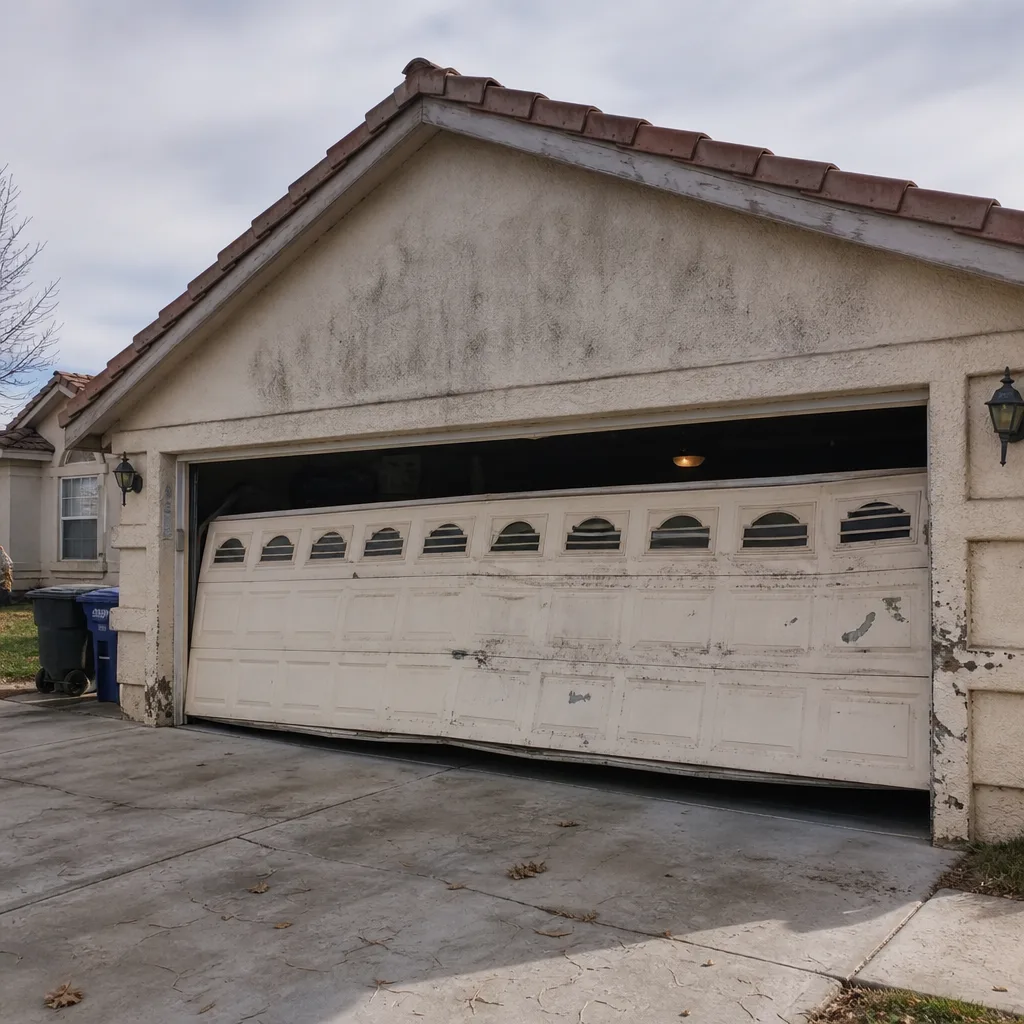 Before
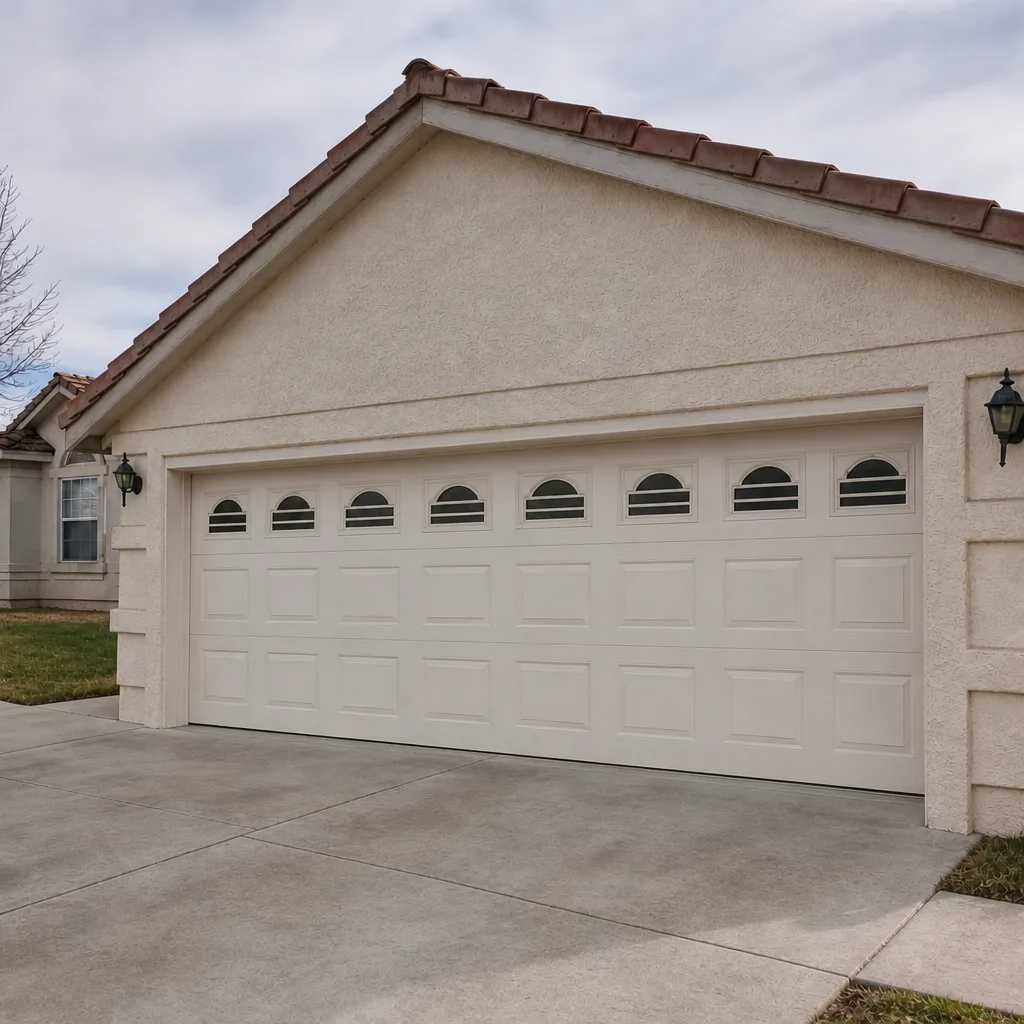 After
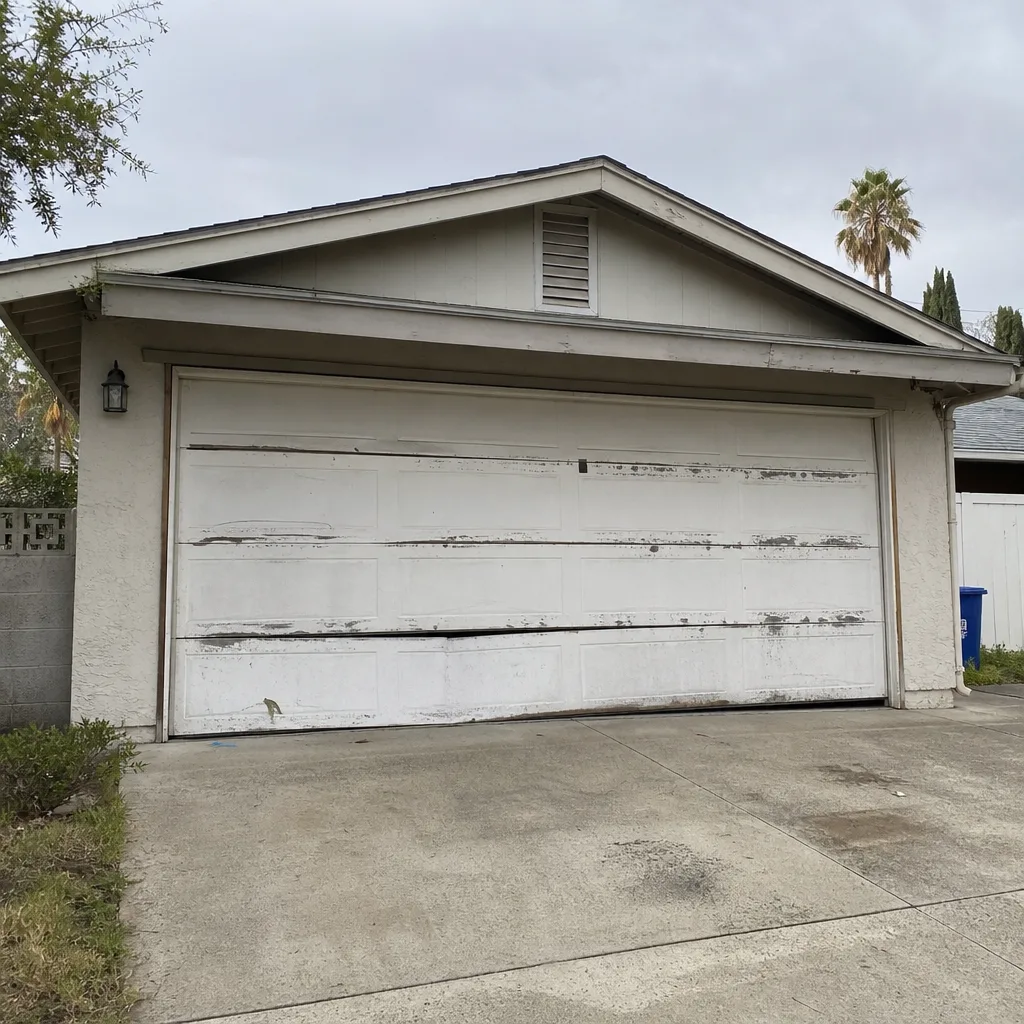 Before
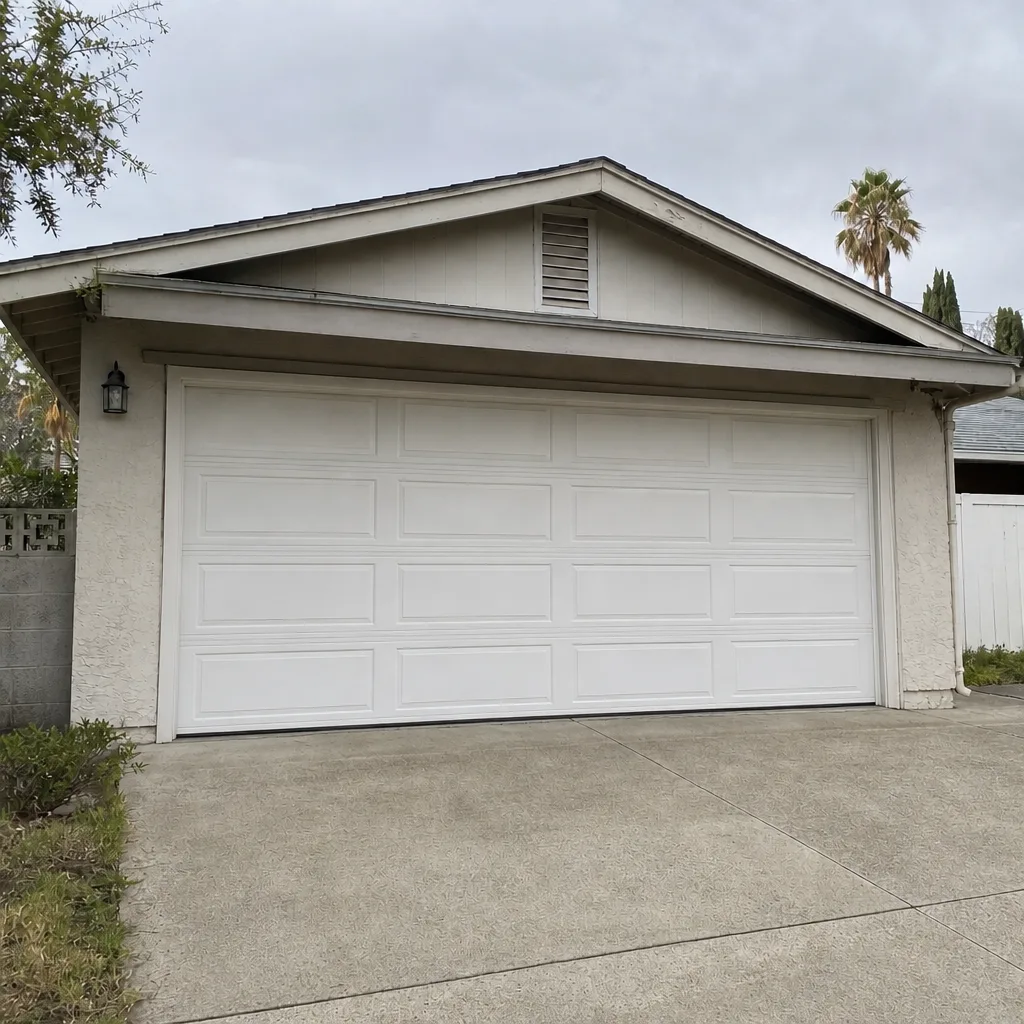 After
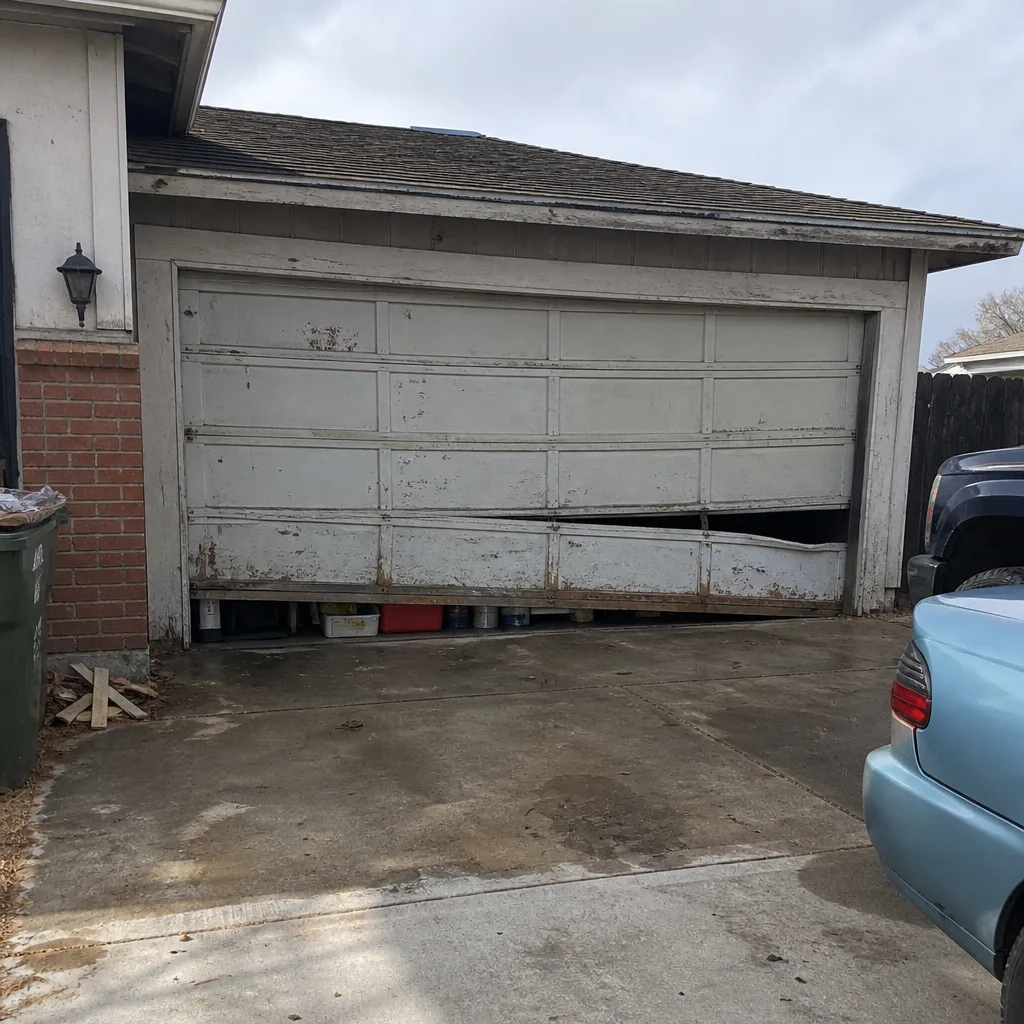 Before
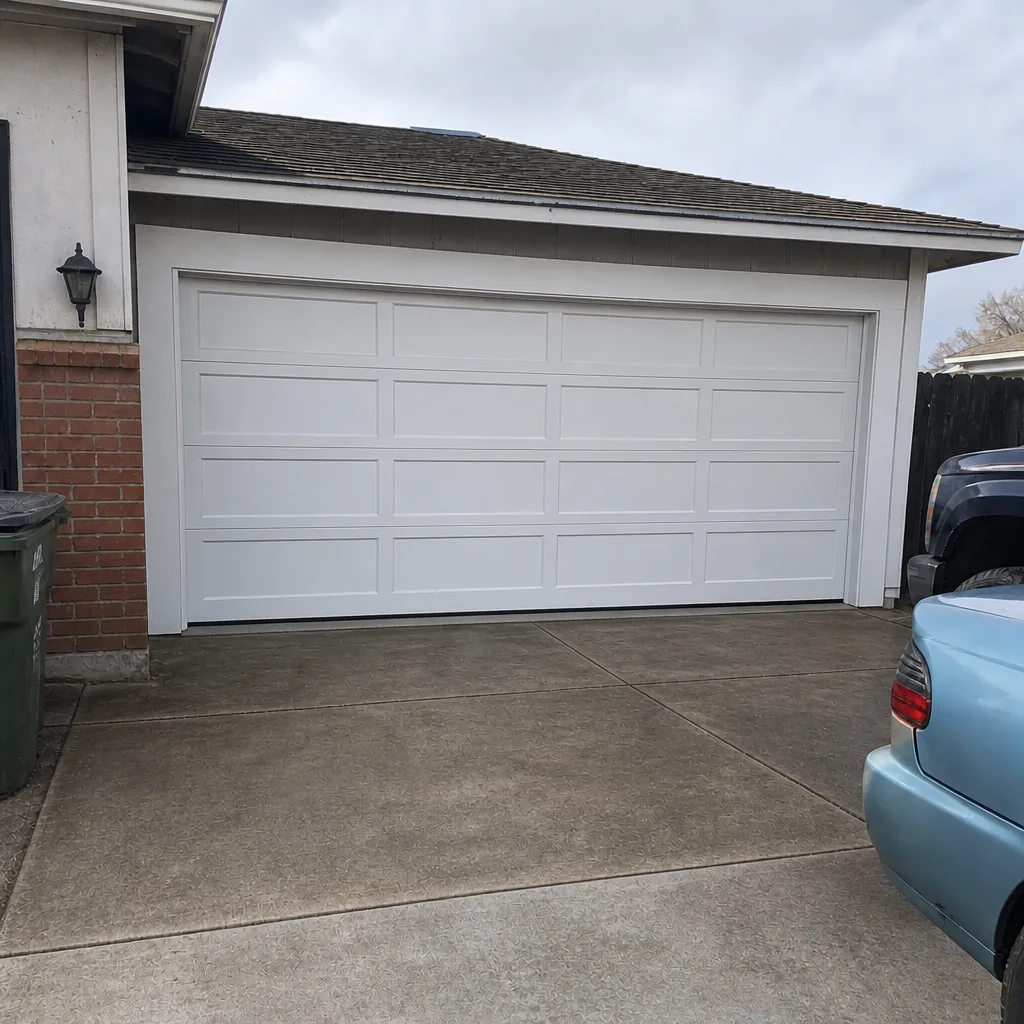 After